Online Reporter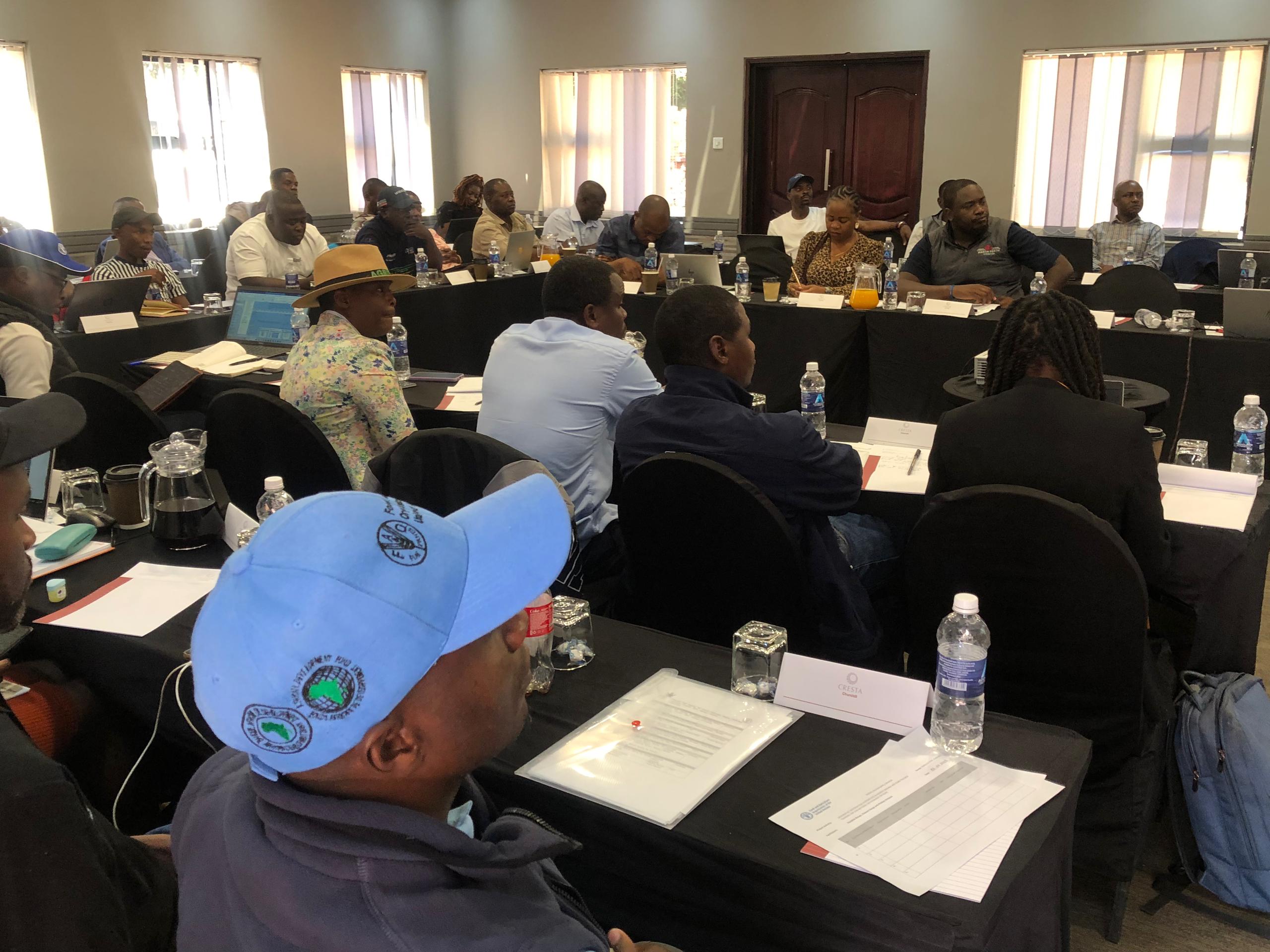
Nomalisa Gumpo
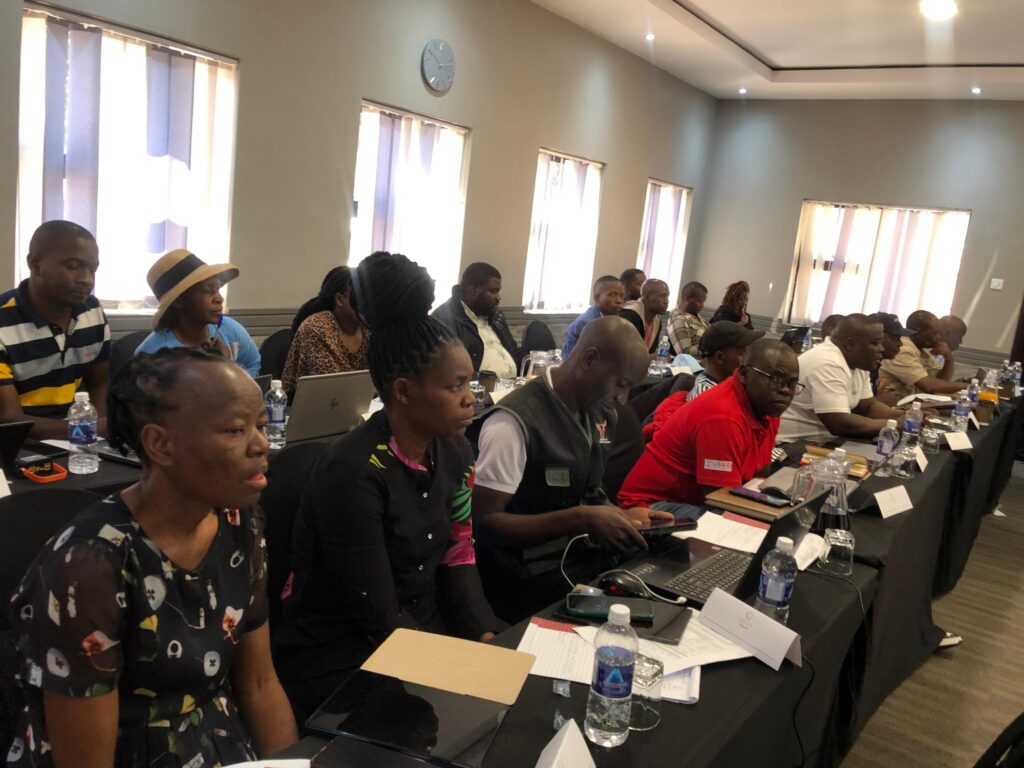
The Food and Agriculture Organisation (FAO) is conducting a 5-day training workshop for agricultural experts from Matabeleland South Province in Bulawayo, aimed at strengthening Zimbabwe’s disaster risk management systems.
The event that started on Monday, ending on Friday, is part of a national initiative that started in 2019 to introduce anticipatory action, a new approach to managing disasters that shifts from traditional emergency response to preventative action.
“This approach means we no longer wait for disasters to happen before acting. Instead, we use forecast-based information to put mechanisms in place to protect lives, assets, and livelihoods before hazards strike,” said a FAO representative.
By strengthening community preparedness to drought, livestock diseases and floods, FAO hopes to reduce the impacts of droughts, floods, crop pests, and livestock diseases.
The workshop has brought together frontline workers from seven districts in Matabeleland South, including officers from government departments and agricultural services, who work directly with farmers, monitoring livestock health, crop conditions, and pest outbreaks.
“They are being equipped with skills to collect and update accurate data on hazards affecting crops and livestock. This information will feed into the national disaster information management system, ensuring that responses are data-driven and timely,” the FAO representative said.
FAO said they selected Matabeleland South as most anticipatory action projects have been implemented in the province in past years, building on that experience, FAO hopes to demonstrate that data collection and use can be scaled up to other parts of the country.
“We are taking this as a starting point depending on the availability of funding, we hope to spread this initiative to other parts of the country,” the representative said.
end…