Online Reporter
Trust Khosa-Lifestyle Writer
Mourning the dead is no longer as sacred as it once was.
UNLIKE in the past when funerals were solemn occasions marked by a tense atmosphere as mourners gathered to bid their beloved farewell, trends are shifting and modern-day funerals are increasingly resembling fashion shows and grand celebrations of the deceased’s legacy.
This transformation reflects broader societal changes where personal expression and individuality take centre stage.
Families now often opt for vibrant themes, personalised tributes, and even live music, creating an environment that both honours the departed and celebrates their life.
The focus has shifted from mere mourning to a joyful remembrance, allowing attendees to share stories, laughter and memories in a way that feels more authentic to the deceased’s spirit.
As we navigate this evolving landscape, it’s essential to consider how these changes impact our collective understanding of grief and remembrance.
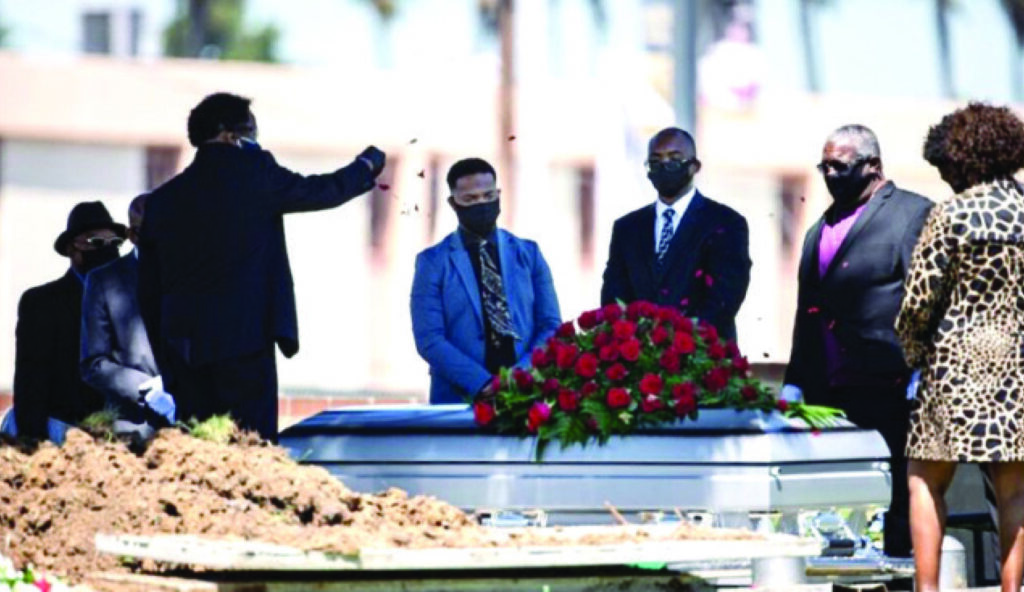
Nowadays families hold private funerals where only a select few attend the burial.
While some may view these modern practices as a departure from tradition, others see them as a necessary adaptation that makes the process of saying goodbye more relatable and reflective of the deceased’s personality.
Ultimately, this new approach to funerals invites us to rethink how we honour those who have passed on, blending sorrow with celebration in a way that resonates with contemporary values.
Experts interviewed by this publication noted that there have been significant changes in mourning the dead. Actress Patricia “Mai Jilimba” Musafare called for decency during these trying times.
“I have observed a change among mourners, where the deceased are now given unique send-offs. There are some people who are utilising funerals to showcase their fashion sense, and we can’t stop them from doing that because it is their choice. In the past, funerals were sacred and the atmosphere was tense. My only concern now is that people are no longer mourning the dead in the same way as in the past,” she stressed.
The veteran actress, family builder and counsellor emphasised that it is difficult to stop the changing times we find ourselves in.
“I deal with young people nowadays and assist them with counselling sessions, but the trends we are experiencing are quite shocking. It’s sad that when you attend a funeral with close relatives, you may be shocked by the way people are behaving and dressing.
Of course, people are now honouring the dead in different ways, but we need to observe decency and not make a mockery of ourselves,” she added.
Similar sentiments were echoed by Evangelist Tichaona Chipanera of the ZAOGA church in Dzivaresekwa, who also called for decency.
“I am quite aware that we are living in an era when many things have changed, but we cannot afford to abandon our traditions.
If you attend some funerals, you will be shocked by the kind of dressing you encounter. There are some people who want to hog the limelight at funerals, and you wonder why anyone would want to stand out when others are mourning the dead,” he remarked.
The evangelist urged modern-day mourners to show respect for the deceased. “Funerals often attract many people, including the elderly, who happen to be the custodians of our culture. Why would you want to embarrass yourself in front of the elderly? Why would you want to stand out at an event when others are mourning? If we can address these issues and others, we can easily make our world a better place to live,” he emphasised.
Popular soccer fanatic and Maungira Erumbidzo Choir member, Chris “Romario” Musekewa, who has attended several funerals with his group, noted that it is high time people should embrace change.
“With our choir, we have attended several funerals, including those of national figures who are buried at the National Heroes Acre, where trends in mourning the dead have changed.
“In my case, I don’t have a problem with people attending funerals donning expensive costumes and dresses because funerals should be a celebration of the deceased’s life. By wearing expensive outfits or making fashion statements, it is a clear sign that we are all going to die and be celebrated once,” he stated.

Some people hire decor specialists to adorn the funerals of their dear departed.
Musekiwa stressed that decency is necessary at funerals.
“The only thing I am calling for is decency. As long as you don’t offend your relatives or fellow mourners, they are free to dress as they wish.”
“We are all going to die one day, and we can’t afford to pretend as if we are going to live forever. On that note, I urge people to behave and dress the way they want, as long as they don’t offend others. We simply need to celebrate the dead and take time to honour the good things they did and their achievements.”
In addition to embracing change in attire, Musekiwa emphasised the importance of moral support during times of mourning.
He believes that sharing stories and memories of the deceased can help foster a sense of unity among mourners.
“When we come together to remember our loved ones, we create an environment where healing can begin. Celebrating their lives through shared experiences can make a significant difference for everyone involved.”
Ultimately, Musekiwa’s message is one of positivity and reflection.
He encourages people to focus on the legacy left behind by those who have passed.

Others choose to record or film funerals of their loved ones.
“Let us not dwell solely on the sadness of their departure but instead cherish the moments we had with them. This approach not only honours their memory but also reinforces the bonds we share with one another.”
In addition to respecting traditions, it is crucial for mourners to create an atmosphere that fosters genuine grief and reflection.
By honouring the deceased in a manner that aligns with cultural values, individuals can contribute to a more meaningful farewell.
This not only aids in the healing process for those left behind but also ensures that the legacy of the departed is remembered with dignity.
Furthermore, engaging in discussions about mourning practices can help bridge the gap between old and new traditions.
By valuing the insights of elders while allowing for some modern expressions of grief, society can foster an inclusive environment where everyone feels respected.
Such conversations can lead to a deeper understanding of what it means to mourn collectively, ultimately enriching the experience for all involved.
These are some of the areas that need urgent attention as we pay our last respects to the deceased. While change is inevitable, we must not forget our values and ensure that we give the departed a fitting send-off.
In times of loss, it is essential to honour the traditions that connect us to our loved ones.

A lady wearing a black mourning veil.
These rituals provide comfort not only to the bereaved but also to the community as a whole. By upholding these customs, we can create a sense of unity and support, allowing everyone to process their grief collectively.
Additionally, as we navigate through these changes, we should reflect on the legacy left behind by those who have passed.
Celebrating their lives and contributions can inspire us to carry their values forward. This remembrance fosters a deeper understanding of our shared humanity and encourages us to live in a way that honours their memory.