Online Reporter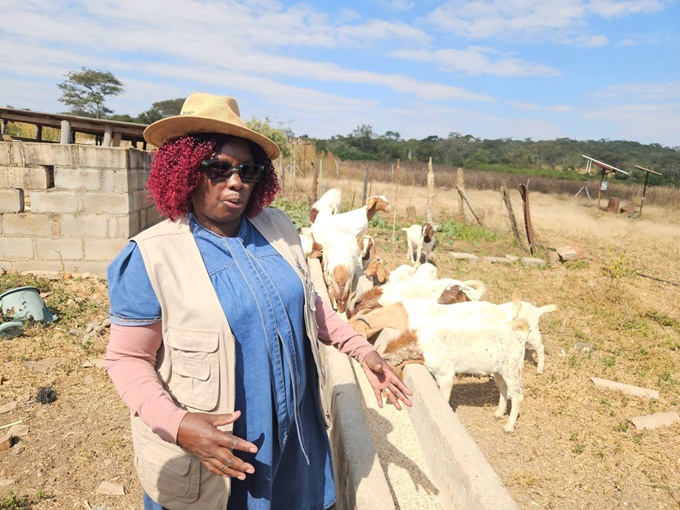
Judith Phiri, [email protected]
THE Ministry of Ministry of Agriculture, Mechanisation and Water Resources Development has called on farmers to start supplementary feeding immediately using silage, baled hay and urea-treated stover preserved from summer as winter grazing is now limited and of poor quality.
During winter there is lack of active pasture growth, which causes plants to lose their nutritional value, mature and dry out. This natural decline leads to high fibre levels, low protein and reduced digestibility.
Agricultural and Rural Development Advisory Services (ARDAS) Chief Director, Mrs Medlinah Magwenzi has urged farmers to act now to save livestock.
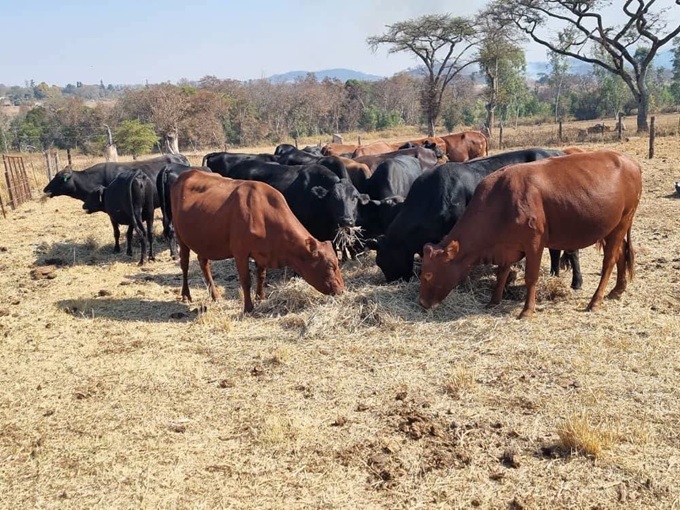
“Farmers must start supplementary feeding immediately using silage, baled hay, and urea-treated stover preserved from summer. We also urge farmers to secure clean water near feeding points to avoid weight loss, maintain dipping and vaccinations as well as breed according to climate through agro-ecological tailoring,” she said.
She said with Drought Mitigation Centres and Farmer Field Schools in every ward should assist teaching these methods to farmers.
Mrs Magwenzi warned that past droughts cost Zimbabwe many cattle and stressed the need to plan based on probability to grow herd numbers and keep food secure.
Urea-treated stover, a mixture of molasses, urea, salt, and crop residue from sources such as barley and maize, has significant nutritional value and is used as livestock feed, particularly during droughts.
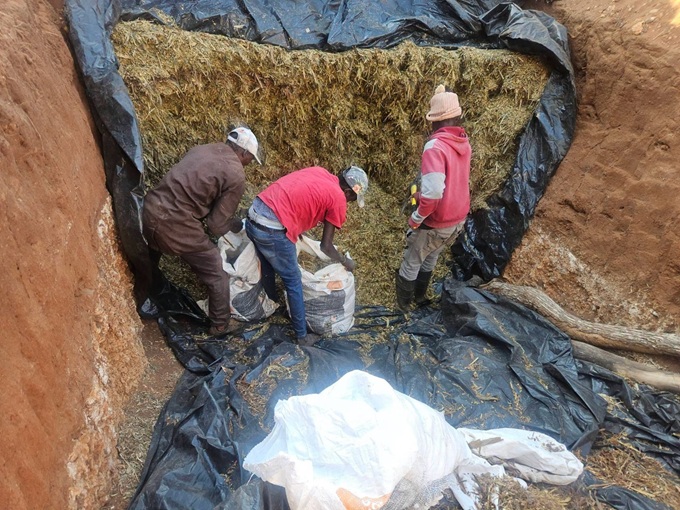
This innovative feed supplement is produced by treating crop residues, such as maize or sorghum stover, with urea, a process that enhances the nutritional profile of the feed. The treatment increases protein content, improves digestibility, and enhances palatability, making it suitable for ruminant animals like cattle, goats and sheep, especially during feed shortages.
Supplementing feed with urea-treated stover is a highly effective, cost-efficient strategy for Zimbabwean farmers to improve the protein content and digestibility of dry maize stalks, while it is a proven drought-mitigation solution.
While, most farmers did silage last season after benefitting from the Presidential Silage Inputs Scheme introduced to improve both the quality and availability of livestock feed.
By providing subsidised silage inputs, farmers are enabled to maintain consistent, nutritious feeding regimes for their herds and significantly boost milk production.