Online Reporter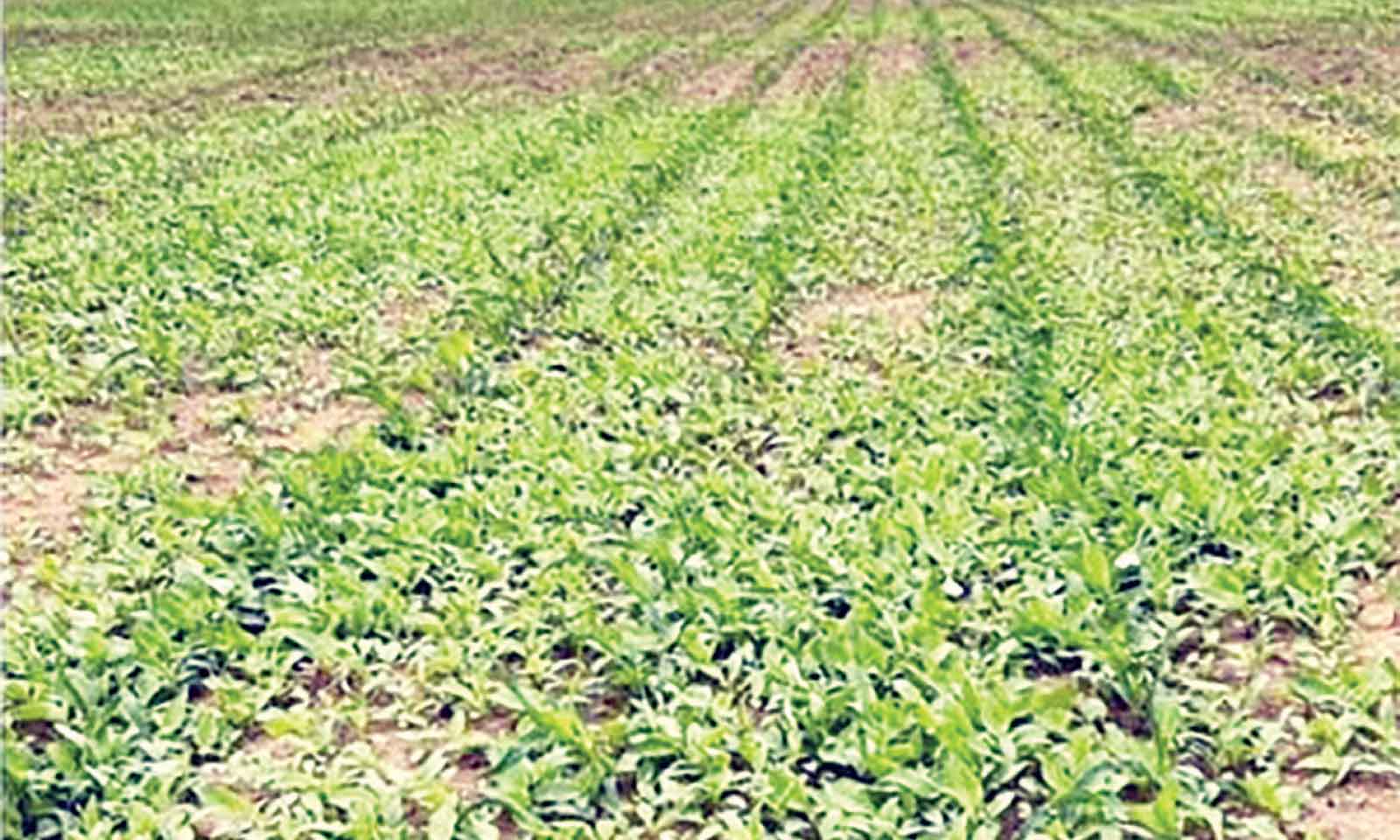
Obert Chifamba
Agri-Insight
BEYOND the immediate challenge of flooded fields and delayed planting, the heavy rains that have been pounding the country in recent weeks have a huge potential to create a long-term headache for agriculture.
While the moisture that the rains bring is very welcome for crops, it can easily be the farmer’s biggest let-down when it creates conditions ideal for weed explosions.
Weeds that germinate under conditions of incessant rains naturally have this tendency of outgrowing the crop thereby posing a huge threat to yields that can easily translate into extensive economic losses.
On the one hand, this kind of unchecked growth of weeds has been known to cause herbicide resistance, alter soil composition and effect a serious shift in the balance of the agricultural ecosystems.
At the moment, the message in loud and clear. Farmers only have one option and that option is to make sure they contain all forms of weed activity that might have been torched by the heavy rains.
Farmers need to appreciate the fact that weeds thrive in wet conditions. Moreover, the current combination of saturated soils, disturbed ground, and warmth forms the perfect storm for weed germination and rapid spread.
And with the heavy rains becoming increasingly frequent, farmers may need to adapt various strategies to combat this growing threat to their livelihoods and the nation’s push to achieve food security through successful crop yields.
It is important for farmers to appreciate that the threat posed by weeds is multifaceted, primarily impacting food security, agricultural productivity, and the natural environment.
Weeds cause substantial yield losses (ranging from 30 percent to total crop failure in severe cases) and increase the economic burden on farmers and the national economy.
Agricultural experts content annual yield losses in maize as a result of weed problems can reach 50 percent or more. They go on to suggest that crops must always have a good head start against weeds and hence must be weed free for the first 10 weeks, especially for the maize crop cycle.
If a farmer fails to control weeds in the first five weeks of a maize cycle, then 50 percent of the yield could be lost while the farmer’s failure to control Shamva grass (Rottboellia cochinchinensis) throughout the maize crop cycle may lead to between 57 and 80 percent yield losses.
This piece of expert advice should guide farmers’ ways of dealing with the problem of weeds fully knowing that any let-up can have disastrous consequences on yields and ultimately, food security.
One mistake farmers should never make is to give weeds room to bear seed and grow to maturity. If this happens, then it means weeds have adequate seed stocks for future seasons. This naturally creates future weed management problems.
It does not require rocket science for farmers to appreciate the fact that weeds compete directly with staple crops like maize, sorghum, and legumes for essential resources such as sunlight, water, and soil nutrients.
This competition comes with dire effects on the crops especially during the critical early growth stages.
This is the stage during which the potential of most crops to grow competitively and produce good yields is determined. There are some weed classes that are very aggressive in nature and can cause massive reductions in yields.
Weeds like Shamva grass (Rottboellia cochinchinensis) are notorious for their destructive effects, causing yield losses ranging between 57 and 80 percent in maize.
There is also the parasitic Striga weed (witchweed) that can cause yield loss stretching between 20 and 100 percent in cereal crops like maize and sorghum.
Coming at a time like now when all national efforts are trained on attaining food security and building the national strategic grain reserves, this kind of losses will directly ruin all the efforts and resources invested towards achieving the food security goal.
It will also dent the national push towards the attainment of Vision 2030, which means that farmers have to ensure they play their part effectively given that food security is one of the pillars on which the vision for an upper middle income economy is being built. There cannot be an upper middle income society when there is food insecurity.
The other interesting observation is that weeds do not bring just one problem for the farmer – they also provide shelters for pests and diseases that can attack crops and contribute to yield losses as well.
They will effectively serve as breeding grounds for various crop pests and diseases, which gives birth to continuous cycles of infestation thereby neutralising the efficacy of crop rotations and disease management strategies as control tools.
Heavy weed infestations are also known to make manual weeding quite laborious and expensive, especially during the hot, wet summer months. They can also clog implements, making it very difficult to operate machinery for processes like harvesting and tends to increase the cost of production.
Usually, these constant battles against weeds will require the farmer to invest significantly in control methods, including manual labour, the purchase of herbicides, and machinery. This inevitably drives up the overall cost of production that the farmer will have to contend with in the end.
There is also the looming risk of some weeds, for instance, Datura stramonium and Lantana camara, poisoning livestock if eaten alongside crop residues and triggering health issues and economic losses for farmers. It is clear that the problem of weeds does not only cause crop losses but can also affect livestock if not managed properly.
It is not uncommon for some farmers to eventually abandon their pieces of land because they would have been infested with severe and unmanageable weed problems, particularly with parasitic weeds like the Striga species.
This unfortunately transfers pressure to other fields that may be less infested, which translates into a loss of livelihoods.
The most damning eventuality is when weed seeds or plant parts get mixed up in harvested crops, which reduces the quality and market value of the produce.
Sometimes immature weeds can interfere with harvesting operations with weed seeds in harvested crops causing what is called ‘dockage’ and increasing the risk of spoilage.
This can reduce crop value, or increase shipping costs especially where produce has to be sent to various destinations or exported.
Weeds that grow in pastures are generally those that are less palatable to livestock. These increase with grazing, because animals often deliberately avoid them for the more palatable plants. Over time, this reduces range productivity for livestock.
Aggressive weeds such as smooth brome or purple loosestrife can compete fiercely with native vegetation and even replace it in some cases.
Managing the weed threat therefore requires an integrated approach to protect both crops and livestock and make sure future agricultural activities are done sustainably.



 Bongani Ndlovu