Farirai Machivenyika
Senior Reporter
ZIMBABWE’S mineral export earnings are expected to surpass US$11 billion by year-end, following a sharp increase in revenue during the first nine months of 2026, as the mining sector consolidates its position as a major contributor to the national economy.
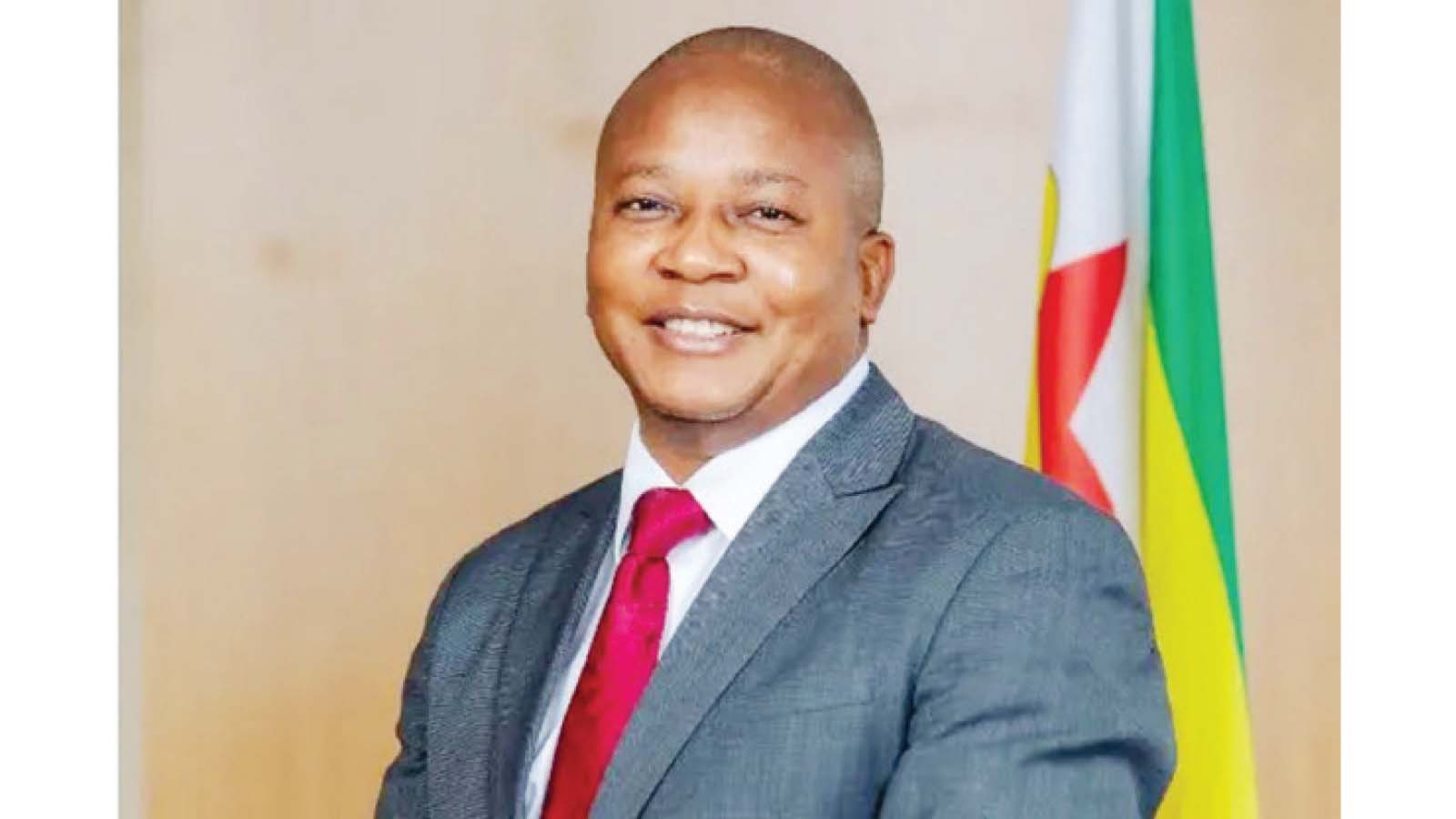
Mines and Mining Development Minister Dr Polite Kambamura told Parliament’s ongoing pre-Budget seminar in Bulawayo on Thursday that mineral export revenue had reached US$9,93 billion between January and September, almost doubling the US$5 billion recorded during the same period last year.
“Our export revenue shot up to US$9,93 billion for the period between January to September compared to US$5 billion during the same period last year,” he said.
“We are currently north of US$11 billion come December 2026.”
The strong export performance comes as the country pushes to maximise value from its mineral resources through increased production, investment in beneficiation and expansion of mining operations.
Gold deliveries to Fidelity Gold Refinery also rose to 35,9 tonnes during the nine months, strengthening the country’s foreign currency reserves and supporting the backing of the ZiG currency.
The gold production target for the year is 50 tonnes.
Dr Kambamura said Finance Minister Professor Mthuli Ncube had highlighted the growth in gold and other foreign reserves during his presentation to the seminar on Wednesday.
“ . . . the Minister of Finance, Professor Mthuli Ncube, in his presentation noted that gold reserves and other foreign reserves which back our ZiG currency had gone up,” he said.
Dr Kambamura also outlined major investments and milestones recorded in the mining and energy sectors, including the signing of a 25-year mining lease with Karo Platinum.
The project is expected to employ more than 2 000 people at inception and has a projected lifespan of 50 years, providing long-term opportunities for employment and economic activity.
Another milestone was the construction of Africa’s first lithium sulphate plant by Prospect Lithium in Goromonzi, marking progress in the country’s drive to beneficiate its mineral resources locally.
“This year again we managed to have Prospect Lithium build the first lithium sulphate plant in Africa. This was done in Goromonzi, which is a signature project of the Second Republic,” he said.
The minister also highlighted the signing of a petroleum production-sharing agreement between Government and Invictus Energy, paving the way for the development of oil and gas resources in the Muzarabani area.
However, Dr Kambamura said inadequate funding and operational constraints continued to limit the ministry’s capacity to effectively monitor and develop the mining sector.
He said the ministry had submitted a budget bid of ZiG1,8 billion, but Treasury had allocated it a ceiling of ZiG899 million.
The challenges include limited budget releases, inadequate funding for daily operations, shortages of vehicles and maintenance resources, insufficient technical personnel and a lack of essential equipment.
Environmental monitoring was another area requiring additional resources to strengthen oversight of mining activities.
To address the funding constraints, Dr Kambamura proposed that Treasury allow the ministry to retain at least 10 percent of the revenue it generates to support its operations and improve service delivery.