Online Reporter
Judith Phiri, Zimpapers Business Hub
OVER three million hay bales have been produced by farmers as part of a raft of measures to cushion and supplement livestock feed during the lean season.
In Zimbabwe, winter, which typically begins in May, can pose challenges for livestock.
Cattle, for instance, need to acclimatise to the lower temperatures and increased energy demands.
During this time, farmers must ensure adequate nutrition and protection from the harsh weather elements to maintain animal health and productivity.
The livestock lean season is a period of critical feed and water scarcity for cattle, typically occurring during the dry season (May to November) as well as the spring and early summer season (September to November).
These periods are characterised by reduced pasture quality and availability, leading to livestock weight loss and potential mortality if not managed properly.
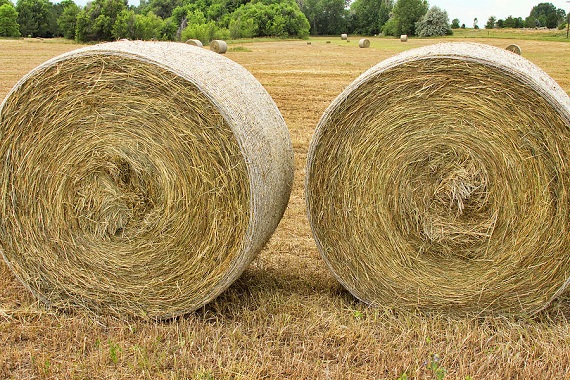
In an interview, the Agricultural and Rural Development Advisory Services acting chief director, Mr Leonard Munamati, encouraged farmers to continue with hay baling.
“We are now again in the season where we need to take care of our livestock following the drought which we experienced last season. We do not want to lose any livestock from a lack of feed this year, so we are encouraging farmers to do hay baling.
“Currently, farmers in various sectors have produced over 3,5 million hay bales and we are encouraging more farmers to cut grass and bale it. We want to encourage them to also practice other ways of providing feed to the livestock,” he said.
“We have been training our extension officers and leading farmers to do urea treatment of stover to increase the protein content of the stover that would have been harvested.
“So, farmers should do that at various scales so that they are able to give it to their livestock and improve their condition.”
He said farmers and communities were encouraged not to burn grass, with the fire season about to start.
Mr Munamati said all farmers should cut the grass rather than burning it.
“They can cut grass around their wheat fields, along the roads, and anywhere in the veld to make sure that their livestock get enough feed during this lean season,” he added.
He said some farmers have maize stocks which they keep for feeding their livestock and it should be put to good use at the right time.
Mr Munamati said farmers should also use wheat straw when they harvest their wheat.
“It is the responsibility of every farmer to provide enough feed for their livestock, to make sure that the livestock are getting enough water for drinking, and to make sure that the cattle are getting dipped adequately as per the recommendation by the Department of Veterinary Services.”
Livestock experts say animals need to be fed appropriately during winter. They also say that it is important to keep an eye on how much is given to the smaller and weaker animals, particularly those that are about to give birth.
Proper winter nutrition and environmental control are said to also contribute to preserving livestock’s internal body temperature and keeping them warm, while when it is chilly, livestock feed demand increases by as much as 20 percent.