Chronicle Editor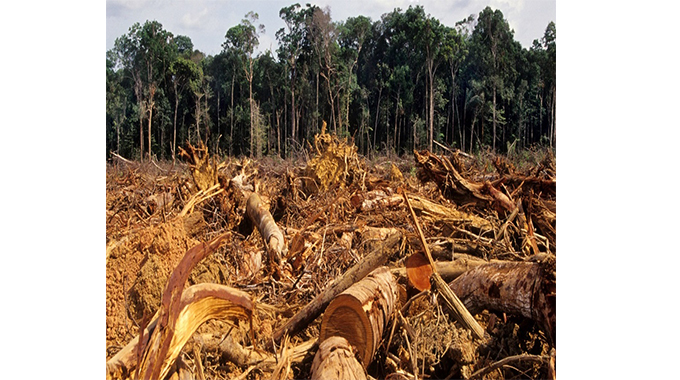
Sukulwenkosi Dube-Matutu, [email protected]
FARMERS operating at communal irrigation schemes are appealing for assistance from authorities to mitigate harmful environmental practices, saying they were affecting their operations.
The farmers said illegal panning activities along rivers, stream bank cultivation, sand poaching, and cutting down of trees among other harmful practices are rampant in their areas.
Speaking during a recent climate indaba in Gwanda, which was organised by the Zimbabwe Environmental Law Association (Zela), Mr Mandla Thwala, a local farmer, said sand poaching is a cause for concern in their area.
He said trucks are transporting river sand from their area to Gwanda Town on a daily basis.
“These people that are poaching sand are digging anywhere they want and this has caused serious land degradation. Gullies have been formed in areas where we do our farming, and these gullies are also a threat to animals and even humans,” said Mr Thwala.
“Some trees have become extinct in our area and dams are silted because of practices that harm the environment.”
Mr Thwala said sand poachers are also damaging access roads, making it difficult for vehicles to reach them, especially during the rainy season.
He said there is a need to impose hefty fines on culprits.
“There is a need for communities to be educated more on protecting their environment as some do not understand the impact of their actions on their livelihoods,” he said.
Ms Simangaliso Ndlovu from Ward 3 said trees are being cut down in her area.
She said there is a lot of stream bank cultivation and illegal panning.
“Our neighbours from Insiza are practising stream bank cultivation along Umzingwane River and they also cross the river and cut trees that are on our side. The river is our major water source, but it has been severely affected because of these illegal operations,” said Ms Ndlovu.
“We have little water flowing along the river now because it has been compromised. Illegal miners are also panning along the river and they are contaminating the water as they process their ore along the river.”
Ms Ndlovu said the water that they now drink is unclean.
“When we try to engage these people who are damaging our environment they become violent while others tell us off.
“We need relevant authorities to do something on the ground as they have the power to bring these culprits to book,” she said.
Mr Forget Nyathi from Ward 18 said as farmers they are feeling the impact of climate change. He said schools have been damaged, dams have become silted and there is less vegetation.
Mr Nyathi said they need to be equipped with more strategies to cope with these changes.
Zela in partnership with the Swedish Development Agency conducted a two-day climate change indaba on Thursday and Friday last week where irrigation farmers met with various partners which included Agritex, Forestry Commission, Environmental Management Agency, Gwanda Rural District Council, ZRP, Ministry of Health and Child Care and the Zimbabwe National Water Authority (Zinwa).
Zela programmes manager, Ms Nyaradzo Mutonhori said the main purpose of the climate indaba was to bring together various stakeholders involved in climate action.
“We have brought together key sectors involved in mitigating the effects of climate change to have a dialogue with end users, in particular irrigation farmers and community leaders,” she said.
Ms Mutonhori said for them to push for the implementation of specific policies on issues around climate change such as the National Climate Policy and the National Climate Change Response Strategy, they require a multi actor partnership.
“We are assessing the level of implementation of those policies at a local level in Gwanda District. This engagement will also help to identify some of the challenges and proffer solutions in order to contribute to the country reaching its targets in terms of climate change mitigation,” she said.
Ms Mutonhori said issues that will be gathered during the indaba will also inform policy review and policy reform processes. — @DubeMatutu


 Online Reporter