Online Reporter
Amos Mpofu in Tsholotsho
FARMERS in Zimbabwe’s drought-prone agricultural regions have been urged to consider using organic liquid fertilisers as the country prepares for what has been described as a potentially severe Super El Niño-induced drought during the coming cropping season.
The call was made by Millionaire Fast Lane Investments director and established young farmer from Umguza District, Matabeleland North, Mr Perington Ndlovu, at the Tsholotsho Good Food and Seed Festival underway at Tada Hall, Tsholotsho Centre.
Mr Ndlovu said farmers needed to adopt farming technologies and inputs that could help crops withstand difficult weather conditions, particularly where rainfall was expected to be limited.
“With the Super El Niño drought predicted ahead of us, such fertilisers are becoming a necessity for farmers operating in these difficult climatic conditions,” said Ndlovu.
He said farmers should consider Nutriplant organic fertilisers, which he described as liquid fertilisers containing a wide range of nutrients aimed at supporting crop growth and improving the ability of crops to cope with drought conditions.
“There are recently established liquid fertilisers known as Nutriplant organic fertilisers, which are now found in almost 20 African countries, including Zimbabwe and many other countries worldwide. They have been approved by these countries’ Ministries of Agriculture as appropriate for different climatic conditions, including the kind of challenging conditions we are expecting with the Super El Niño drought,” he said.
“We advise fellow farmers to look for these fertilisers and make use of them where appropriate.”
According to him, Nutriplant organic fertilisers contain multiple small molecules of amino acids, peptides and chelates, together with trace elements, which he said provide a form of natural nutrition for plants.
He added that the products were non-poisonous and non-toxic, and were considered safe for the environment when used appropriately.
“The fertilisers are known for containing multiple small molecules of amino acids, peptides and chelates, together with their chelates and trace elements. This provides a kind of natural nutrition for plants,” Ndlovu said.
“They are non-poisonous, non-toxic and have also been approved as safe for the environment, including the soil which produces crops and provides them with various nutrients.”
Ndlovu said the fertilisers could play an important role in improving the overall health and performance of crops, particularly for farmers facing water shortages.
He said the products had been associated with promoting the development of plant roots, stems and leaves, while also helping to improve the quality of harvestable produce.
“The fertilisers have been approved as being good at promoting the growth of plant roots, stems and leaves, improving the quality of harvestable produce significantly and enhancing the drought resistance of crops,” he said.
He further said the fertilisers could help crops withstand infertility, diseases and insect pests, while supporting faster and stronger seed germination.
“They also help seeds to germinate faster and stronger when farmers soak their seeds in it before planting, improve soil structure and, overall, enhance the biological activity of the soil,” Ndlovu said.
Mr Ndlovu said that, with Zimbabwe’s agricultural sector heavily dependent on seasonal rainfall, farmers were increasingly being encouraged to explore technologies and agricultural inputs that could help them manage climate-related risks.
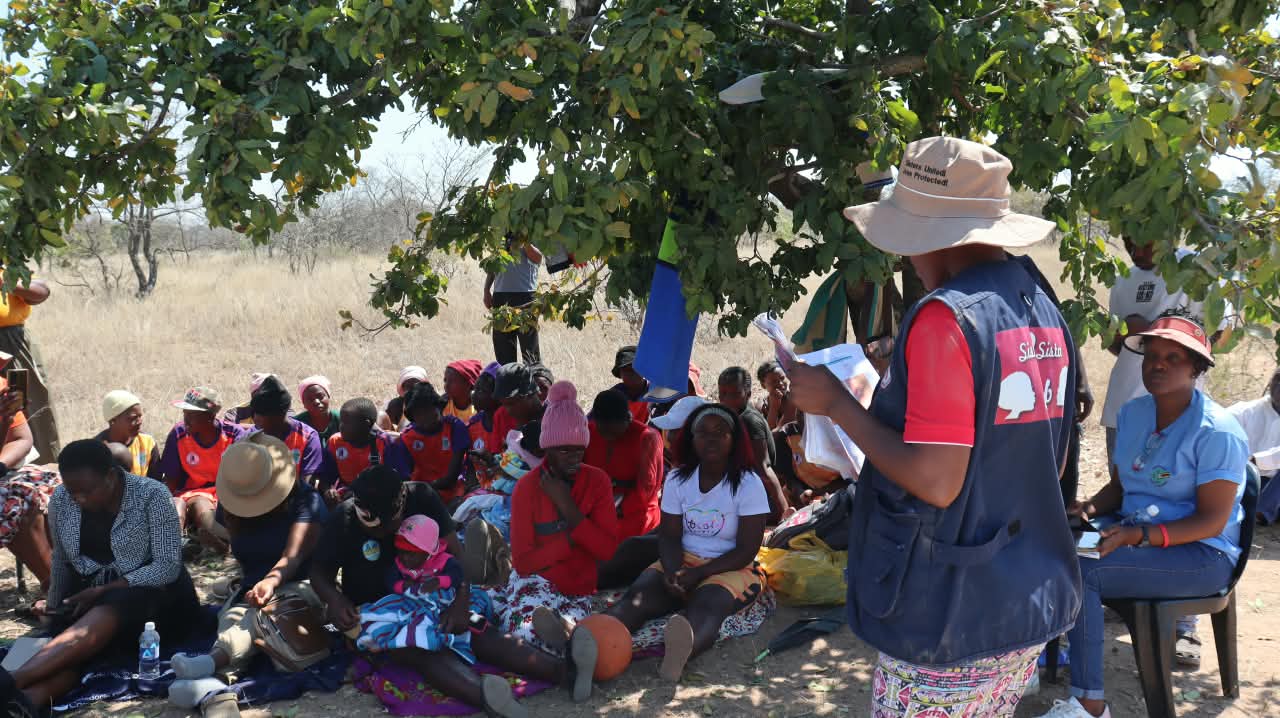
The third edition of the Tsholotsho Good Food and Seed Festival is expected to provide a platform for farmers and other agricultural stakeholders to exchange information on food production, seed conservation and farming practices as they prepare for the coming agricultural season.
Mr Ndlovu said farmers should therefore remain proactive and consider available technologies that could help protect their crops and improve production under challenging climatic conditions.