Theseus Mauruki Shambare
LIVESTOCK farmers have been urged to stock enough feed to sustain their animals for at least two years as Zimbabwe braces for the forecast 2026/27 El Niño, which could severely affect pastures and water supplies.
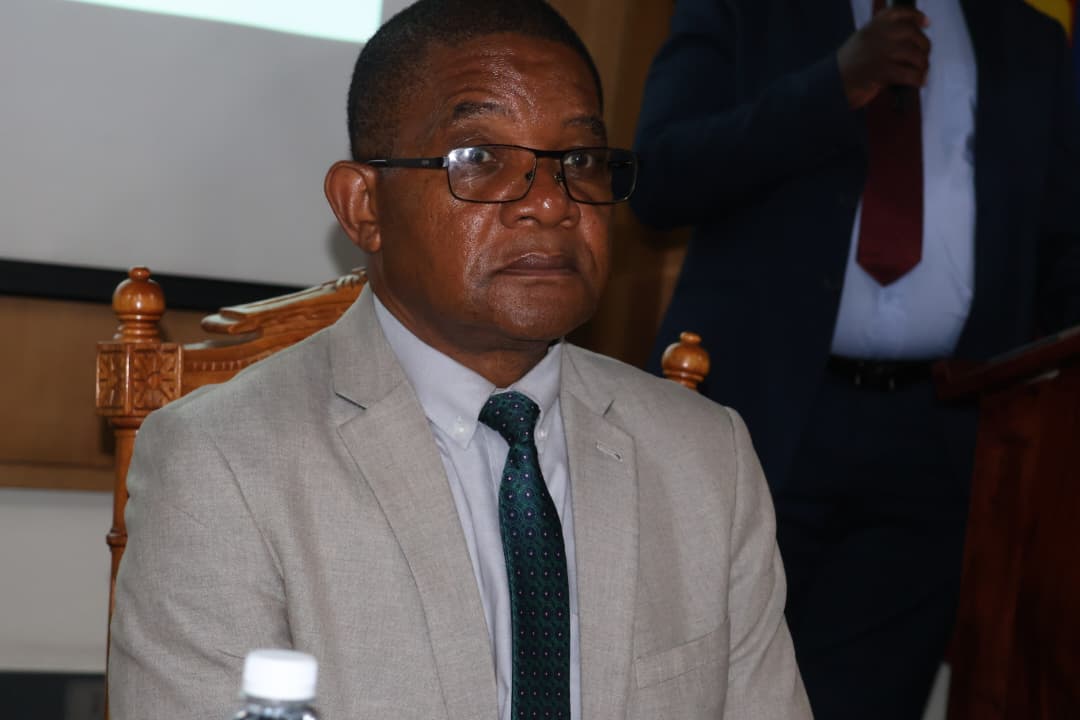
Chief Director of the Directorate of Research, Education and Specialist Services (DRESS), Dr Dumisani Kutywayo, said the anticipated hotter and drier conditions required farmers to take early measures to protect livestock from feed shortages and declining productivity.
Addressing the DRESS Programme 2 and 3 second quarter review meeting in Harare today, Dr Kutywayo said livestock protection and pasture management should be among the key priorities for the remainder of the year.
“Farmers are being urged to stock sufficient feed reserves to last at least two years,” he said.
Dr Kutywayo said DRESS should prioritise making pasture seed available to support fodder production as part of efforts to strengthen livestock resilience ahead of the predicted El Niño.
He said the directorate should also promote locally adapted livestock breeds, including Mashona, Boran, Tuli and Nguni cattle, which are better suited to withstand heat and moisture stress.
The Government is also seeking to strengthen the conservation and multiplication of indigenous livestock breeds, including indigenous chickens and goats.
Dr Kutywayo said such breeds had demonstrated resilience under harsh conditions and should therefore be multiplied and made available to farmers.
The warning comes as Zimbabwe faces the prospect of another drought after the devastating 2023/24 agricultural season, which resulted in significant livestock losses across the country.
Dr Kutywayo said Zimbabwe could not afford to repeat the losses experienced during previous El Niño-induced droughts.
“During the 1991/1992 El Niño more than one million cattle reportedly died.
“During the 2023/2024 drought over 40 000 cattle deaths were recorded. We cannot afford to repeat these losses,” he said.
He said the forecast El Niño should be treated as an immediate threat to national food security and agricultural livelihoods rather than a distant weather event.
Dr Kutywayo said hotter and drier conditions could reduce pasture availability, water supplies and livestock productivity, making early preparedness critical.
The livestock preparedness measures form part of Government’s broader agricultural preparedness framework, which seeks to shift the country from reactive drought relief towards proactive climate resilience.
Dr Kutywayo also called for stronger early warning systems to help farmers and authorities respond to emerging threats, saying the forecast El Niño could exacerbate pest and disease pressures.
He said the remaining early warning systems should be completed in targeted areas while regulatory enforcement should be sustained to protect farmers from substandard agricultural inputs during a period of heightened vulnerability.
The Government is also encouraging greater adoption of drought-tolerant traditional grains and early-maturing crop varieties in drier regions as part of efforts to reduce the impact of possible moisture stress.
Dr Kutywayo said partnerships with development agencies and international organisations should also be strengthened to support anticipatory action, including the pre-positioning of drought-tolerant seed and inputs, protection of livestock-based livelihoods, water harvesting and irrigation.
He said the coming months should be used to move from discussions to decisive action, with research, education and specialist services playing a central role in preparing farmers for climate shocks.
The preparations come as Zimbabwe seeks to safeguard livestock production and household livelihoods against another potentially severe drought, with farmers being encouraged to act before pasture and water shortages become critical.