Theseus Mauruki Shambare in CHIPINGE
VILLAGERS benefiting from irrigation schemes have been urged to move away from donor dependence and take responsibility for turning infrastructure investments into increased agricultural production and sustainable livelihoods.
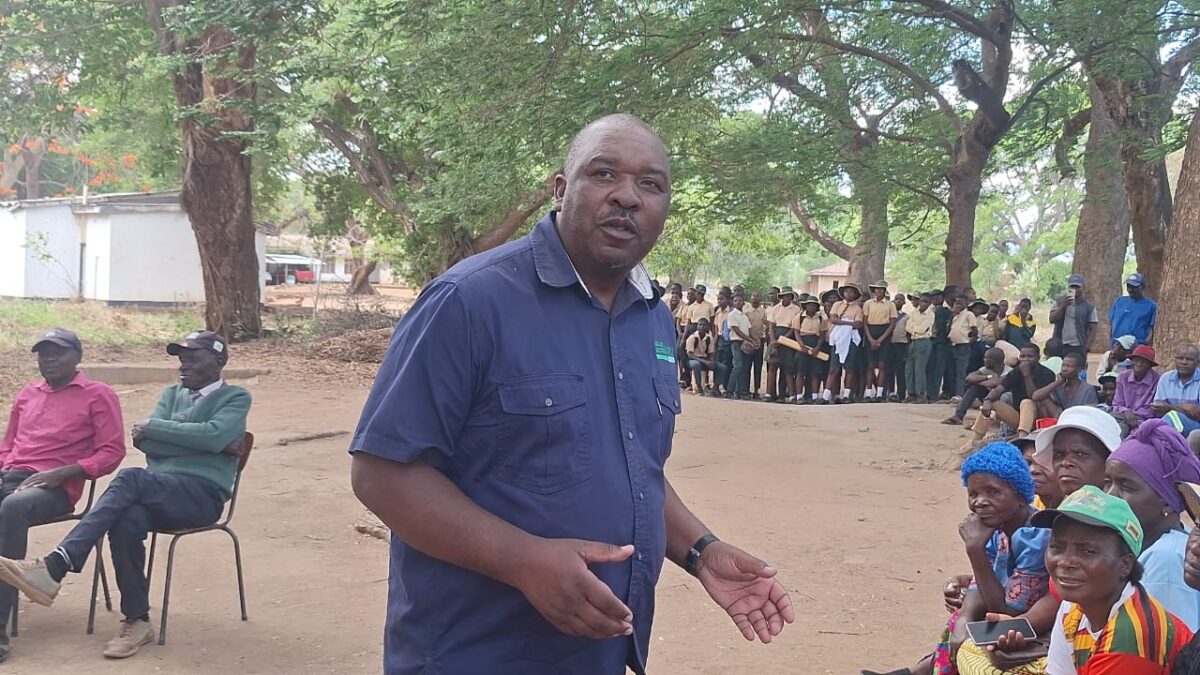
The call was made by Manicaland Director of Economic Affairs and Investment Promotion Munyaradzi Rubaya, who was representing Minister of State for Provincial Affairs and Devolution Advocate Misheck Mugadza during the rehabilitation of Mutema Irrigation Scheme in Chipinge.
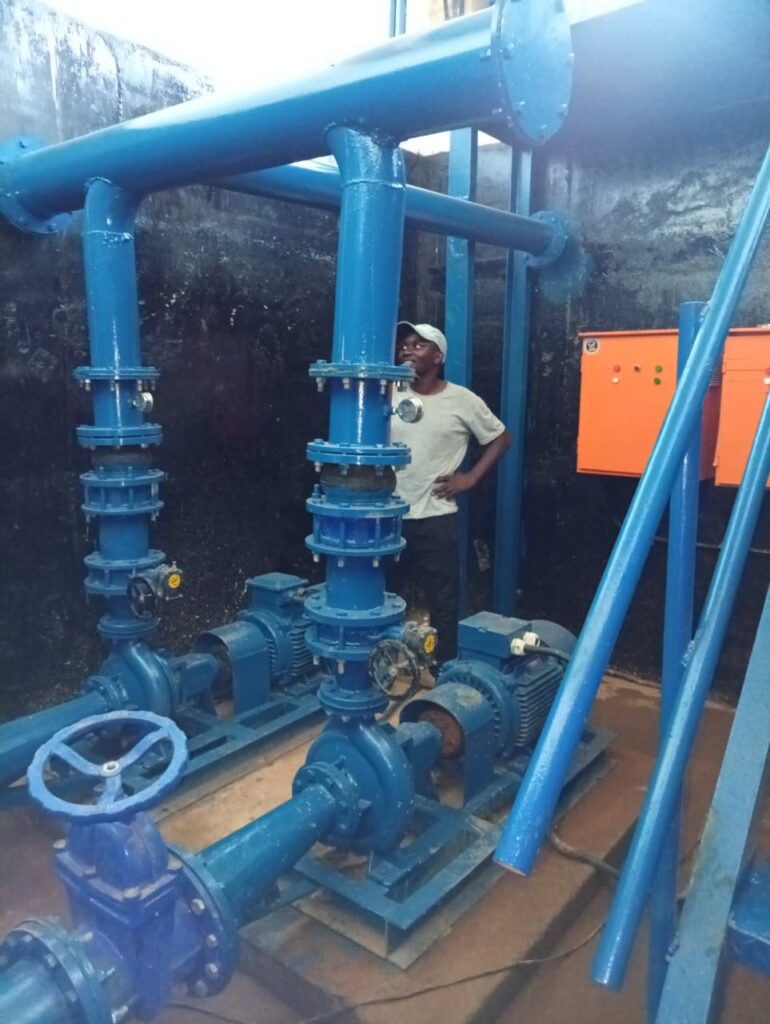
The development is part of an irrigation rehabilitation drive being spearheaded by the Agricultural Marketing Authority (AMA), using resources mobilised through a three percent levy on certain imported agricultural products under Statutory Instrument 87 of 2025.
The initiative seeks to revive non-functional irrigation schemes, expand agricultural production and strengthen national food security amid increasingly unpredictable rainfall patterns.
Rubaya said Government was investing in irrigation infrastructure to strengthen food security and improve rural livelihoods, but communities needed to demonstrate a corresponding commitment to production.
“Farmers in irrigation schemes must move away from donor dependence syndrome and utilise the investment put in their communities to ensure the vision by the Government is realised.
“Equipment without the people’s will to produce is a wasted investment. It is a wasted resource,” he said.
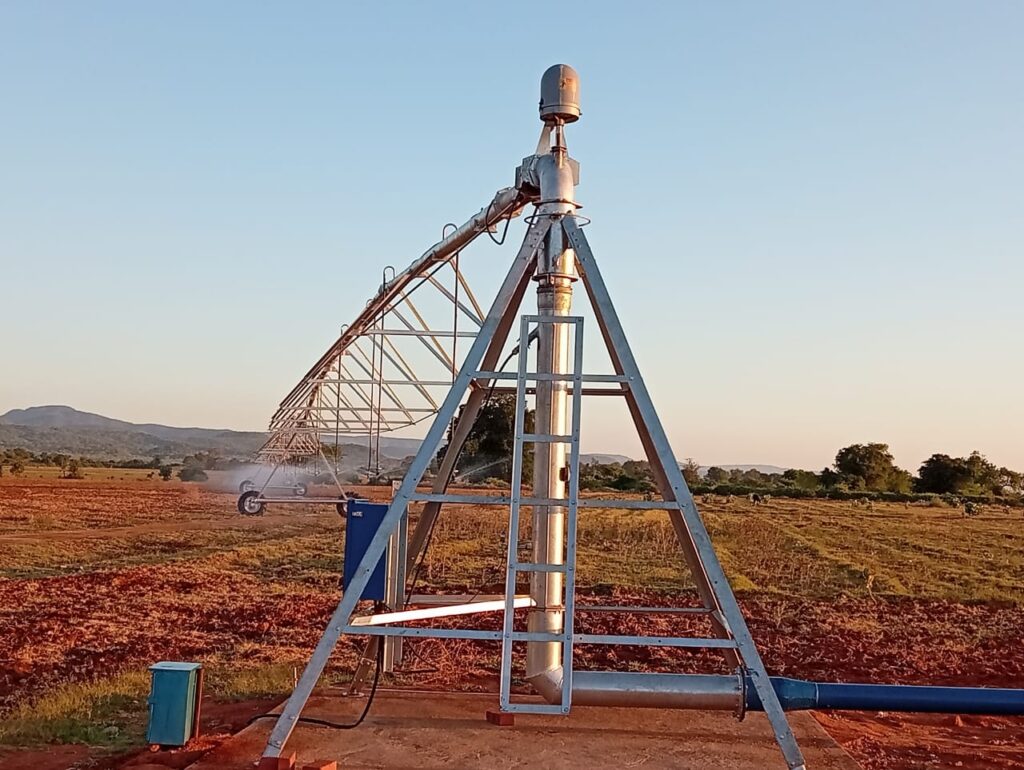
At Mutema, the rehabilitation of Block One is restoring irrigation potential across 90 hectares, benefiting 140 households.
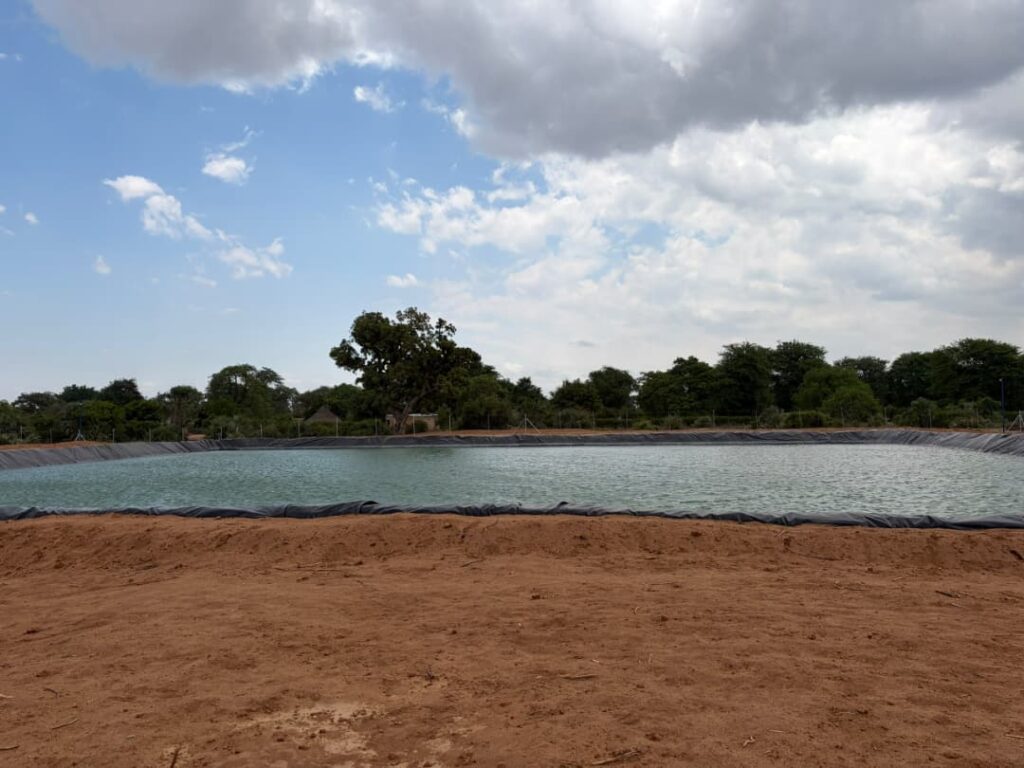
The project includes centre pivots covering 50 hectares, while conventional sprinkler systems will service the remaining 40 hectares. An overnight storage dam has also been constructed to support irrigation operations.
The development is expected to enable farmers to produce approximately 540 tonnes of maize at a projected yield of six tonnes per hectare.
Rubaya said revenue collected through the three percent levy was being channelled towards constructing new irrigation schemes and rehabilitating those that were no longer functional.
Beyond maize production, farmers are expected to diversify into wheat and sorghum during subsequent production cycles.
Rubaya said irrigation was increasingly important in cushioning communities against unreliable rainfall, with water reserves accumulated during good seasons helping sustain food production during droughts.
Mutema Irrigation Scheme chairman Auditor Mabuyaye said the revival would restore livelihoods that had suffered following the destruction of critical infrastructure by Cyclone Eline in 2000.
“The scheme is one of the pillars of food security, a source of income to pay school fees for our children, a source of income to develop our homes, and a source of income to support ourselves at clinics or hospitals when sickness strikes,” he said.
Farmer Rodden Dhliwayo said Mutema, established in 1932, had previously been a major horticultural production centre, particularly for tomatoes and other crops destined for export markets.
He recalled how buyers used to travel directly to the fields to purchase produce before the cyclone destroyed the irrigation infrastructure.
“Everything we had worked on was washed away and reduced to bush. From 2000 onward, things fell apart because the irrigation system could no longer reach all the plots,” he said.
Dhliwayo said farmers had received training in operating the new infrastructure and planned to retain between 10 and 20 percent of their earnings to meet operational costs and ensure the scheme’s sustainability.
The rehabilitation offers 140 households an opportunity to rebuild their livelihoods, with AMA’s intervention expected to restore Mutema’s agricultural potential and contribute to national food security.
However, the long-term success of the investment will depend on farmers translating the rehabilitated infrastructure into sustained production, improved incomes and a self-sustaining irrigation enterprise.