

 admin
admin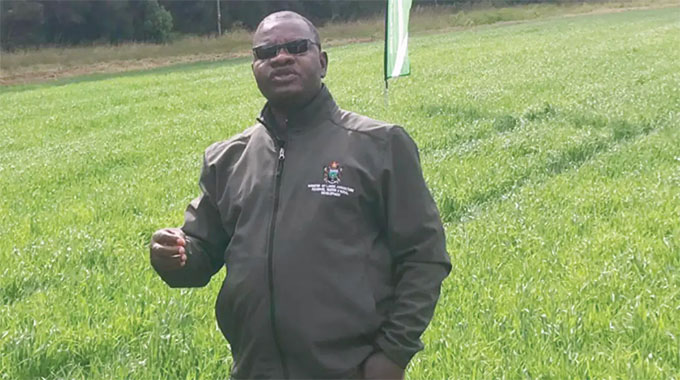
Precious Manomano-Herald Reporter
Agriculture expects have advised farmers to plant their crops if they have received enough rains.
Chief director for the Agricultural Advisory and Rural Development Services, Professor Obert Jiri said it is critical for farmers who have received adequate rains to start planting.
Prof Jiri also advised farmers to stagger their planting in case of unexpected rainfall patterns.
“Farmers can go ahead and plant if the moisture is suitable to do so. Do not plant all your crops at the same time but rather stagger your plantings. This will help in case of a drought or if rainfall patterns changes,” he said.
He also urged farmers to embrace conservation agriculture as part of good agronomic practices as well as a measure against drought effects.
“At this point, I also urge farmers to do Pfumvudza farming which conserves moisture and soil structure.”
Prof Jiri also advised farmers to seek advice and weather updates from experts to ensure high yield and quality production.
Farmers’ unions officials who spoke to The Herald said planting was inevitable since some parts have received adequate moisture.
Zimbabwe National Farmers Union vice president Mr Edward Dune said areas between Rusape and Macheke had received enough rainfall adding that farmers are currently planting.
“Areas between Rusape and Macheke have received enough moisture for planting and farmers have started planting,” he said.
The Tobacco Farmers’ Union Trust president, Mr Victor Mariranyika said some of the farmers have started planting their crops with the current rains.
“The moisture which is present in some areas of the country can ensure germination of crops. This is the time to plant in such areas. I advise farmers to plant if the moisture is effective to do so,” he said.
Zimbabwe Indigenous Women Farmers Association Trust president Mrs Depinah Nkomo weighed in and said if the rains are sufficient enough for germination, farmers should plant.
“Some areas did not receive enough rains. It is crucial to wait for effective rains to avoid losses. I think Pfumvudza is the best especially this time as we are not sure of the rainfall patterns. The concept locks in moisture which is essential in germination,” she said.



 Online Reporter