Online Reporter
Robin Muchetu, Health and Gender Editor
WOMEN’S rights groups have called for the urgent and adequate resourcing of Zimbabwe’s reconstituted Anti-Domestic Violence Council as the country grapples with a series of fatal domestic violence cases that have claimed the lives of couples and family members in recent months.
The call by Women and Law in Southern Africa (WLSA) comes after Government re-operationalised the statutory council last week, amid growing concern over reported cases of domestic violence involving murder and suicide.
WLSA said Zimbabwe’s legal framework provided a basis for combating domestic violence, but warned that laws could only be effective if institutions responsible for implementing them were functional and adequately resourced.
WLSA noted that while Zimbabwe has a strong legal framework for preventing and responding to domestic violence, laws must be supported by effective institutions.
“The Domestic Violence Act [Chapter 5:16] set up the Anti-Domestic Violence Council to coordinate prevention efforts and advise the Government. As cases continue to rise, there is an urgent need to ensure that these mechanisms are fully operational and adequately resourced,” said WLSA.
“WLSA Zimbabwe therefore calls for the immediate activation and adequate resourcing of the Anti-Domestic Violence Council, accompanied by regular public reporting on domestic violence trends, interventions and the effectiveness of the national response.”
The Government re-operationalised the council last Friday, with the statutory body established under Section 16 of the Domestic Violence Act to coordinate the national response to domestic abuse.
The 12-member council comprises representatives drawn from Government ministries, traditional leadership, civil society and faith-based organisations.
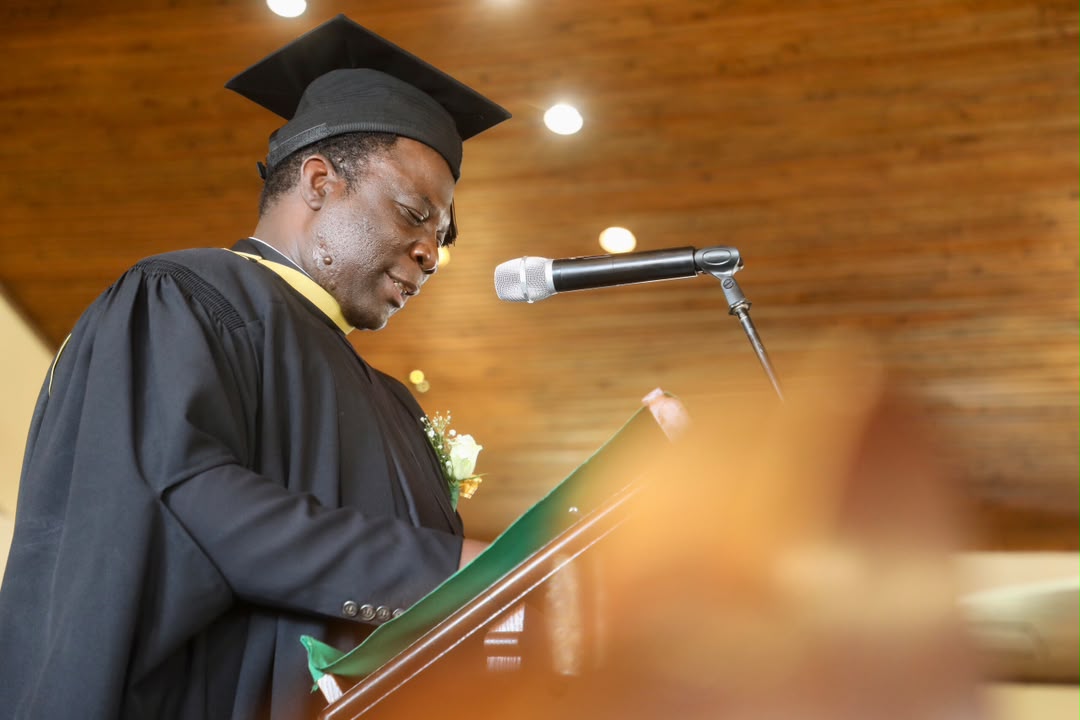
Permanent Secretary for Justice, Legal and Parliamentary Affairs, Mrs Vimbai Nyemba said the council was mandated to keep domestic violence under constant review, disseminate information, raise public awareness, promote the establishment of safe houses for survivors and provide regular reports to the Minister on the status of domestic violence in the country.
The reconstitution comes against the backdrop of a number of reported cases in which domestic disputes have allegedly escalated into fatal violence.
“These tragic incidents underscore the urgency of our mission. The reconstitution of this Council is both timely and necessary, representing a decisive step in strengthening Zimbabwe’s national response to domestic violence,” said Mrs Nyemba.
“This scourge is not merely a legal issue but a profound social challenge that undermines the fabric of families and communities. It demands a coordinated, multi-sectoral response.”
Mrs Nyemba said there is a need for the council to strengthen referral mechanisms, improve coordination among stakeholders and ensure that laws and policies are translated into tangible protection for people at risk.
She said no single institution can address domestic violence in isolation.
WLSA cited several recent cases to illustrate the gravity of the problem.
On September 9, a Zimbabwe Human Rights Commission commissioner and Midlands State University lecturer died following an alleged domestic violence incident at his home in Dzivarasekwa Extension, Harare. His wife also died shortly afterwards, reportedly after taking poison.
On September 17, a 26-year-old woman in Hatfield was allegedly strangled to death by her husband following a domestic dispute, while in Mt Darwin, another woman was reportedly killed by her husband with an axe after he allegedly accused her of infidelity.
On September 23, a couple was found dead in their bedroom in Glen View 3, Harare, following a reported marital dispute.
In a separate case, a Tsholotsho man appeared in court this week facing a murder charge after his wife, who was allegedly set alight during a domestic dispute in May, died from her injuries on September 15.
The man allegedly attacked his wife and locked a room in which she, their child and her parents were hiding before setting it on fire.
The woman was admitted to hospital but was later discharged to recover at home, where she subsequently died.
The accused allegedly attempted suicide after learning of his wife’s death but survived and was arrested.
He reportedly told police that he had discovered WhatsApp messages which he believed showed that his wife was having an affair.
In another case attracting attention, Zimbabwean national Ndodana Tshuma, who resides in the United Kingdom, is alleged to have killed his wife and two children at their home. Details surrounding the incident had not been fully established.
While allegations of infidelity have featured in several of the reported cases, WLSA said disputes or accusations could never justify violence.
“No accusation, disagreement, or dispute justifies violence. Domestic violence must never be treated as a way to resolve family disputes in Zimbabwe,” the organisation said.
WLSA called for the swift and thorough investigation of reported offences and prosecution where evidence establishes criminal conduct.
It also called for expanded access to survivor-centred services, including shelters, legal aid, counselling, psychosocial support and effective referral pathways for survivors, children and other affected family members.
The organisation said preventing domestic violence required sustained intervention before disputes escalated into violence rather than condemnation only after lives had been lost.
It also called for traditional and religious leaders and institutions to play a stronger role in preventing domestic violence, promoting non-violent conflict resolution and reinforcing values of dignity, respect and Ubuntu/Unhu within families and communities.
WLSA said the safety, rights and wellbeing of survivors must remain at the centre of the national response.