Online Reporter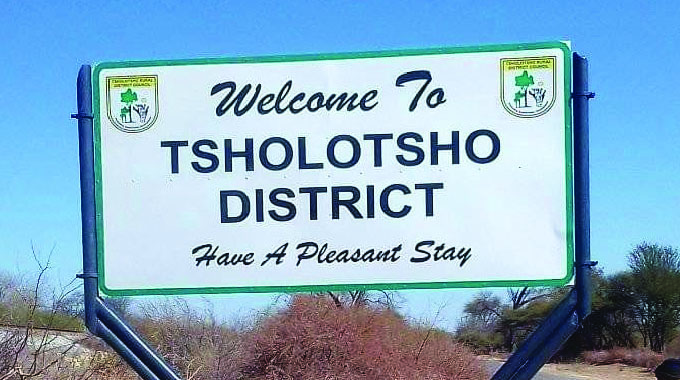
Nothando Ncube
As dusk settles over the scrubland villages of Matabeleland North, many residents say the evening brings more than darkness. It brings fear.
In Lupane and Tsholotsho districts, villagers interviewed by this publication allege a pattern of intimidation and violence they say is being carried out by unscrupulous members of the ruling Zanu-PF party.
The alleged goal, residents claim, is to coerce communities into publicly endorsing “Vision 2030,” a political campaign associated with extending President Mnangagwa’s term of office to 2030.
Although the government has repeatedly said the president will respect constitutional term limits, villagers say the message reaching them on the ground is starkly different.
“They tell us that everyone must support Vision 2030 or face consequences,” said a villager from Lupane who requested anonymity for fear of reprisals. “Meetings are called at night, and those who question are beaten or threatened.”
In Tsholotsho, several residents described being summoned to political gatherings where attendance was treated as compulsory. Those who failed to show up, they allege, were later confronted by local party activists.
“People have been assaulted, their huts destroyed, or their food aid threatened,” said a community elder. “It reminds us of past election periods when violence was used to silence people.”
The province has a long and painful history of political violence, most notably during the Gukurahundi massacres of the 1980s. While residents stress that the current situation is not on the same scale, many say the memories amplify the fear.
“Any sign of organised violence here reopens old wounds,” said a local civil society organiser. “People are terrified of speaking out.”
Human rights activists working in Matabeleland North say reports of intimidation have increased in recent months, though many incidents go unreported due to fear of retaliation and limited access to independent policing structures in remote areas.
“Villagers feel trapped,” said the activist. “They depend on food aid, farming inputs, or local authorities who are often politically aligned. Refusing to toe the line can mean losing everything.”
Residents allege that the violence is not officially sanctioned but is carried out by “overzealous” party members eager to prove loyalty by mobilising support for Vision 2030.
Zanu-PF officials contacted for comment denied the allegations, insisting the party does not condone violence and that Vision 2030 is a development agenda, not a campaign to extend the president’s term.
“Zanu-PF does not force anyone to support its programmes,” said a provincial party representative. “Any individuals engaging in violence are doing so in their personal capacity and should be reported to the police.”
Government officials have also reiterated that President Mnangagwa is serving his final term under the constitution and has not endorsed any move to extend it.
However, villagers interviewed say such assurances offer little comfort when intimidation happens at community level.
Civil society groups are urging authorities to investigate the allegations and ensure the safety of residents.
“Political participation must be voluntary and free from violence,” said the organiser. “If left unchecked, this culture of fear undermines democracy and social cohesion.”
For now, many villagers say survival means silence.
“We just want peace,” said a Tsholotsho resident quietly. “We want to farm, raise our children, and live without being forced into politics.”
In the past they have been reports that villagers from the same area were also being forced to join the National Youth Service.
As Zimbabwe moves further into debates about its political future, the voices from Lupane and Tsholotsho serve as a reminder that national visions, however framed, are ultimately felt most sharply in the lives of ordinary people.