Patrick Chitumba, [email protected]
FEAR and stigma are putting women’s lives at risk, with some delaying medical attention for breast cancer, as a survivor has warned that early diagnosis can make the difference between life and death.
Ms Tendai Hamandishe, who was diagnosed with breast cancer at the age of 24, said some of her colleagues who had refused to seek medical attention had since died, highlighting the dangers of ignoring symptoms and delaying treatment.
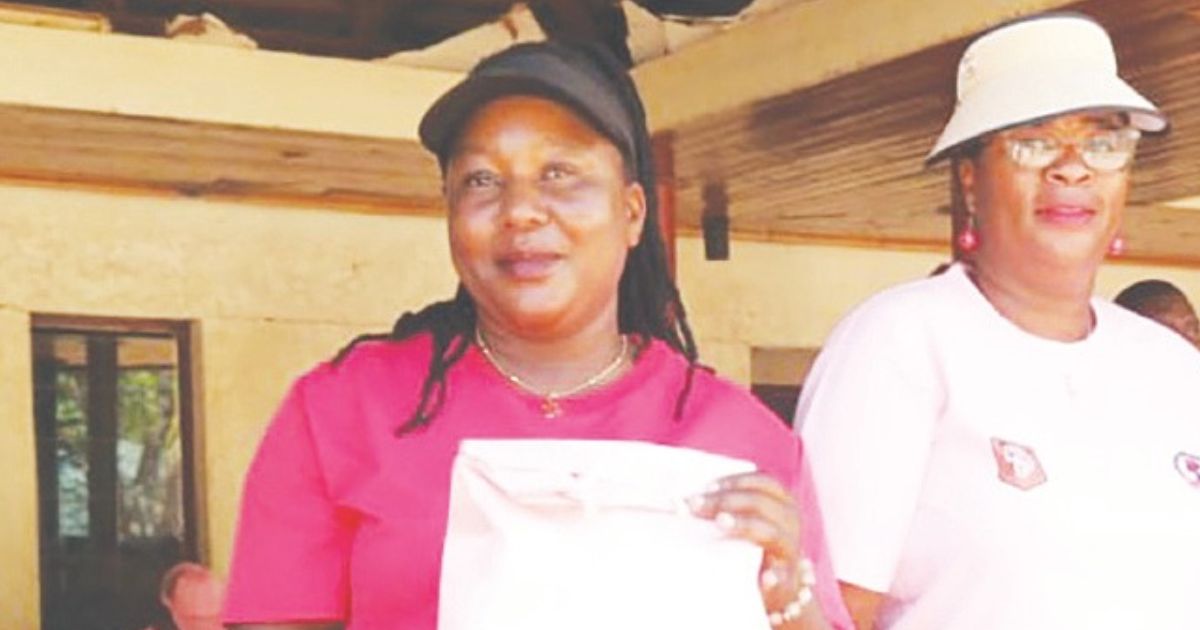
Ms Hamandishe shared her experience during Pink October breast cancer awareness activities held at 5 Infantry Brigade in Kwekwe at the weekend, where survivors and health advocates called for greater awareness, regular screening and timely medical intervention.
“I was diagnosed at 24 and panic filled me. I had to undergo procedures until it was over. My colleagues refused to seek help and they are gone now,” she said.
She urged women not to allow fear or stigma to prevent them from seeking medical attention whenever they noticed unusual changes in their bodies.
“When you notice any changes in your body, do not wait or delay because of fear or stigma. Early diagnosis saves lives. Seeking medical advice as soon as you notice a lump or unusual symptom gives you the best chance to fight and win. I am here as a testimony,” she said.
Chairperson of the Midlands Chapter of the Zimbabwe Defence Forces Women and Wives Association, Mrs Tolence Munzararikwa, called for greater breast cancer awareness among military personnel, their families and surrounding communities.
She said cancer affected people regardless of rank, status or gender, making early detection and access to healthcare a shared responsibility.
“Cancer does not recognise rank, status or gender. Our message is simple: know your body, recognise the signs and seek medical advice early.
“In the military, we talk about resilience, but we also need to speak up. Seeking healthcare is a sign of strength, not weakness. Together, we can build a stronger Defence Force,” she said.
Meanwhile, River Valley Properties has extended its breast cancer awareness efforts by providing free screening services to improve access to early diagnosis, particularly for women facing financial constraints.
Group Chief Executive Officer Dr Smelly Dube said financial challenges should not prevent women from accessing essential healthcare services.
“We are committed to providing free screening for everyone in our community, ensuring that financial constraints do not stand between women and early detection. Healthcare must be accessible to all,” she said.
Dr Dube urged women to remain alert to changes in their breasts, saying early detection was critical to improving treatment outcomes.
She said warning signs included lumps or thickening in the breast, chest or armpit, changes in breast size or shape, skin dimpling that gives the breast an orange-peel appearance, inverted nipples, unusual discharge and persistent breast pain.
“Women should not ignore any unusual changes in their breasts. A new lump, changes in breast shape, nipple inversion or unusual discharge should be taken seriously and checked by a healthcare professional,” said Dr Dube.
She encouraged women to conduct regular breast self-examinations, noting that many breast caancer cases in Zimbabwe were initially detected by women themselves.
Dr Dube said women who noticed abnormalities or required assistance with examinations could seek help from the Cancer Association of Zimbabwe, local authority clinics and other healthcare providers.
“Clinical breast examinations and mammograms, where available, are also important because they help detect cancer early, when treatment is most effective,” she said.
Senator Annah Shiri, who represents persons with disabilities, called for inclusive screening programmes that cater for the healthcare needs of women with disabilities.
She said women with disabilities should have equal opportunities to access screening and other sexual and reproductive health services.
“When we invest in the health of women with disabilities, we invest in families and the entire nation. This inclusive screening drive ensures that women with disabilities are not left behind in sexual and reproductive health programmes,” she said.
Sen Shiri said sustained awareness campaigns, accessible screening facilities and timely medical intervention were essential to reducing breast cancer-related deaths and ensuring that all women had access to essential healthcare services.