Sikhumbuzo Moyo, [email protected]
GOVERNMENT has directed all local authorities across the country to activate disaster preparedness and response mechanisms ahead of the 2026/2027 rainfall season to ensure timely and effective interventions in the event of emergencies.
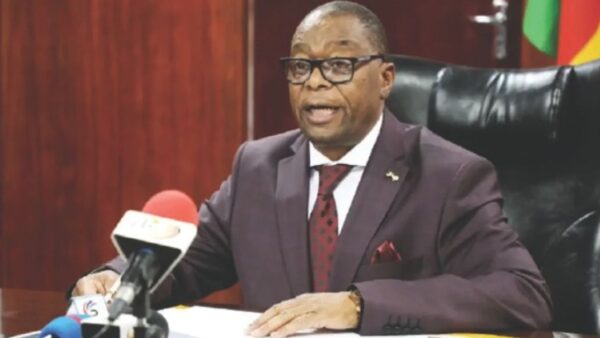
In a circular addressed to mayors and council chairpersons, Local Government and Public Works Minister Daniel Garwe said although the seasonal forecast indicates below-normal and erratic rainfall, the possibility of adverse weather events, including heavy rains, thunderstorms, hailstorms, strong winds and flash floods, cannot be ruled out.
He urged local authorities not to become complacent but to remain vigilant and adequately prepared for potential emergencies.
“Accordingly, all local authorities are directed to ensure that their disaster management structures and response plans are operational, relief materials are prepositioned, drainage systems are cleared, vulnerable areas are identified and monitored while personnel, equipment and transport should be readily available for emergency response,” said Minister Garwe.
He said councils should also strengthen collaboration with relevant stakeholders under the leadership of Civil Protection structures while maintaining effective coordination and reporting mechanisms.
“In light of the foregoing, all councils are directed to prioritise preparedness and take proactive measures to safeguard lives, protect infrastructure and ensure continuity of essential services throughout the rainfall season and beyond,” said Minister Garwe.
The directive comes against the backdrop of an earlier instruction by the ministry’s Permanent Secretary, Mr Tafadzwa Muguti, requiring local authorities to allocate at least two percent of their annual budgets towards disaster preparedness, emergency response and recovery.
Mr Muguti warned that councils failing to comply with the requirement risk having their budgets rejected.
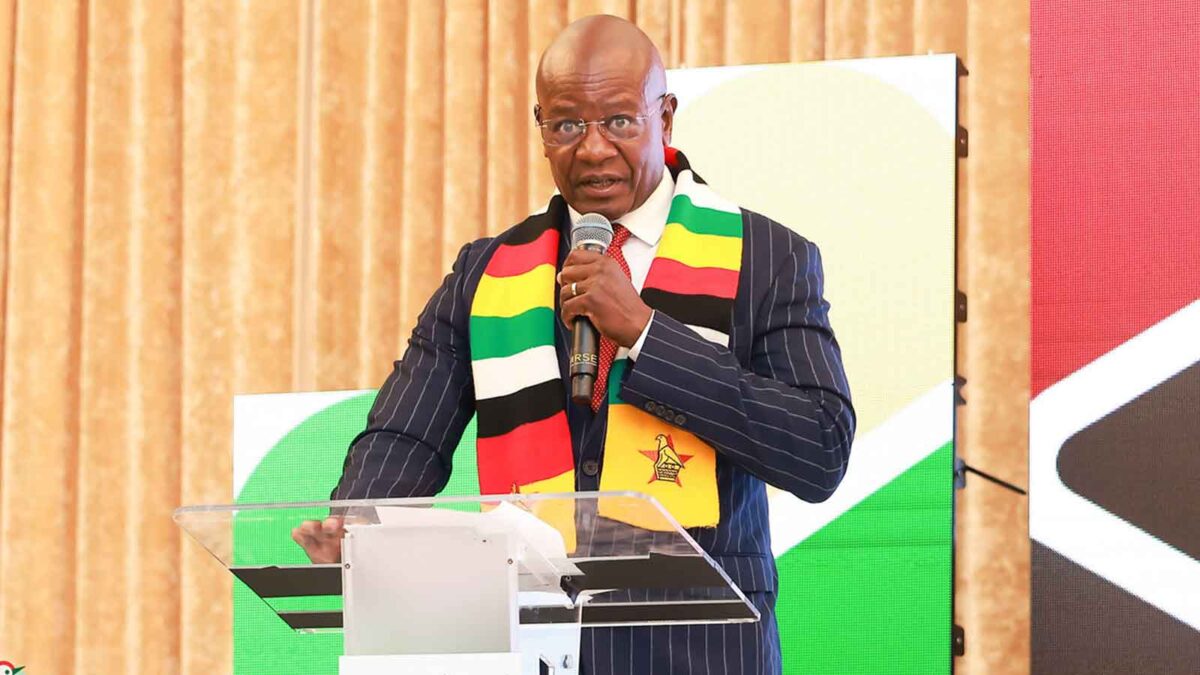
He said disaster management was a shared responsibility involving all three tiers of Government: Central Government, provincial and metropolitan structures, and local authorities. “Disaster preparedness and response should not be regarded as the sole responsibility of the Central Government,” he said.
Under the directive, town clerks, town secretaries and chief executive officers of local authorities are required to incorporate the mandatory allocation into their annual budget proposals, supported by clearly defined disaster risk management programmes and activities.
The funds will cater for the development and implementation of disaster risk management and contingency plans, procurement of emergency supplies, transport and fuel for response operations, search and rescue, evacuation, temporary shelter and humanitarian assistance.
The allocation will also support disaster recovery and rehabilitation of affected communities and infrastructure, public awareness campaigns, early warning systems, simulation exercises and capacity-building programmes for emergency response teams.
Mr Muguti said councils should look beyond climate-related disasters such as floods, droughts and storms to address service delivery deficiencies that could trigger or worsen emergencies.
He cited poor solid waste management, inadequate drainage systems, dysfunctional sewerage infrastructure, settlements in unsuitable areas, fire safety deficiencies and poorly maintained roads as vulnerabilities requiring urgent attention.
The directive comes as local authorities prepare for the rainy season amid concerns over flash floods, veld fires, water shortages, ageing infrastructure and waste management challenges.
Last month, the Bulawayo Provincial Civil Protection Committee identified nine potential hazards requiring assessment, including drought and water scarcity, veld fires, flash floods, hailstorms,
road traffic accidents, infectious disease outbreaks, land degradation associated with unconventional mining methods, and drug and substance abuse.