

 Online Reporter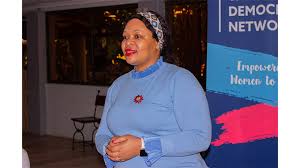
Theseus Shambare
FEMINIST digital principles are key to achieving gender equality and safeguarding women and girls from online and offline exploitation.
Speaking during the recently held 7th Southern Africa Youth Forum (SAYoF) in Antananarivo, Madagascar, Equality Now’s regional representative for Southern Africa, Ms Sally Ncube, stressed that digital transformation must be anchored in human rights and inclusivity.
“Adolescents and youth in Southern Africa are at risk of child marriage, female genital mutilation, sex trafficking, and technology-facilitated gender-based violence. Women and girls are disproportionately affected, and we must act urgently,” Ms Ncube said.
She noted that while the SADC Model Law on Gender-Based Violence provides guidance, challenges remain.
“Existing mechanisms face enormous challenges, particularly on effective enforcement. Survivor protection and cross-border cooperation must be strengthened,” she said.
Ncube pointed to the Alliance for Universal Digital Rights (AUDRi), a coalition co-founded by Equality Now, which successfully secured a standalone gender action line in the UN’s Global Digital Compact.
“Southern Africa must ensure digital rights are inclusive, gender-responsive and grounded in human rights,” she said.
The feminist digital principles outlined by Ncube include closing the youth digital divide through legal and budget reforms, ensuring affordable and safe internet access, guaranteeing protection against cyberbullying and surveillance and expanding women’s leadership in digital governance.
“By acting decisively, SADC can lead in building a digital future that safeguards the rights, dignity, and opportunities of all—especially women, girls, and marginalised communities,” she said.
“We urge all stakeholders to place young voices, especially young women, at the centre of governance and development.”



 Online Reporter