Nqobile Bhebhe, Zimpapers Business Hub
The Ministry of Finance and Investment Promotion is strengthening its public resource management systems to support economic growth, improve service delivery and accelerate the implementation of national development priorities ahead of the 2027 financial year.
This comes as Government intensifies efforts to improve revenue mobilisation, enhance expenditure efficiency and ensure that public resources are channelled towards programmes with the greatest economic impact.
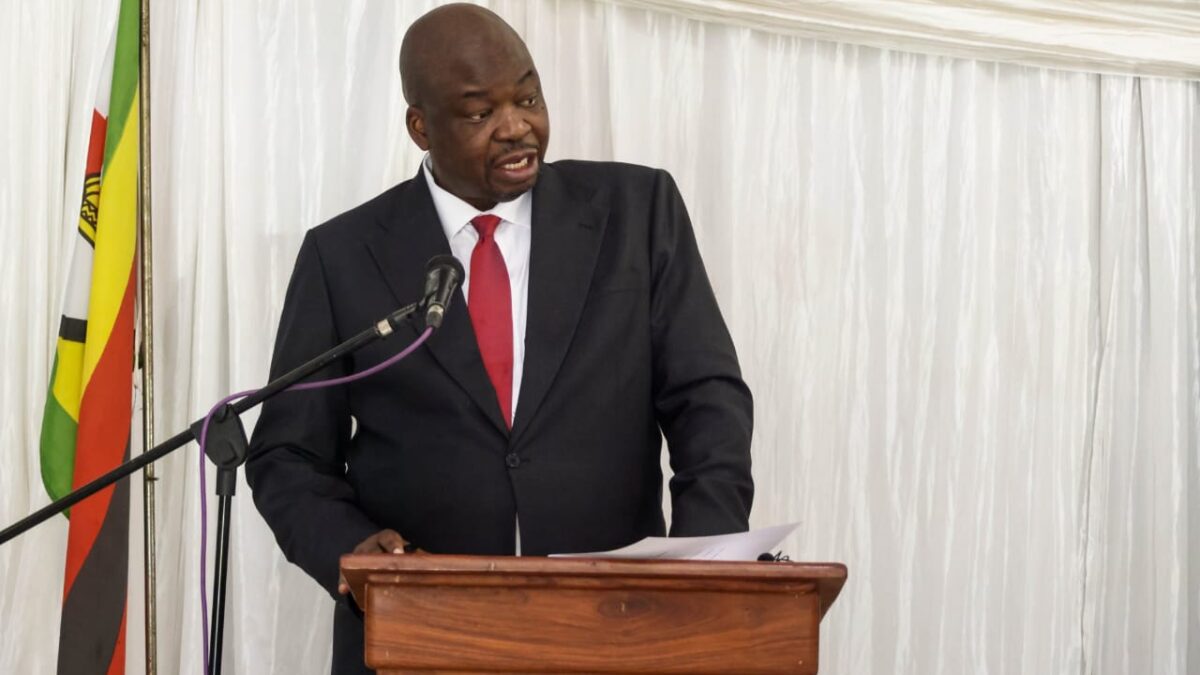
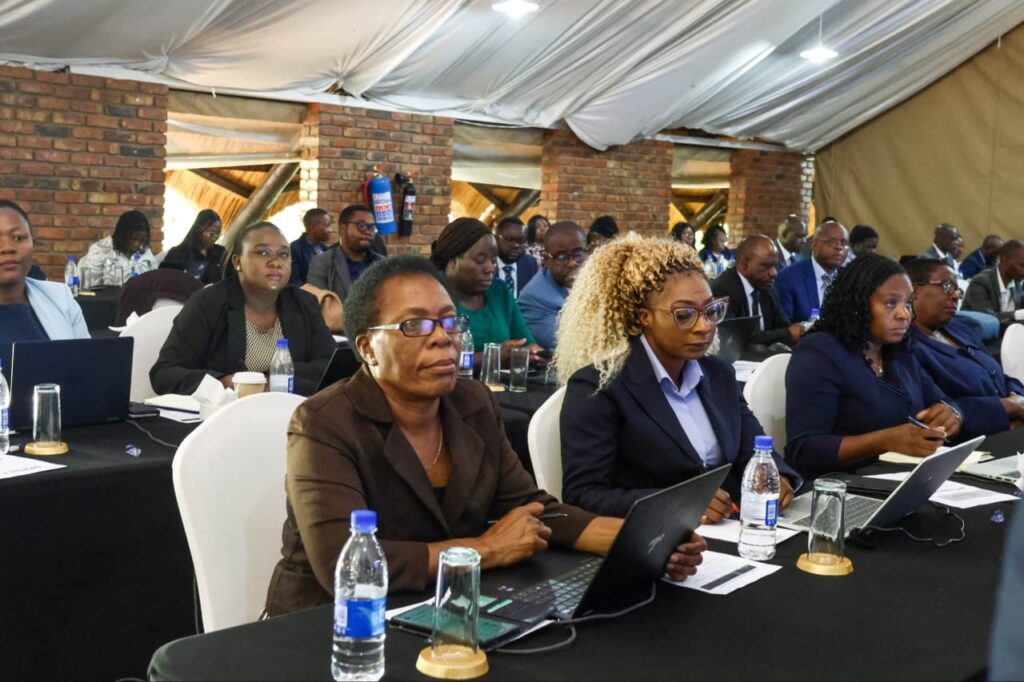
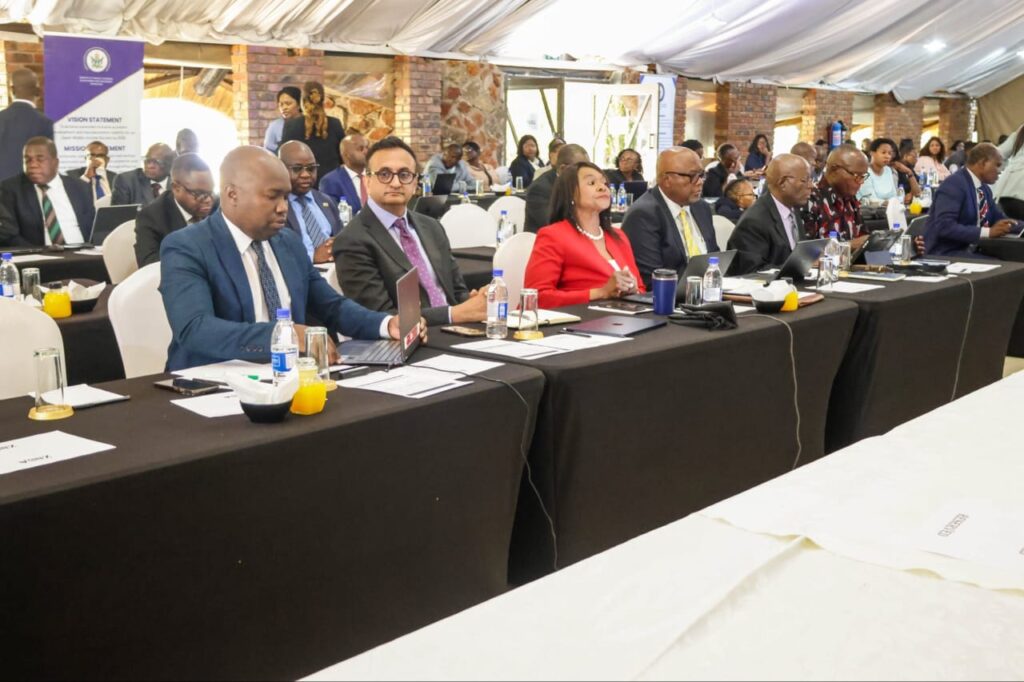
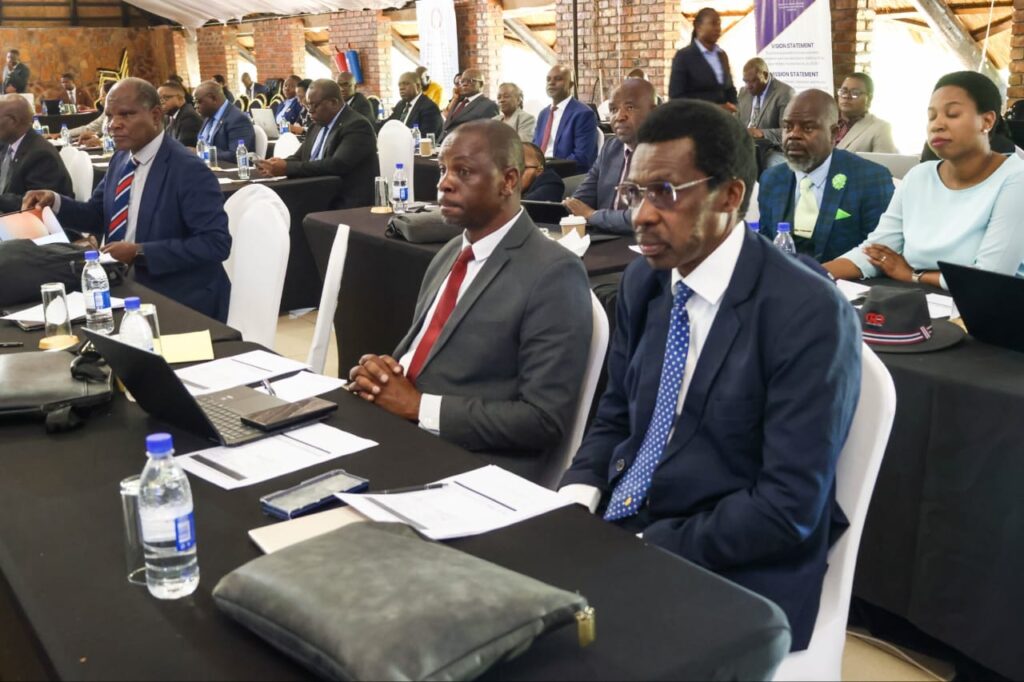
Officially opening the Ministry’s 2027 Strategic Planning Review Workshop in Harare, Permanent Secretary Mr George Guvamatanga called for stronger alignment between institutional plans, measurable targets and practical implementation, emphasising the importance of translating policy objectives into tangible results.
He said effective prioritisation and resource allocation would be critical in maximising the impact of available resources, particularly as Government institutions balance competing funding requirements.
“The Permanent Secretary stressed that the Ministry’s challenge is not necessarily a lack of resources, but how best to prioritise and allocate available resources,” the Ministry said.
The ministry noted the importance of Programme-Based Budgeting in ensuring that funding decisions are guided by national development priorities, with every allocation delivering value for money.
The review comes against the backdrop of encouraging revenue mobilisation performance, with domestic revenue reaching 17.5 percent of gross domestic product (GDP), surpassing the 15.9 percent target, while financing mobilisation also exceeded its target.
Progress was also recorded in public accountability, risk management, electronic procurement, financial inclusion, investment promotion, planning and financial sector stability, rhe ministry said.
Mr Guvamatanga called for these gains to be consolidated through stronger institutional coordination, improved monitoring and timely implementation of Government programmes.
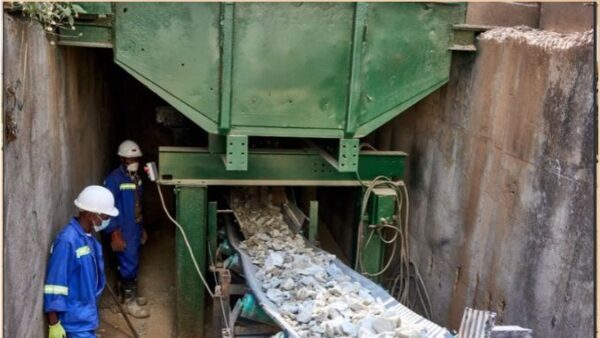
He also identified opportunities to broaden the revenue base by strengthening collections from productive sectors, particularly mining, agriculture and manufacturing, while leveraging technology and improved systems to enhance efficiency.
The Permanent Secretary further called for improved monitoring of grant-funded projects, stronger audit compliance and more effective institutional performance tracking.
Only 16 of the 37 targeted Ministries, Departments and Agencies had submitted audit findings registers, highlighting opportunities to strengthen accountability and oversight across Government.
He also encouraged the Ministry to undertake internal assessments and benchmarking to improve operational efficiency, including reviewing the effectiveness of Centralised Procurement Units.
The workshop will further guide the alignment of the Ministry’s revised strategic plans with the new Government institutional structure following the separation of Economic Development and Investment Promotion from the Finance portfolio.
The strategic planning process is expected to strengthen coordination, improve public resource utilisation and support the effective implementation of national economic development programmes in 2027.