Online Reporter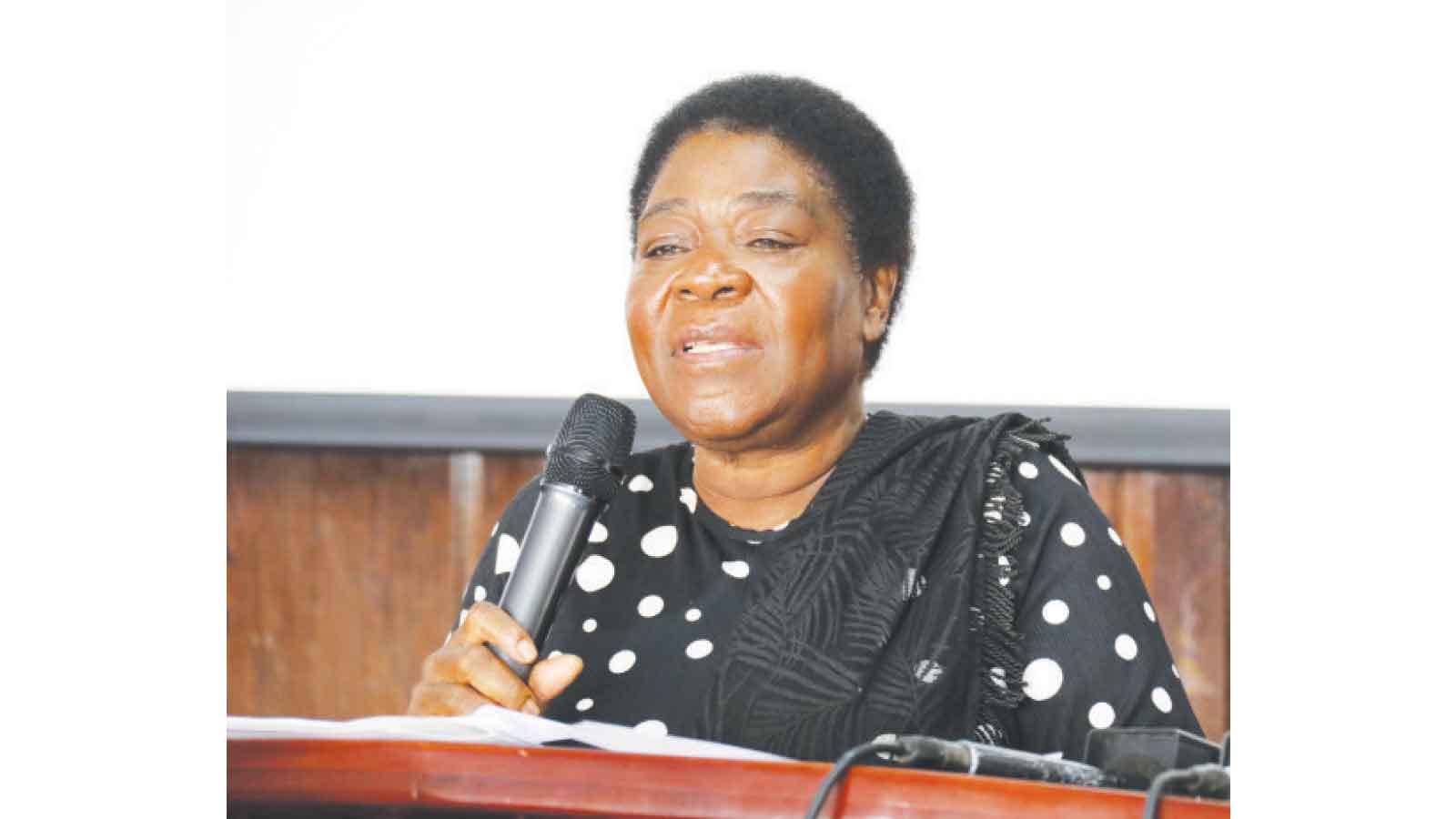
Sikhulekelani Moyo
Zimpapers Writer
FINANCIAL literacy is a critical tool for breaking the cycle of poverty, strengthening household resilience and driving sustainable economic development, Bulawayo Provincial Affairs and Devolution Minister Judith Ncube has said.
Minister Ncube made the remarks during the graduation of small and medium enterprises (SMEs) that completed a financial literacy training programme facilitated by the International Labour Organisation (ILO) in partnership with the Ministry of Women Affairs, Community, Small and Medium Enterprises Development, with funding from the African Development Bank (AfDB).
Her speech was read on her behalf by Julius Gwatiwa, the Bulawayo provincial director of administration.
Minister Ncube said the training had equipped participants with essential financial management skills, including budgeting, saving, investment planning and credit management — competencies she said were vital for business sustainability and growth.
She noted that the programme forms part of a broader initiative under the Youth and Women Entrepreneurship and Innovation Multi-Donor Trust Fund (YEI MDTF), implemented through the Business Growth for Young Women Entrepreneurs Project (BG4YE).
The initiative targets young, growth oriented female entrepreneurs and their employees under the Sustainable Enterprises Development for Women and Youth (Sedway) project.
The programme focuses on strengthening business capacity within value chains linked to anchor enterprises, as well as in off farm sectors such as light manufacturing and agro processing, in order to stimulate employment creation for young women and men.
“Empowerment through financial education is not merely a goal; it is a necessity. We must recognise the transformative power that sound financial management holds for women entrepreneurs in our society,” said Minister Ncube.
She said women in Zimbabwe were increasingly taking on roles as entrepreneurs, decision makers and household leaders. However, despite their growing participation, many continued to face barriers related to financial knowledge, access to capital and entry into formal markets.
According to the 2021 ZimStat survey, women constitute 56 percent of SMEs in Zimbabwe, although most operate in the informal sector.
“When women are equipped with strong financial management skills, they not only grow their businesses but also uplift their families and communities,” said Minister Ncube.
She said the partnership between the Government, ILO and AfDB had already produced tangible gains.
“So far, 1 017 entrepreneurs comprising 768 women and 249 men, have been trained in Masvingo, Manicaland, Mashonaland East and Bulawayo provinces, surpassing the initial target of 1 000,” said Minister Ncube.
The trained entrepreneurs have collectively created 2 246 jobs — 1 196 for women and 1 050 for men — more than double the original target of 1 000 jobs. Beneficiaries have also transferred skills to their employees, enhancing enterprise productivity and resilience.
Minister Ncube said 80 percent of the trained businesses were expanding into new business lines, while a similar proportion had sustained operations for more than a year, demonstrating resilience and long term viability.
She added that 50 percent of the entrepreneurs had been supported to formalise their operations, adopting systems such as QuickBooks, Point of Sale platforms, and registering with local authorities and the Zimbabwe Revenue Authority (Zimra).
The Financial Management Training Programme aligns with National Development Strategy (NDS) 1 and 2, both of which aim to transform Zimbabwe into an upper-middle-income economy by 2040.
ILO Country Director Ms Philile Masuku, represented by Mr Fortune Sithole, applauded the collaboration between the Government and its development partners.
“These results are testimony that together we can achieve the objectives of the Decent Work Country Programme, the United Nations Sustainable Development Co-operation Framework, the Financial Inclusion Strategy, NDS1, the Sustainable Development Goals and the African Development Bank’s High 5 priorities,” he said.
Bulawayo Chamber of SMEs programmes director Mr Nketa Mangoye Dlamini expressed gratitude to all partners involved, including the Bulawayo City Council, for supporting the programme.
Meanwhile, the Government continues to integrate financial literacy and entrepreneurship education into learning institutions, particularly at the tertiary level, while encouraging private sector initiatives that promote financial inclusion among girls and young women.