Online Reporter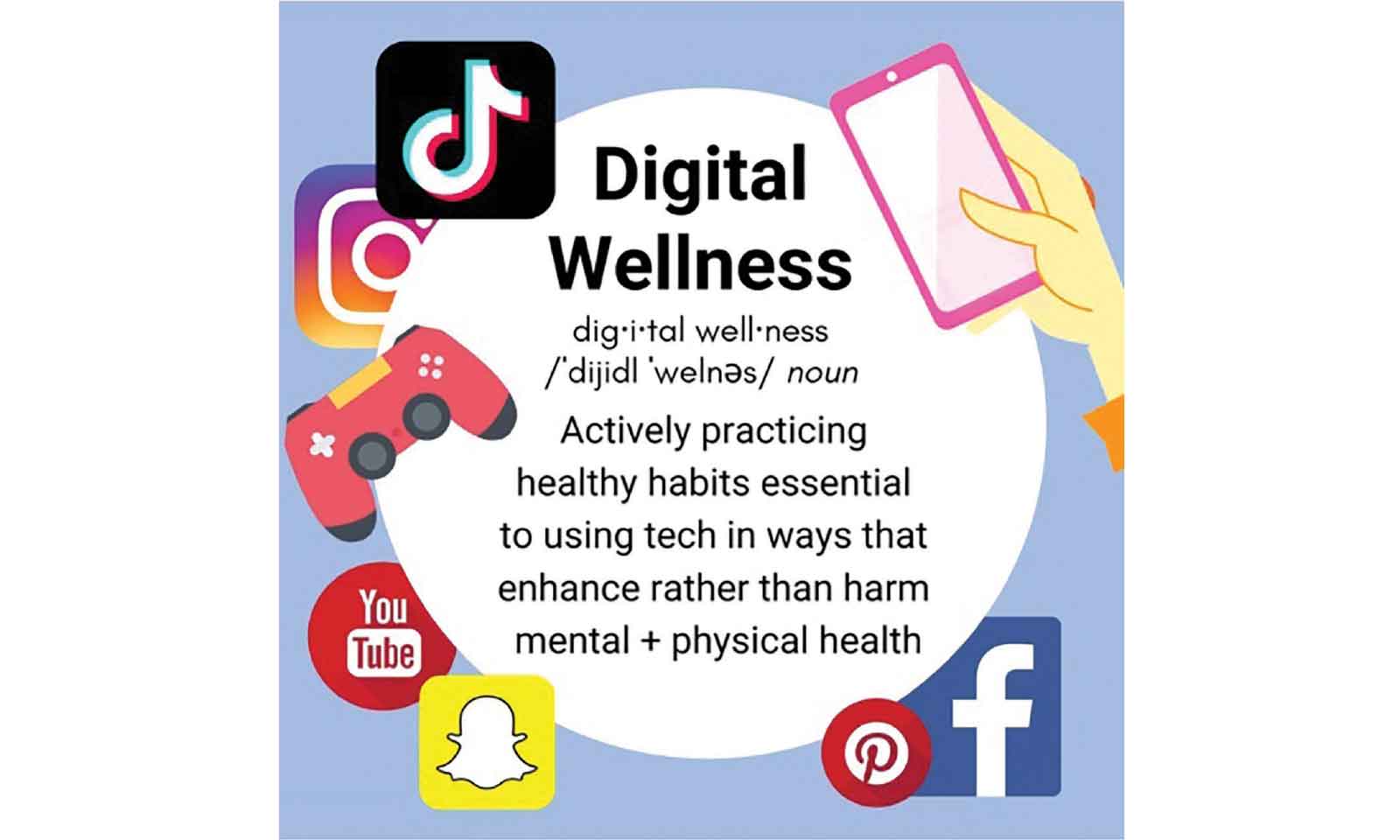
Lucia Ponde Mutsvedu
Correspondent
Technology now sits firmly at the centre of everyday life.
From how we learn, work and shop to how we socialise and relax. Indeed, digital devices shape almost every aspect of the contemporary living.
While this hyper-connectivity has delivered remarkable convenience and opportunity, it has also sparked growing concern about its impact on our physical, mental and social well-being.
In this era of constant connection, understanding digital safety is no longer enough. We must now learn how to practise digital wellness.
Digital wellness refers to the intentional and mindful use of technology in ways that support, rather than undermine, our overall health. It is about maintaining balance and ensuring that screen time does not come at the expense of rest, relationships or emotional stability. As devices become ever more integrated into daily routines, this balance is becoming increasingly difficult to achieve.
For today’s youth in particular, the digital world is not separate from real life; it is an extension of identity. However, as more activities migrate online, digital overload has reached worrying levels.
Research suggests that the average person checks their phone more than 150 times a day, with many spending four to five hours daily on screens. This relentless engagement fuels pressure to be constantly available, often resulting in heightened stress, anxiety and mental fatigue.
Progressively, beyond children, parents, educators and employers are also feeling the strain of digital overload. Children spend significant amounts of time on screens completing homework and conducting research. Adults, on the other hand, are constantly exposed to emails, virtual meetings and other online responsibilities. This raises an important question: who is responsible for whom when everyone is preoccupied with navigating online interactions? The increasing use of technology in the school, workplaces and personal lives has made it very hard for people to engage meaningfully as families, friends and workmates strive to stay connected to the outside world. This reason foregrounds the need for intentional healthy digital habits across all age groups. Without setting these clear limits, technology will continue to pose a risk dominating our daily routines as a society.
The physical consequences are equally troubling. Prolonged screen use contributes to eye strain, headaches and poor posture, while exposure to blue light disrupts sleep patterns and reduces sleep quality. At the same time, productivity suffers as concentration is repeatedly interrupted by notifications, messages and alerts. Ironically, in a world designed to keep us connected, meaningful face-to-face interaction is declining, leaving many people feeling isolated despite being digitally surrounded. From this perspective, we need to realise the importance of our future lives. Do we stay connected, to be disconnected?
Addressing these challenges requires deliberate action. One effective strategy is setting clear boundaries with technology. Establishing phone-free zones such as at the dinner table or in the bedroom can create space for genuine human connection and rest. Using “Do Not Disturb” settings during work hours or family time helps limit unnecessary interruptions, while screen-time tracking apps can offer valuable insight into usage habits.
There is also a growing movement towards the idea of a “digital detox”. Practices such as a weekly “Digital Sabbath”, where individuals intentionally disconnect for a set period, are gaining popularity.
The aim is not to abandon technology altogether, but to reset and regain control. Prioritising in-person conversations, managing notifications, and choosing voice calls over constant texting can significantly improve mental well-being and strengthen relationships.
Healthy routines, especially before bedtime, are crucial. Reducing screen exposure in the evenings supports better sleep, while engaging in offline activities such as reading, journalling or outdoor exercise provides a vital counterbalance to digital life.
At the heart of digital wellness lies a simple shift in mindset: using technology with purpose rather than out of habit.
The benefits of adopting these practices are clear. Many people report reduced stress, improved focus, better sleep and stronger personal relationships.
Physical health also improves as individuals become more mindful of posture and screen habits. Digital wellness, however, is not about rejecting technology. It is about using it wisely and recognising when it begins to erode well-being.
This awareness is especially important for younger generations navigating social comparison, online pressure and an “always-on” culture. As we move further into the digital future, new trends are emerging from tech-free nighttime routines to wellness-focused travel experiences designed to encourage disconnection. These developments reflect a growing realisation that attention is one of our most valuable resources.
Ultimately, digital wellness is a personal and ongoing journey. By setting boundaries, tracking usage and prioritising real-world connections, individuals can find a healthier balance in a screen-saturated world.
The future may be digital, but how we choose to live within it remains firmly in our control. Choosing wellness means choosing presence, purpose and a fuller engagement with the world beyond the screen.
Lucia Ponde Mutsvedu is the director of Safety n Us