

 Online Reporter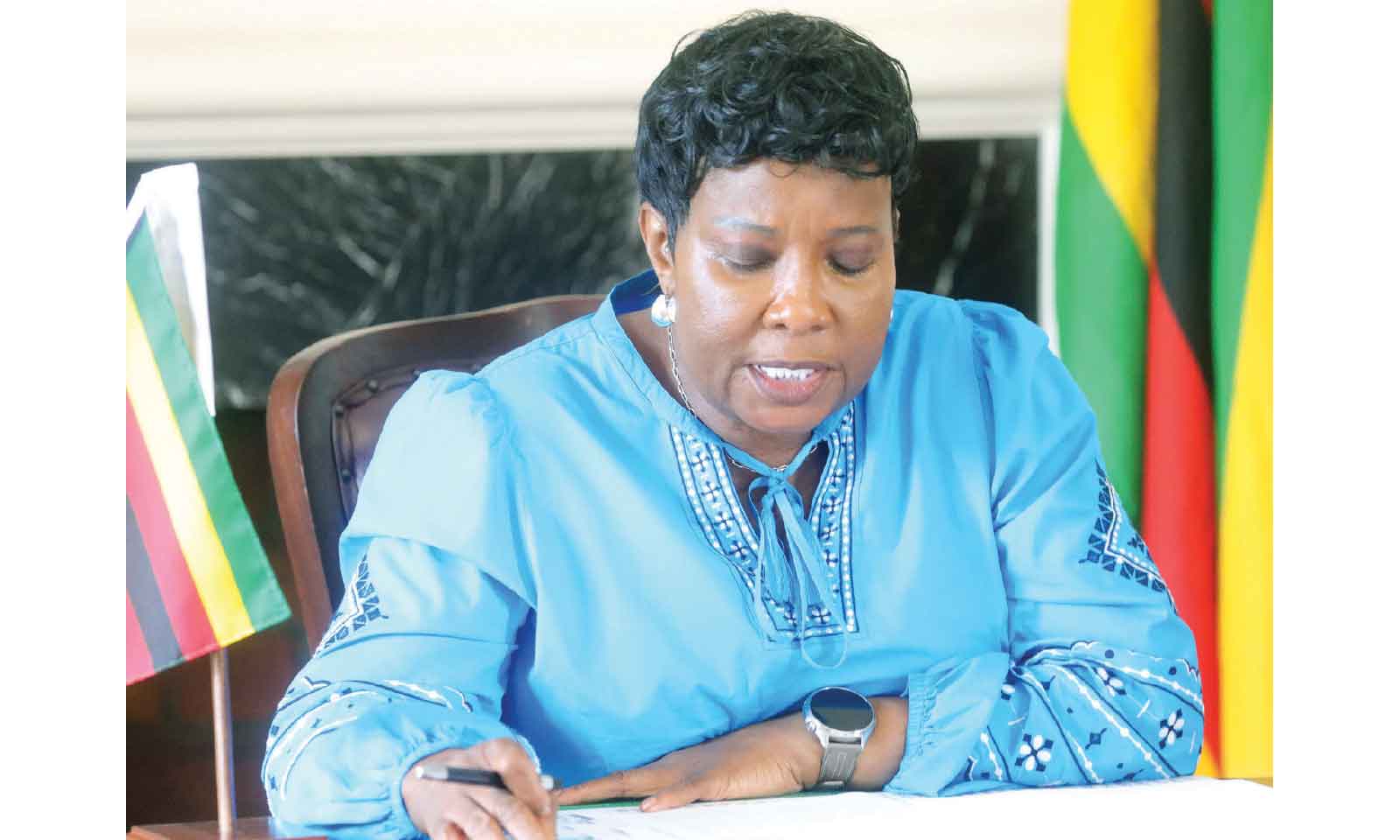
Blessings Chidakwa
Senior Reporter
THE country’s Health and Care Ambassador, First Lady Dr Auxillia Mnangagwa, has highlighted the urgent need for global cooperation to ensure access to essential medicines, particularly for children and vulnerable patients suffering from cancer.
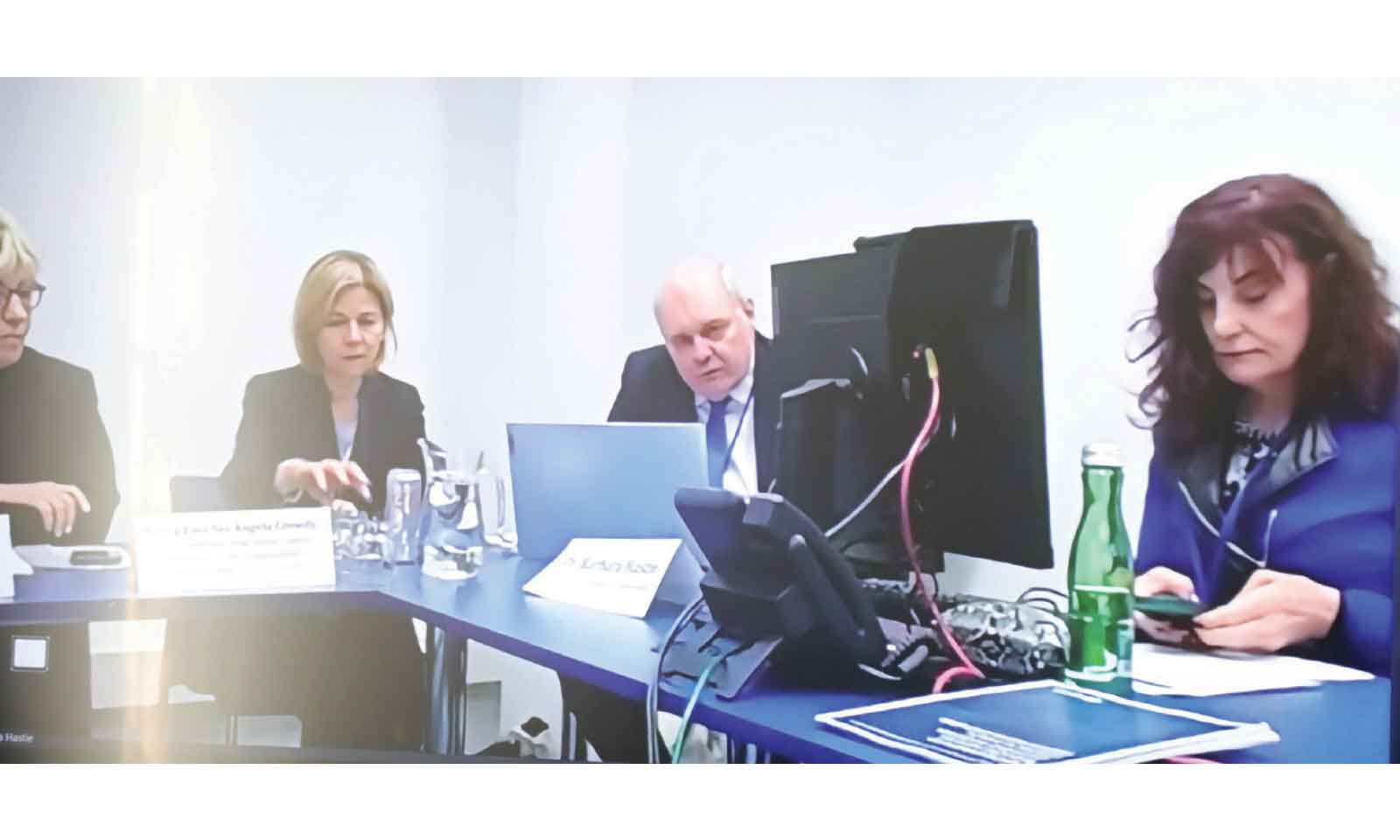
Speaking virtually at a major international cancer event organised by the union for International Cancer Control, Dr Mnangagwa, who attended the meeting together with Health and Child Care Minister Dr Douglas Mombeshora, said access to pain relief is a matter of humanity and dignity.
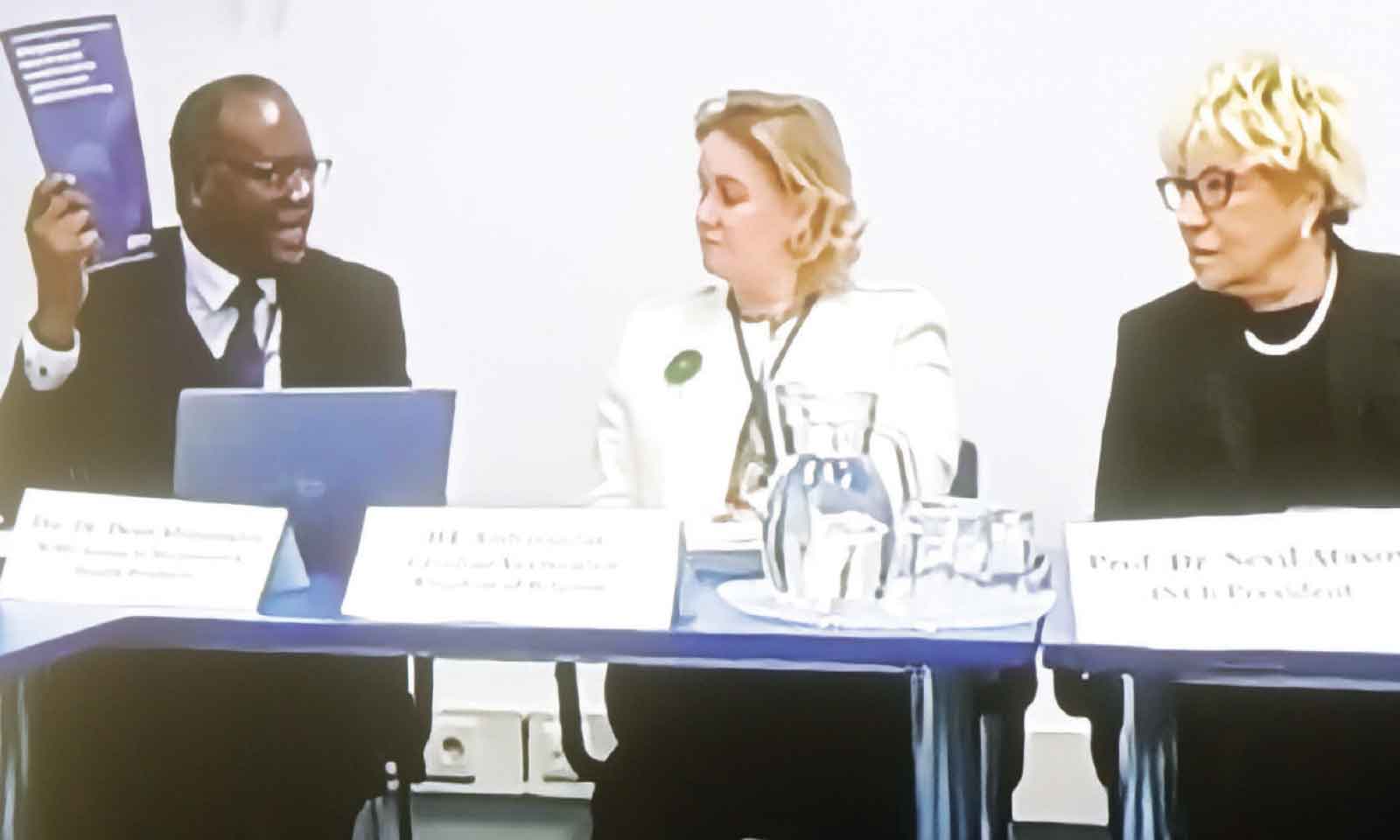
This was during a side event at the 69th Session of the Commission on Narcotic Drugs (CND) on Monday in Vienna, held under the theme, “A world that cares: the urgent need for global collaboration to relieve pain and suffering of children and vulnerable populations through effective implementation.”
The discussion highlighted the critical, unmet need for access to essential controlled medicines for pain management and palliative care.
In her address, the First Lady, Dr Mnangagwa, emphasised that no child or patient should endure unnecessary suffering due to lack of access to essential medicines.
“The international drug control conventions, together with guidance from the World Health Organisation, provide a framework that balances preventing misuse while ensuring availability for legitimate medical purposes,” she said.
“Our collective task is to strengthen implementation through training healthcare workers, improving regulatory systems and ensuring reliable supply chains even in the most remote communities.”
Zimbabwe continues to take active steps toward ensuring that essential medicines, including controlled medicines needed for pain management, are accessible to those who need them most, reflecting the country’s ongoing commitment to public health and humanitarian care.
The First Lady, also the Patron of the Cancer Taskforce, underscored the importance of international cooperation, compassion and shared commitment.
“Through cooperation, compassion and shared commitment, we can build a world where humane and compassionate care is accessible to all, a world that truly cares,” she said.
The Health and Child Care Ambassador also reflected on her visits to hospitals and communities across Zimbabwe, where she has witnessed first-hand the impact of inadequate pain management on patients and families.
Dr Mnangagwa highlighted that improving access to quality healthcare remains a national priority, with the Government working to strengthen policy frameworks, regulatory systems and supply chains to meet this goal.
Other delegates also called for stronger integration of palliative care in humanitarian responses.
Professor Julia Downing highlighted the urgent need to improve children’s access to controlled medicines, particularly for those requiring palliative care.
Prof Downing illustrated the issue through the story of a young child living in a rural community without access to specialists, pain relief or epilepsy medication.

“Imagine a seven-year-old child called Maya with a serious neurological condition that causes seizures and constant pain,” she said.
“Her parents love her deeply, but there are no specialists nearby, no access to pain relief or epilepsy medication, and no one to guide them through the fear and uncertainty of her illness.”
Prof Downing said millions of children worldwide face similar situations, lacking access to essential controlled medicines needed to manage severe pain, cancer and life-limiting conditions.
“For children living with cancer, life-limiting illnesses and those needing palliative care, access to opioids and other controlled medicines is essential,” she said.
“Yet in many parts of the world, these medicines are simply out of reach.”
Prof Downing stressed that ensuring access to these medicines is a matter of equity and rights.
“Controlled medicines must be available for every child in need, no matter where in the world they live,” she said.
“Access to essential controlled medicines for children is not a luxury service it is essential healthcare and a fundamental human right.”
Meanwhile, Professor Dr Richard Wicksell, speaking on behalf of the International Association for the Study of Pain, said the global discussion around opioids should focus on balancing access and safety.
“The challenge is how to ensure that people who need these medicines for legitimate medical purposes can access them, while ensuring that opioids are used safely and appropriately within strong clinical and health system frameworks,” he said.
“In short, the goal should be access without excess.”
Prof Wicksell also said that many patients, particularly in low- and middle-income countries, still lack access to essential opioid medicines for severe pain, while in other settings, unsafe or poorly monitored prescribing has contributed to harm.
He said improving pain care requires expanding access where it is medically necessary while strengthening prescribing practices and monitoring to ensure opioids are used safely.
Joan Martson said the aim is to ensure palliative care, including expert pain management becomes part of emergency health services as humanitarian crises continue to affect more people worldwide.
“We are sadly all very aware of the growing number of people affected by humanitarian crises impacting our world,” he said.
“In these challenging situations, where individuals are already facing immense suffering and pain, it is essential that they have access to the care and medications they need to alleviate their symptoms and improve their quality of life, especially the most vulnerable.”
Martson also said that humanitarian crises often worsen barriers to healthcare, with health workers diverted to emergency services and pain medicines prioritised for trauma treatment.
Francis Bunnert of the Organisation of Eastern Caribbean States Pharmaceutical Procurement Service said a pooled procurement programme was created to help small island states strengthen their bargaining power and improve access to medicines.
“We established a pooled procurement programme whereby the objectives were twofold to increase the bargaining power of small island states and therefore reduce the unit cost of medicines, while at the same time increasing accessibility for general medicines, in particular narcotics for pain management,” he said.
However, Bunnert said that challenges remain in ensuring reliable supplies of narcotics.
“Some suppliers demand a minimum order value of about US$5 000 per order, and because of our small populations and small numbers of patients, this can sometimes be an impediment,” he said.



