Talent Gore-Zimpapers Reporter
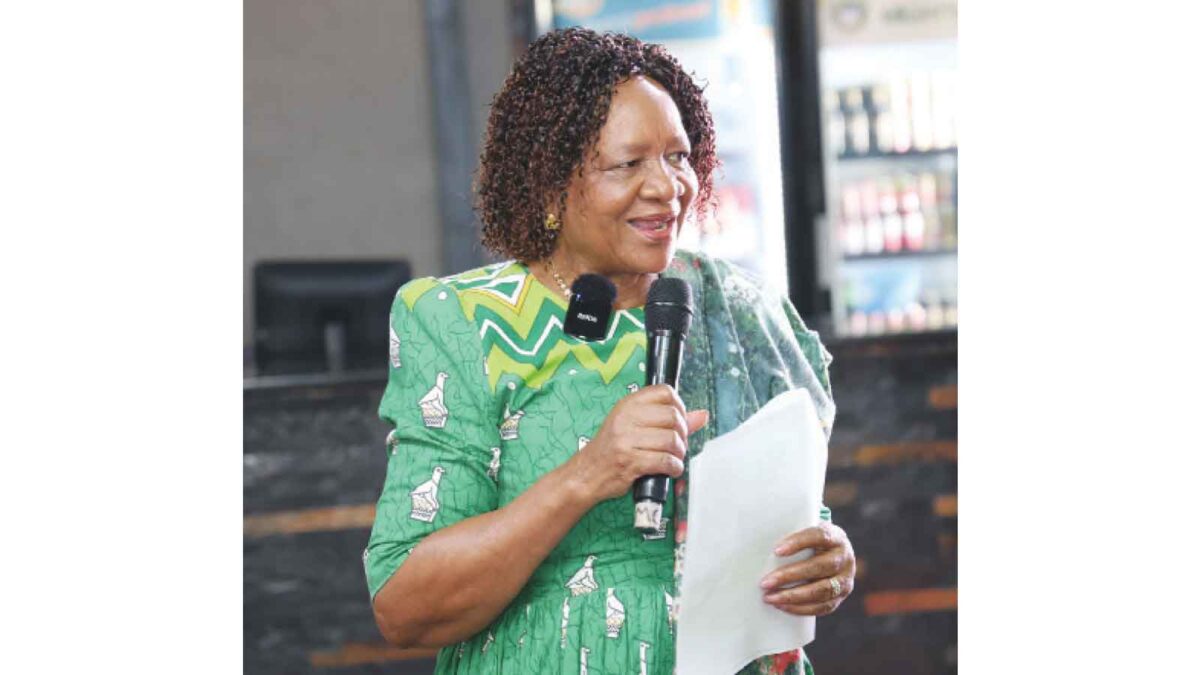
Wildlife Ambassador and First Lady Dr Auxillia Mnangagwa has called for a whole-of-Government and whole-of-society approach to wildlife conservation, saying the protection of Zimbabwe’s rich wildlife heritage requires collective responsibility and concerted efforts from all sectors of society.
Dr Mnangagwa made the call during the Human-Wildlife Coexistence and Endangered Species Awareness Fundraising Dinner and Campaign Launch held at the iconic Baradzanwa Cultural Village in Mazowe on Friday night.
The inaugural event brought together stakeholders from the Government, the conservation sector and communities to strengthen efforts towards protecting endangered species and promoting peaceful coexistence between people and wildlife.
In her keynote address, the First Lady said wildlife conservation was a shared responsibility, emphasising that the protection of endangered species was already provided for under the country’s legal framework.
“In Zimbabwe, the Parks and Wildlife Act provides for the protection of endangered species through legal designations such as specially protected animals and specially protected indigenous plants, which are species requiring strict protection because of their rarity or threat of extinction,” she said.
“As such, this responsibility cannot be left to Government alone. It requires a whole-of-Government and whole-of-society approach.
“We need to protect our animals and plants because we live alongside them and they are part of our environment. I say no to hunting our wildlife. These animals are not for eating and should be protected at all costs.”
The First Lady emphasised the need to place rural communities at the centre of wildlife conservation.
“The role of rural communities in wildlife conservation cannot be understated, as they are the key custodians of wildlife,” she said.
“However, they are often overlooked in conservation decision-making processes; we must ensure that these communities, particularly those living alongside wildlife, receive the support and resources they need.
“We need to mobilise resources to conduct nationwide awareness campaigns and promote peaceful coexistence between people and wildlife.”
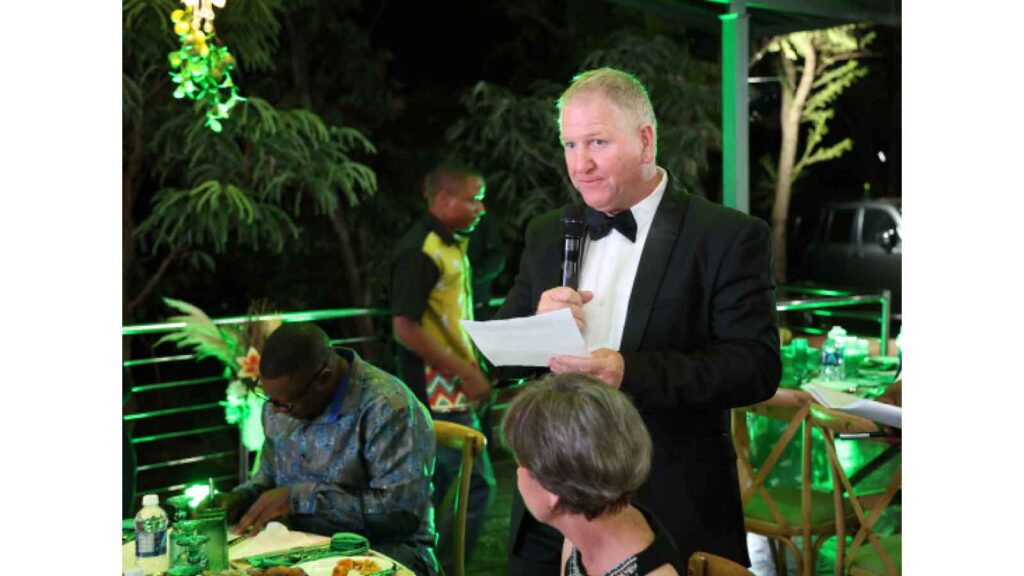
A representative from Matusadona Conservation Trust makes a pledge during the inaugural Human-Wildlife Coexistence and Endangered Species Awareness Fundraising Dinner and Campaign Launch in Mazowe.
A passionate advocate for wildlife conservation, Dr Mnangagwa also highlighted the devastating impact of human-wildlife conflict, revealing that Zimbabwe had lost 48 people, while 60 others had been injured in wildlife-related incidents in 2026 alone. She said the fundraising dinner was aimed at mobilising resources to support conservation programmes, raise awareness and assist communities affected by human-wildlife conflict.
“Considering the huge costs involved in wildlife protection, we found it necessary to organise this fundraising dinner as part of mobilising resources for the protection of our endangered species,” she said.
“We need resources to run awareness campaigns throughout the country, assist victims of human-wildlife conflict and promote human-wildlife coexistence.
“In 2026 alone, Zimbabwe has already lost 48 people, while 60 have been injured by wild animals. In the last four years, we have lost 209 people and 316 have been injured. It is my hope that this fundraiser will help address these challenges for the good of our communities,” she said.
Zimbabwe Parks and Wildlife Management Authority director-general, Professor Edson Gandiwa commended the First Lady for her conservation advocacy and congratulated her on being conferred with the 2026 International Icon Woman Award by Malaysia’s Binary University in recognition of her humanitarian work and advocacy.
He said the campaign was not only about protecting endangered species, but also about unlocking the economic potential of the country’s wildlife resources.
“The campaign we launch today seeks to draw national attention to the plight of some of our most vulnerable species and to galvanise support for practical conservation interventions,” he said.
“This campaign focuses on three critically important species: the vulture, the cheetah and the Chimanimani cycad.
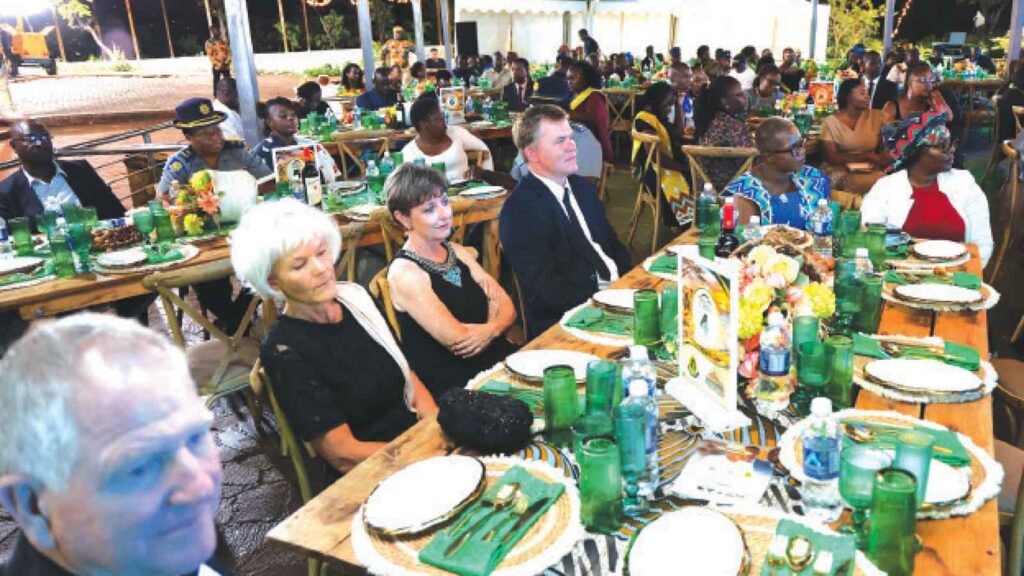
Participants from various organisations follow proceedings during the inaugural Human-Wildlife Coexistence and Endangered Species Awareness Fundraising Dinner and Campaign launch in Mazowe. — Pictures: Justin Mutenda.
“We must grow a resilient and inclusive wildlife economy that creates jobs, attracts investment, expands nature-based tourism, supports local enterprises and generates sustainable revenue.
“Wildlife is not simply a national heritage to be protected; responsibly managed; it is an economic asset capable of transforming communities and contributing to national prosperity.”
Minister of Environment, Climate and Wildlife Dr Evelyn Ndlovu applauded the First Lady for her continued advocacy and commitment to environmental stewardship. She underscored the importance of sustained collaboration among the Government, conservation organisations and communities in safeguarding the country’s natural heritage for future generations.
“Her Excellency has consistently championed initiatives that uplift communities, protect vulnerable populations and promote sustainable management of our natural resources,” Minister Ndlovu said.
“Through her dedication to environmental stewardship, she has become a powerful voice for wildlife conservation, raising awareness on the importance of safeguarding Zimbabwe’s biodiversity and encouraging all Zimbabweans to become responsible custodians of our natural heritage.”
Mashonaland Central Minister of State for Provincial Affairs and Devolution Christopher Magomo said hosting the campaign at Baradzanwa Cultural Village complemented the province’s development agenda, particularly efforts to promote tourism, preserve cultural heritage and unlock economic opportunities through the sustainable utilisation of natural resources.
“Hosting this campaign at Baradzanwa Cultural Village complements our provincial development agenda, particularly our efforts to promote tourism, preserve our cultural heritage and unlock economic opportunities through the sustainable utilisation of our natural resources,” he said.
The campaign seeks to strengthen public awareness, mobilise resources and galvanise collective action towards protecting Zimbabwe’s endangered species while promoting harmonious coexistence between communities and wildlife. Through the initiative, stakeholders are expected to consolidate efforts towards ensuring that the country’s rich wildlife heritage is preserved for generations to come.