Online Reporter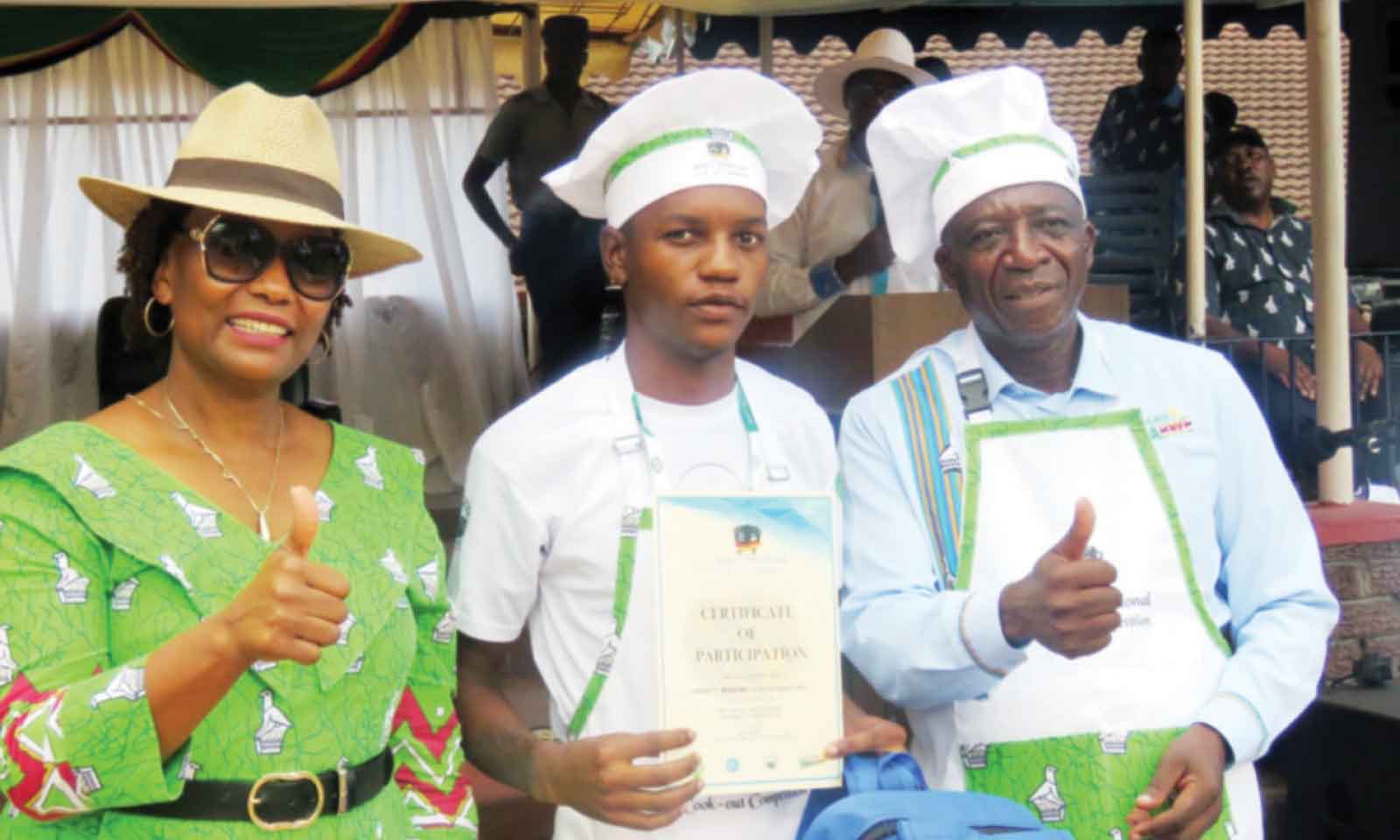
Tendai Gukutikwa
Mutare Bureau
GOVERNMENT has intensified efforts to position gastronomy tourism as a major driver of jobs and economic growth, with Amai’s Traditional Cook-Out Competition emerging as a key platform linking communities to business opportunities and global markets.
Speaking at the Manicaland provincial cook-out competition held at Mutare Teachers College yesterday, Minister of Tourism and Hospitality Industry, Honourable Barbara Rwodzi who was represented by permanent secretary Dr Takaruza Munyanyiwa, said traditional cuisine is no longer just about cultural preservation, but a strategic economic asset capable of transforming livelihoods.
Minister Rwodzi said Zimbabwe is deliberately commercialising its food heritage to unlock value across the tourism chain.
“The commercialisation of our food heritage is not just about preserving culture, but about owning its economic value. Gastronomy tourism has the potential to create jobs, empower communities and generate sustainable income,” she said.
The programme, launched in 2019 under the patronage of First Lady Dr Auxilia Mnangagwa, has grown into a nationwide initiative with international reach, creating opportunities for small-scale producers, farmers and entrepreneurs.
She said the government is now pushing to integrate local communities into formal supply chains by connecting them with hotels, restaurants and airlines, a move expected to boost demand for traditional dishes while strengthening rural economies.
“My ministry is actively engaging hoteliers, restaurants and airlines to establish structured supply chain linkages between communities and the hospitality sector. This is not a dream, it is a policy direction,” said Minister Rwodzi.
The strategy aligns with Vision 2030 and the National Development Strategy 2 (NDS2), which prioritise inclusive growth and community-based economic development.
Statistics presented at the event show that tourism continues to rebound strongly, with Zimbabwe recording over 1.77 million international arrivals in 2025, generating more than US$1.3 billion in revenue.
“Gastronomy experiences are increasingly becoming a major draw for visitors,” she said.
Minister Rwodzi said Zimbabwe is already making strides on the international stage, with local cuisine showcased in France and a permanent gastronomy restaurant established in Italy last year.
“This programme has positioned Zimbabwe as a rising global player in gastronomy tourism, while empowering thousands of beneficiaries at the community level,” she said.
Beyond economic gains, the initiative is also fostering entrepreneurship, with some participants now running businesses and supplying traditional foods at major events, conferences and institutions.
The minister added that Cabinet’s recent approval of the targeted development plan for tourism attractions in the Eastern Highlands will further unlock opportunities along the value chain, particularly for provinces like Manicaland.
“The targeted development approach will increase economic activity, create jobs and open up business opportunities for local communities,” she said.
In his remarks, Minister of State for Manicaland Provincial Affairs and Devolution Minister Misheck Mugadza who was represented by Permanent Secretary in his office, Mr Abbiott Maronge, said gastronomy tourism plays a pivotal role in both safeguarding Zimbabwe’s cultural identity and accelerating socio-economic development.
“What we are witnessing here today goes beyond a competition. This is about reclaiming our heritage, celebrating our traditions and showcasing the richness and diversity of Zimbabwean cuisine to the world,” he said.
He added that traditional food is a powerful expression of identity that must be preserved and passed down to future generations.
“Our indigenous dishes carry history, knowledge and values that define who we are as a nation. By promoting and preserving them, we are strengthening our cultural foundation while creating opportunities for communities,” he said.
Minister Mugadza noted that gastronomy tourism has become an important pillar in achieving national development goals, particularly under Vision 2030.
This year’s edition also continued to emphasise inclusivity, with persons with disabilities taking part for the second consecutive year.
Mrs Esinah Hlabati from Nyanga, who won in the persons with disabilities category, said the initiative had opened doors for many who are often excluded from mainstream economic activities.
“This competition has given us a chance to show our abilities. We are capable of working, creating and contributing to the economy just like everyone else,” she said.
She added that the exposure would help her grow her cooking skills into a business venture while encouraging others in her community to embrace traditional cuisine.
“I want to use this opportunity to teach others and build something sustainable. Our traditional food is valuable and can change lives,” she said.