Online Reporter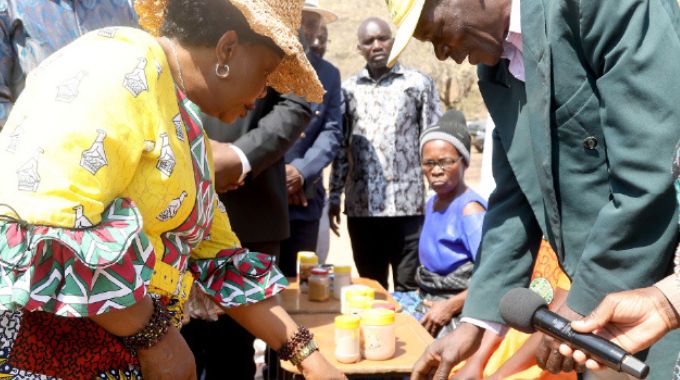
Blessings Chidakwa in Dande
FIRST Lady Dr Auxillia Mnangagwa has launched a landmark nationwide Traditional Medicinal Herbs Programme in the far-flung but richly endowed Dande Valley of Mashonaland Central Province, calling for greater utilisation and recognition of indigenous knowledge in healthcare to complement modern medicine.
Deep in the rugged Dande Valley, where communities have lived close to nature for generations, indigenous knowledge about medicinal plants remains part of everyday life.
Surrounded by forests and tucked away from the bustle of urban centres, Dande on Saturday became the unlikely setting for a national programme seeking to place Zimbabwe’s traditional medicinal knowledge at the centre of renewed efforts to improve healthcare.
It was here, at Kamutsenzere Business Centre, that the First Lady launched the Traditional
Medicinal Herbs Programme, bringing together traditional healers, herbalists, community leaders and villagers.
The national launch marked a significant step towards preserving and documenting indigenous knowledge while creating a bridge between traditional remedies and modern scientific research.
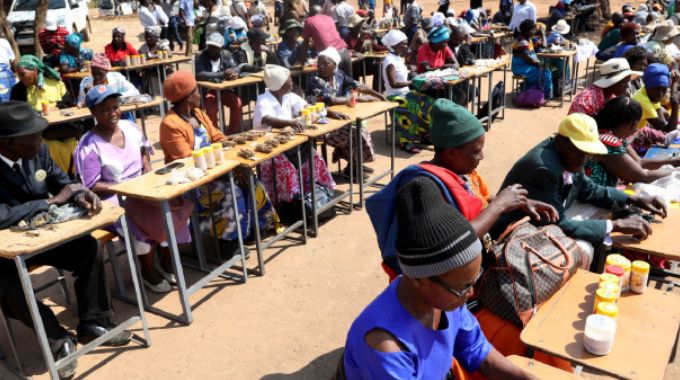
Dr Mnangagwa started with a tour of exhibitions showcasing an array of indigenous medicinal herbs, with traditional healers and herbalists explaining their uses and sharing how the knowledge had been passed down through generations.
During the tour, the programme highlighted the link between indigenous herbs, healthy food and gastronomy, with traditional foods and medicinal plants forming part of Zimbabwe’s heritage and approach to wellness.
Environmental conservation and education were equally emphasised, with communities encouraged to protect forests, reforest areas where medicinal plants grow and teach younger generations to preserve and pass on indigenous knowledge.
Some herbalists told Dr Mnangagwa that their knowledge had been inherited from elders, while others said certain medicinal remedies had been revealed to them through dreams. The First Lady said such knowledge should be preserved and documented for present and future generations.
The initiative comes as Zimbabwe seeks to harness its abundant medicinal plant resources while ensuring indigenous knowledge contributes meaningfully to modern healthcare.
From the heart of Dande Valley, the Traditional Medicinal Herbs Programme now sets its sights on a wider national journey, seeking to preserve the wisdom of generations while bringing it into the modern healthcare system.
In keeping with her community outreach work, out of Ubuntu and love of a mother, Dr Mnangagwa also extended humanitarian assistance to vulnerable people in the valley.
Dr Mnangagwa also initiated a livestock project to be overseen by Mai Mambo Chiswite, wife of the host traditional leader, who will run income-generating projects with the livestock and ensure their sustainability.
Proceeds from the projects will be channelled towards supporting persons with disabilities and child-headed families, helping them establish their own income-generating initiatives.
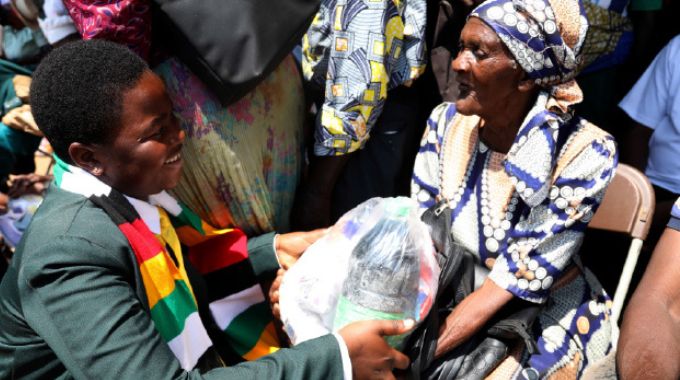
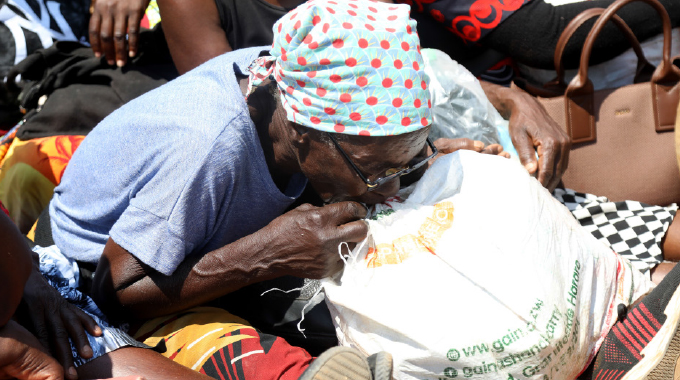
Elderly people, persons with disabilities, child-headed families and other beneficiaries received food hampers, which the First Lady personally distributed, while every attendee went home with goodies.
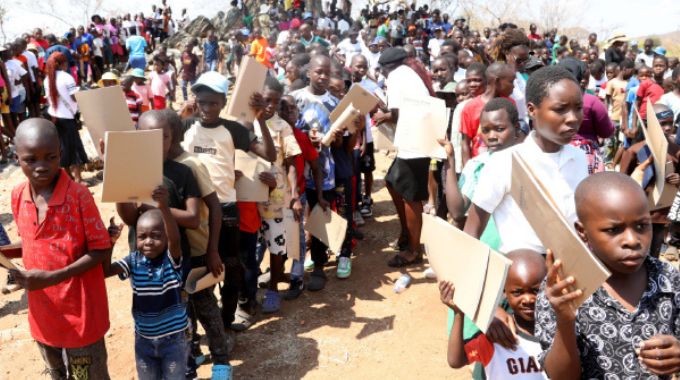
Expectant mothers received maternity preparation kits, while all schoolchildren were given stationery to support their education.
In her interactive address, Dr Mnangagwa, who is the Health and Child Care Ambassador, said Zimbabwe could not afford to lose knowledge passed down from generation to generation, as it complements modern healthcare.
The First Lady said traditional remedies had historically played an important role in promoting the health and longevity of African communities, being readily available, easy to prepare and widely used to relieve various ailments.
“Our ancestors left us with a wealth of medicinal knowledge. They used many plants, roots, leaves and fruits to treat different ailments, and much of that knowledge is still being used today. Our indigenous knowledge has shown that Zimbabwe is endowed with many plants and natural resources with medicinal properties.
“In many instances, a person can simply go into the bush, identify a particular plant and use it to relieve an ailment. This demonstrates how deeply rooted traditional medicine is within our families and communities,” she said.
Dr Mnangagwa said the programme would not end in Mashonaland Central but would be cascaded to all provinces, adding that the Dande initiative was only the beginning of a national journey to engage elderly people in villages and communities and gather their knowledge.
She said indigenous remedies extended beyond medicines used for treatment, as many plants were also incorporated into everyday diets, prepared as teas or added to food, with moringa being one such example.
“Our objective is to preserve our natural resources and protect them because they are connected to our lives and should not be allowed to disappear,” she said.
“The medicinal plants and indigenous knowledge that we have are increasingly sought after beyond our borders. We therefore have a responsibility to preserve this knowledge, protect our natural heritage and ensure that it is passed on to future generations.”
Dr Mnangagwa said traditional medicines, if fully harnessed, could complement modern healthcare, as they were rooted in indigenous knowledge and had long been used to relieve various ailments.
She said such practices were part of everyday community life, with even a child suffering from a stomach ache being directed by their grandmother to a particular plant in the bush that could help relieve the pain.
“This knowledge has been passed down through generations. It is about recognising the medicinal value of what nature has provided to us. In some instances, traditional remedies have been used to relieve ailments before a person proceeds to a health facility, particularly where the condition is minor,” she said.
Dr Mnangagwa said Mashonaland Central was blessed with rich forests and natural resources that provided a variety of medicinal and nutritious plants, fruits and vegetables, including tsenza, matsubvu, mutsine, derere and mowa.
She said the province’s forests and mountains were also home to medicinal plants such as muroro, traditionally used for stomach ailments, and mufandichimuka, which communities use to strengthen the body and relieve various ailments.
Dr Mnangagwa also cited murumanyama and gavakava among several other plants traditionally used for wounds, skin conditions and cleansing the body.
“These and many other plants have contributed to the health and wellbeing of our people for generations. Let us therefore talk openly and extensively about these medicinal plants, our fruits, vegetables and other wild plants, and the role they have traditionally played in our wellbeing.
“For this knowledge to come into the open and be properly documented, we need to listen to those who have used these remedies throughout their lives. Our grandmothers and grandfathers, you are the custodians of this knowledge. You are the ones who can tell us what our ancestors used in the past, including the plants and remedies that were traditionally used in our communities.”
As the country’s Environmental Patron, Dr Mnangagwa also used the occasion to highlight the importance of protecting forests that provide many of the plants used in traditional medicine.
Dr Mnangagwa urged communities to safeguard forests against degradation so that future generations could continue benefiting from their medicinal and economic value.
As the Tourism Patron, Dr Mnangagwa said Zimbabwe’s tourism sector was actively promoting
traditional foods and practices passed down through generations, incorporating indigenous knowledge and cultural heritage into the country’s tourism offering.
She said the drive involved engaging older generations to learn how traditional meals were prepared, encouraging communities to grow the foods they eat, preserve their traditional dress and showcase their way of life to visitors from around the world.
Dr Mnangagwa said these efforts were helping to project Zimbabwe globally as a country proud of its culture and heritage, while giving tourists an opportunity to experience and appreciate authentic Zimbabwean traditions.
The scourge of drug and substance abuse also featured prominently, with Dr Mnangagwa urging communities to take an active role in protecting young people from a growing threat to their future.
She urged young people to remain focused on their education, shun distractions such as premature relationships, listen to their parents, exercise self-discipline and make responsible choices that would enable them to build successful lives and ultimately take the country forward.
In the face of the El Niño-induced drought, Dr Mnangagwa encouraged communities in Dande Valley to grow drought-resistant crops and small grains better suited to the area’s hot and dry conditions.
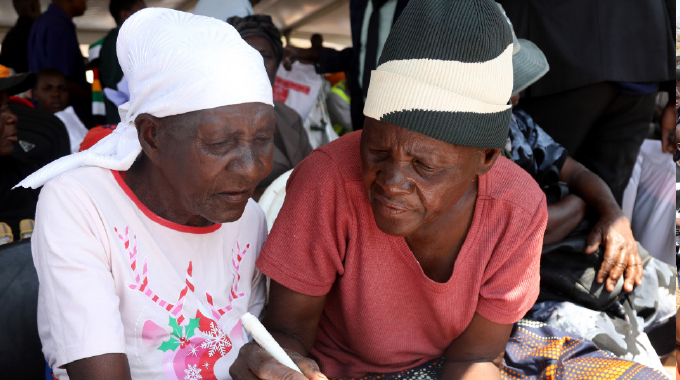
Dr Mnangagwa also led a highly interactive session, inviting community members to share their knowledge of traditional remedies.
The interaction left the crowd in stitches when 102-year-old Gogo Ferita Ngadze shared the traditional foods she believed had kept her strong and healthy.
“From the things I learnt and ate while growing up, I believe they are what have made me who I am
today. Even at my age, I still walk without a walking stick or any support.
“We used to eat wild fruits such as masorodzo and matsungwa, as well as demha demha, among many other foods we gathered from the bush. We ate many of these foods, and even today, I do not take tablets.”
One participant said: “I know muwonde, which is used to treat high blood pressure.”
Another said: “I know mukuyu leaves. When you boil them and drink the water as tea, they can also help with high blood pressure. Avocado leaves are also used.”
Another participant added: “Murengera (Moringa oleifera) is also used for high blood pressure. You can add it to vegetables or prepare it as tea.”
Participants said traditional remedies had over the years been used to alleviate various ailments and welcomed the opportunity to engage directly with the First Lady.
For 102-year-old Gogo Ferita Ngadze, the programme represented recognition of knowledge that had long been preserved within communities.
She said traditional medicine remained an important source of healing, with knowledge passed down through generations.
“Our First Lady is full of love. She is like the muti wemupondo, which carries many things and provides for everyone. She looks after everyone, including women who may be carrying pregnancies she is not even aware of.
“When it comes to food, we have never seen a mother like this. We are truly grateful for what she is doing for us.”
Mrs Makope, the wife of Chief Makope, said the First Lady’s programme was helping communities rediscover and preserve traditional knowledge that had been neglected over the years.
“We are very happy with our mother’s programme because it is helping us appreciate our culture and traditional knowledge, which we had started neglecting.
“Our ancestors had knowledge of these places and the plants found there. They used the forest to treat illnesses, while vegetables and medicinal plants were readily available in the wild.
“Muuyu, for instance, has medicinal properties. Its water can be used to wash wounds that do not heal, while other parts of the tree can also be used for medicinal purposes.
“What we have been taught through this programme is knowledge that we must embrace, preserve and pass on because it can sustain our lives.”
For Mrs Evelyn Mushumbi, the programme provided an important opportunity for communities to share traditional knowledge that has been preserved through generations.
She said the First Lady’s initiative was helping bring together elders and communities who still remembered how medicinal herbs were traditionally identified, gathered and used.
“We are happy that our First Lady has come to listen to us and learn from what our elders have always known. This knowledge has been passed down for generations, and we do not want it to disappear.
“By bringing us together like this, she is helping us preserve the way our ancestors gathered and used herbs for healing. We are grateful that our knowledge is being recognised.”
Mr Amos Magwiro said the programme was significant because it was creating a platform for elders to share indigenous knowledge that might otherwise be lost.
“We are happy because our knowledge is being collected and preserved. Our elders knew which herbs to gather, where to find them and how they were used to treat different ailments.
“Today, we have an opportunity to share what we know so that this knowledge can be recorded and passed on to future generations. We thank our First Lady for valuing what our communities have carried for many years.”
Expectant mothers who received baby preparation kits thanked the First Lady for remembering them and supporting them ahead of childbirth.
Mrs Bybit Kanhuwa said the support had come at an important time as she prepared to welcome her baby.
“We are very happy with the support from the First Lady. The baby preparation kit will help us as we get ready to give birth. We appreciate her kindness and the love she has shown to expectant mothers in Dande,” she said.
Another beneficiary, Ctryetryn Phiri, said the assistance would help her prepare for the arrival of her baby.
“I am very grateful to the First Lady for the baby preparation kit. It has come at the right time and will help me prepare for the arrival of my baby. I thank her for remembering us,” she said.
Mashonaland Central Minister of State for Provincial Affairs and Devolution Christopher Magomo said the launch demonstrated the importance of preserving Zimbabwe’s indigenous knowledge while embracing scientific research.
“This programme has come at a time when we are at a crossroads as a people, with our African cultural values, knowledge systems and traditional practices facing increasing erosion from foreign cultural influences.
“Having recognised this societal challenge, Your Excellency, you have taken it upon yourself to champion a number of programmes aimed at restoring the heart and soul of what defines us as an African people and as a nation,” he said.
The Dande visit was more than the launch of a national programme.