Blessings Chidakwa Senior Zimpapers Reporter
THE First Lady, Dr Auxillia Mnangagwa, has urged young Zimbabweans to embrace writing and documentation to preserve the country’s cultural heritage, indigenous knowledge and national identity for future generations.
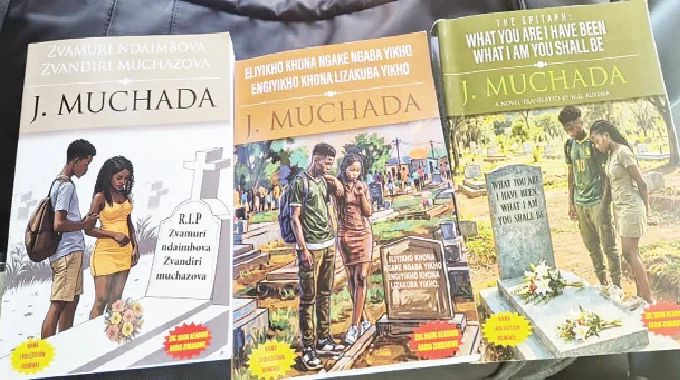
Dr Mnangagwa made the call at the launch of Zvamuri Ndaimbova, Zvandiri, Muchazova, a book by young author Josiah Muchada, at the Heritage Village in Harare last Saturday.
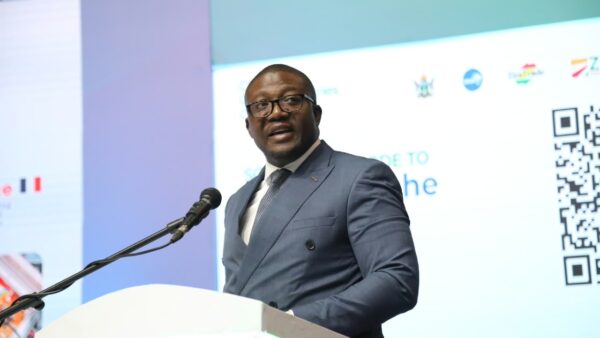
In a speech delivered on her behalf by the Minister of Primary and Secondary Education, Professor Torerai Moyo, Dr Mnangagwa said writing helped preserve knowledge and experiences beyond the generations that produced them.
“Through writing, we are able to create a conversation between the present and the future,” she said.
The First Lady said every young person had a story to tell, with valuable lessons drawn from the classroom, family, community and wider society.
“I would like to encourage our students to document their knowledge, their experiences, their observations and their ideas,” she said.
Dr Mnangagwa said books remained important sources of knowledge despite advances in digital technology, urging Zimbabweans to embrace both traditional and modern methods of preserving information.
“Rather than seeing books and technology as competing forms of information storage, we should embrace them as complementary tools that allow us to preserve and disseminate knowledge in different ways,” she said.
Dr Mnangagwa said writing was also critical to preserving indigenous languages and strengthening heritage-based education.
“Our languages carry our identity, our worldview and the wisdom of generations before us, and writing provides one of the means through which that heritage can be preserved and passed on,” she said.
The First Lady urged publishers and the wider literary sector to identify and nurture emerging writers, saying young people needed opportunities to develop their talents and share their work.
“The next generation of Zimbabwean writers is sitting in our classrooms, our universities and our communities today. Some are already writing stories, poems, research papers and other works, while others may simply need someone to tell them that their voice matters and that their ideas are worth putting on paper,” she said.
The First Lady also highlighted the role of literature in addressing social challenges affecting children and communities, including drug and substance abuse, teenage pregnancies, child abuse, gender-based violence, toxic relationships and premature school dropout.
Dr Mnangagwa said books provided a platform for society to discuss these challenges, understand their consequences and explore possible solutions.
“The book we are launching today is especially significant because it engages with issues affecting young people and communities,” she said.
Dr Mnangagwa urged parents and guardians to remain actively involved in their children’s lives by listening to their concerns, providing guidance and identifying behavioural changes that might signal difficulties.
“Children need guidance, discipline, encouragement and protection,” she said.
“They need parents who are willing to have difficult conversations with them and help them understand the consequences of the choices they make.”
The First Lady also called on teachers to go beyond academic instruction by mentoring learners and working with parents and other stakeholders to support children experiencing challenges.
Dr Mnangagwa said the responsibility of raising responsible young people extended beyond families and schools to the wider community.
“The development of our children is a shared responsibility that requires the involvement of families, schools, communities, traditional leaders, churches, the private sector and other stakeholders,” she said.
Turning to national development, the First Lady said Zimbabwe needed to strengthen its documentation culture as it works towards Vision 2030.
“Our national development story should not only be recorded through official documents and statistics; it should also be reflected in the voices and experiences of ordinary Zimbabweans,” she said.
Dr Mnangagwa said farmers, teachers, students, researchers, artists, entrepreneurs and community leaders all had valuable experiences that deserved to be documented.
“Future generations should be able to look back at this period in our history and understand not only what Zimbabwe achieved, but also the challenges we faced, the choices we made and the lessons we learnt along the way,” she said.
Dr Mnangagwa congratulated Muchada for writing the book while studying for his Advanced Level at Eagleruse College in Glen Norah, Harare.
She encouraged other students to follow his example by reading widely and expressing their ideas through writing.
“Do not assume that your age prevents you from contributing to the national conversation,” she said.
“Josiah Muchada has demonstrated that a student can write a book that reaches beyond the school environment and contributes to discussions that affect society.”
Dr Mnangagwa expressed hope that his achievement would inspire other young people to become authors, researchers and producers of knowledge.
“As we celebrate this book, let us therefore recommit ourselves to building a Zimbabwean society that reads, writes, researches and documents,” she said.
Muchada said he was inspired to write the book after witnessing young people struggle with drug and substance abuse, peer pressure, school dropouts and teenage pregnancies.
“I had no money to give and no position of authority to influence others. But I had a pen, ideas and a desire to make a difference,” he said.
He said he decided to use writing to encourage fellow young people to reflect on their choices and believe in a better future.
Muchada said writing the book while pursuing his Advanced Level studies was challenging, as he had to balance schoolwork with nearly eight months of writing and rewriting.
“There were moments when I felt overwhelmed, but the thought that my words might encourage another young person kept me going,” he said.
The young author said his experience had taught him that young people did not have to wait until they were older or established to pursue their dreams.
“We can begin with what we have, wherever we are,” he said.
He also thanked Sahara Publishers for believing in his work and translating the book into English and isiNdebele, adding that plans were in place to translate it into other indigenous languages.
Addressing fellow young people, Muchada urged them not to allow their age, peer pressure or personal circumstances to limit their ambitions.
“If you have an idea, develop it. If you have a story, write it. If you have a dream, take the first step towards achieving it,” he said.
He said he hoped the book would encourage responsible choices and inspire meaningful conversations among parents, teachers and communities.
“If these pages can encourage even one young person to change direction, pursue an education or believe in their future again, then my purpose as an author will have been served,” he said.
Chief Nechombo commended the First Lady for championing cultural preservation, family values and the welfare of children through the Angel of Hope Foundation and her various social development programmes.
He cited initiatives such as Nhanga, Gota and Ixhiba, Nharirire yeMusha and Not in My Village as important in guiding young people, strengthening families and addressing harmful practices.
“Our message must be clear and uncompromising: no child marriage in my community; no drug abuse in my community; no gender-based violence in my community; and no corruption in my community,” he said.
Chief Nechombo said Muchada’s book demonstrated how literature could educate society, challenge harmful behaviour and inspire young people to make responsible choices.
He urged traditional leaders to work with families, schools, churches and other stakeholders to protect children, preserve positive cultural values and promote responsible behaviour.
The book was nominated for the 2025 National Arts Merit Awards in the First Published Work category and is featured on ZBC Radio Zimbabwe’s weekly book-reading programme.
Participants at the launch commended the First Lady’s initiatives to preserve Zimbabwe’s cultural heritage and promote the development of young people.