

 Online Reporter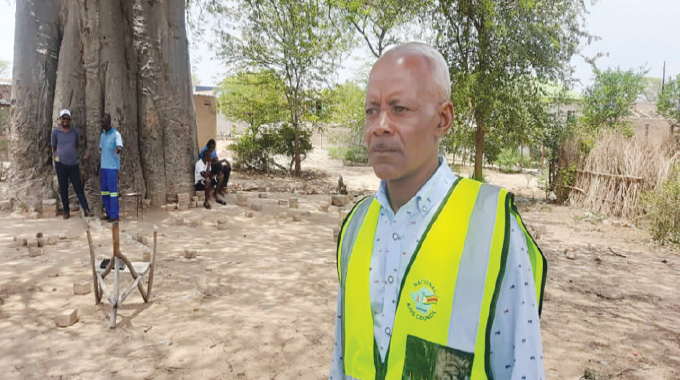
Robin Muchetu recently in Binga
SIMATELELE, under Ward 8 in Binga District, Matabeleland North Province, is renowned for its abundance of fresh fish from the Zambezi River, a lifeline that sustains hundreds of families through fishing and trade.
Yet this thriving industry carries a heavy cost. The influx of fish traders from across Zimbabwe has brought money and opportunity, but it has also fuelled a rise in HIV and sexually transmitted infections (STIs), threatening the district’s hard-won progress in HIV prevention.
According to the National Aids Council (NAC) 2024 HIV Estimates Report, Matabeleland North has an HIV incidence rate of 0,13 percent, with Binga District recording the lowest in the country at 0,06 percent. The district also boasts the lowest HIV prevalence rate at 5,1 percent, compared to the national average of 9,8 percent and the provincial rate of 11,4 percent.
Despite these encouraging figures, health authorities warn that increased interaction between fishermen and visiting traders, particularly women, poses a new challenge in containing infections. NAC’s behaviour change community motivator, Mr Vincent Munkuli, who leads the male engagement programme, said riverbank trading hubs have become hotspots for risky sexual behaviour.
“On the side of the river where there are fishing camps, many traders come to buy fish, and sexual activity often takes place there.
“Male engagement has helped men prevent HIV infection through their interactions with traders. We faced challenges with STIs and educated men on how to protect themselves by using condoms. We introduced groups to share information and conducted door-to-door campaigns along the river,” he said.
Mr Munkuli said the male engagement model has helped fishermen access vital information and health services.
“Many men now understand the importance of HIV testing. We once assisted a trader from Bulawayo who sought help for an STI infection — he was treated — but others are not as forthcoming and end up spreading the virus,” he said.
The programme does not condemn relationships between fishermen and traders but advocates for safer sexual practices and mutual testing.
Local fisherman Mr Moffat Mwembe from Zingozo Village said the sessions have been life-changing.
“We have learnt how HIV is transmitted and how to protect ourselves. I now visit the clinic for testing and to collect condoms — we’ve been empowered through knowledge,” he said.
Under the Male Engagement Model, groups of 20 men meet monthly with a mentor to discuss HIV, STIs and other health issues. The approach aims to improve men’s health-seeking behaviour, which is often poor due to cultural and social barriers.
Another fisherman, Mr Bernard Munkuli, said while awareness has improved, the risk remains high due to constant interactions with traders from different provinces.
“We are at a danger point. Many women come here to buy fish and some men end up cohabiting with them. Because they don’t know their HIV status, they risk getting infected,” he said.
Mr Munkuli added that the mentorship programme encourages couples to get tested together before starting relationships, and many men are now taking this seriously.
“We welcome the fish traders because they boost our incomes, but we must protect ourselves and our families. HIV doesn’t only affect us here — some traders can also take the virus back to their home provinces,” he warned.
Through continued engagement, NAC hopes communities like Simatelele will continue to benefit from the economic gains of the fishing industry without losing ground in the fight against HIV and STIs.


 Bongani Ndlovu