

 Chronicle Editor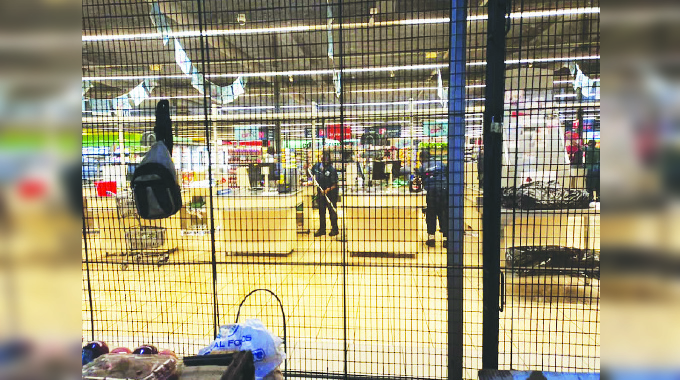
Patrick Chitumba, [email protected]
ON Saturday, April 6, a heavy downpour lasting approximately 96 minutes pounded the City of Gweru.
Businesses were left counting their losses after flash floods surged into shops like Pick and Pay and Stake and Chips in the city forcing them to close early as employees battled to remove the water with brooms and mops.
Traffic congestion also plagued the roads as streets became flooded. Pedestrians were forced to remove their shoes to navigate the inundated streets.
The flooding of shops and roads is being blamed on Gweru’s poor drainage system and improper waste disposal into the city’s drainage system and other waterways.
Gweru United Progressive Residents and Ratepayers Association director Pastor David Chikore recounted how, around 1992, the Gweru City Council (GCC) installed a storm water drainage system along all roads bordered by Leopold Takawira and Lobengula Avenues. He further explained that underground drainage pipelines were installed to channel storm water into the Gweru River.
“Before that project, which was implemented by W G B Kinsey, the coming of the rains was terrible news for people using the city centre roads because for one to be able to cross for example RG Mugabe road from OK going to Barclays Bank one was forced to remove their shoes and socks before crossing that road barefoot,” said Pastor Chikore.
Installed in 1992, the storm water drainage system brought relief to CBD commuters, eliminating rainy-season navigation struggles. But that is no longer the case now.
“Up to now I can’t understand why the Gweru City Council is failing to prioritise this very crucial issue of clearing the CBD streets of storm water when the rains come,” said Pastor Chikore.
Midlands State University Local Governance lecturer, Mrs Virginia Makanza, described the scene as harrowing, with residents struggling to navigate flooded streets.

“The flow of traffic slowed down and some roads came to a complete halt, leading to congestion and delays. Driving through flooded streets was bad for vehicles because the water was concealing potholes, debris or other hazards, causing damage to tyres, suspension systems or even the engine if water is drawn into it. Our roads are full of potholes,” she highlighted.
Mrs Makanza highlighted the hazards posed by flooded streets to pedestrians.
“Prolonged flooding can lead to structural damage to buildings and infrastructure. Water can seep into foundations, weaken structures and cause erosion of soil or pavement. Over time, this can result in cracks, subsidence or even collapse of roads, bridges and buildings. Flooded streets often contain stagnant water, which serves as a breeding ground for mosquitoes and other disease-carrying insects.
“The presence of standing water also increases the risk of water-borne diseases and contamination. Sewage systems may be overwhelmed, leading to the overflow of sewage into streets, further exacerbating health hazards,” she said.
Mrs Makanza attributed the flooding to the CBD’s insufficient drainage infrastructure. She explained that the existing system, including gutters, storm drains and underground pipes, is either inadequate or poorly designed, leading to water accumulating on the streets.
“The system did not have enough capacity to handle heavy rainfall or may be clogged with debris, causing water to pool on the surface. Debris such as leaves, trash, or sediment can obstruct the flow of water in drainage channels, gutters and storm drains. When these pathways are blocked, water cannot enter the drainage system efficiently, leading to flooding on the streets,” she said.
Mrs Makanza criticised the GCC’s inaction on storm drain maintenance, highlighting the recurring issue faced by residents year after year.
“When a city fails to maintain storm drains, it can lead to various problems and exacerbate the risk of flooding. Storm drains are designed to effectively collect and channel rain water away from streets and urban areas. However, when storm drains are not properly maintained, they can become clogged with debris, such as leaves, trash and sediment. This reduces their capacity to handle rainfall, leading to water backing up on streets and contributing to flooding,” she said.
Mrs Makanza warned that flooding caused by inadequate storm drain maintenance can inflict widespread damage. Water infiltration into buildings can cause structural problems, ruin belongings and foster the growth of mould and other water-borne issues. Furthermore, essential services like transportation, utilities and emergency response are also hampered during floods.
“Flooding impacted on businesses and the local economy, as flooded streets deterred customers from buying, causing financial losses for local establishments,” she said.
To prevent future flooding, Mrs Makanza underlined the importance of prioritising regular storm drain maintenance by GCC. This should include frequent removal of leaves, trash and sediment to ensure proper drainage function and prevent blockages. Additionally, she urged the GCC to invest in upgrading and expanding the drainage system. This could involve installing larger pipes, implementing improved storm water management practices and establishing a consistent maintenance programme. These measures would significantly enhance the system’s capacity to handle rainfall, ultimately mitigating flood risks.
“Above that the local authority should introduce sustainable urban drainage systems (SUDS).
Implementing SUDS involves incorporating features like green roofs, permeable pavements, rain gardens and retention ponds to manage and slow down storm water runoff. These systems promote natural infiltration and reduce the burden on drainage infrastructure. Proper grading of roads, strategic placement of drainage infrastructure and preservation of natural waterways can improve overall drainage efficiency,” she said.
Mrs Makanza stressed the importance of public awareness and education campaigns on responsible waste disposal and the critical role of clear drainage pathways. Highlighting the potential consequences of urban flooding can foster a sense of community responsibility and encourage residents to actively participate in flood prevention efforts.
“By working together and adopting responsible practices, communities can significantly reduce the risk of flooding and create more resilient urban environments. Proper disposal of waste, including trash, leaves and other debris, is crucial in preventing the clogging of drainage systems. The public should ensure that waste is appropriately disposed of in designated bins, rather than allowing it to accumulate in streets or drainages,” said Mrs Makanza.
Mrs Makanza emphasised public support for sustainable urban practices as critical. This includes advocating for the implementation of permeable surfaces, green infrastructure and water conservation measures.
“Vendors, particularly those operating in outdoor markets, should ensure proper waste management practices. They should provide sufficient waste bins and regularly dispose of waste in designated areas to prevent waste from accumulating and potentially obstructing drainage systems. Vendors should take precautions to prevent the release of pollutants into storm water runoff. This includes properly handling and storing chemicals, oils and other substances to minimise the risk of contamination in case of flooding,” said Mrs Makanza.
Gweru Mayor, Councillor Martin Chivhoko expressed his disappointment that the town keeps facing flash floods.
“Our roads engineering team is constantly unclogging these drainages but many times we realise that they are flooded again. The major problem is that the drainages will be clogged. We therefore call upon our valued residents to desist from dumping waste in drainages. As we unclog the drainages we come across cardboard boxes and sacks. Traders are encouraged not to keep their wares in drainages as these have also led to drainage blockages,” he said.
Clr Chivhoko said they are looking for a lasting solution to prevent flooding in the CBD.
“We are looking at revamping the entire city’s drainage system once funds permit. We recently received tar for our roads and the team is now patching the potholes with tar instead of gravel as they have been doing,” he said.


 Online Reporter
 Bongani Ndlovu