Moffat Mungazi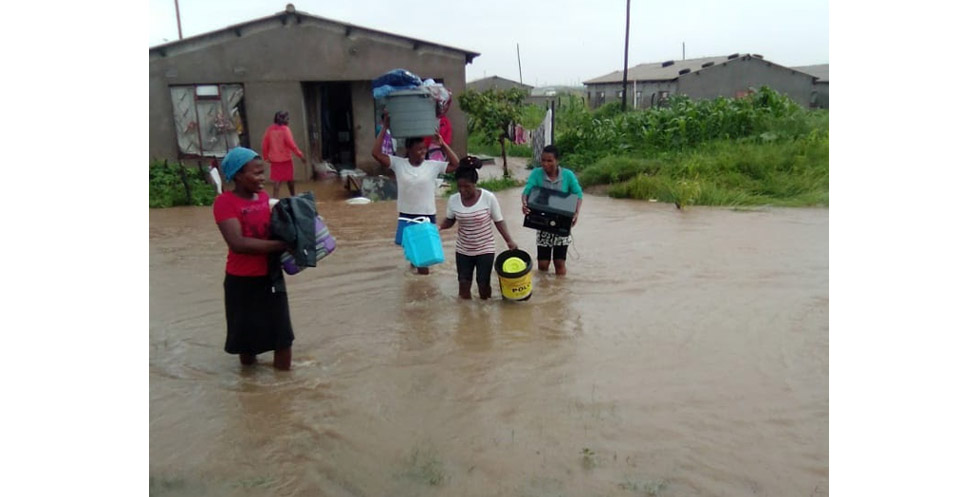
Ray Bande
Senior Reporter
IN the past, when letters sent via stamped envelopes were a primary means of communication, taking days to arrive, floods frequently devastated low-lying areas such as Chibuwe in Chipinge District in Manicaland and Muzarambani in Mashonaland Central.
Not anymore, as times have changed!
Nowadays, floods are generally more severe and widespread than in the past, primarily due to climate change and human factors.
According to the Environmental Defence Fund, a global non-profit organisation addressing climate change, the frequency and intensity of heavy rainfall have increased, while urbanisation and alterations to natural landscapes have amplified their impact.
The onset of 2025 was marred by torrential rains in the agricultural town of Chipinge, resulting in widespread flooding that flooded shops, homes, and even the Central Business District.
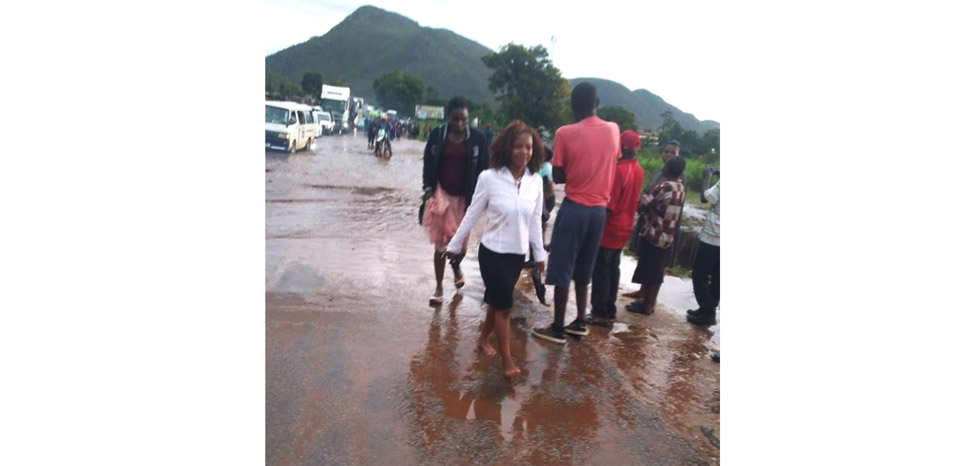
Shortly thereafter, Mutare experienced similar devastation, with industries in the Nyakamete area struggling to cope with floodwaters that submerged warehouses and production facilities, while roads in Sakubva became impassable.
From a scientific perspective, it is evident that inadequate urban spatial planning, coupled with an antiquated drainage system and discernible impacts of climate change, have collectively exacerbated flooding in urban areas.
Chief Director-Climate Change Management and Meteorological Services in the Ministry of Environment, Climate and Wildlife, Mr Washington Zhakata said: “Most of the existing urban drainage infrastructure was designed a long while ago, before climate change was apparent.
‘‘The rainfall intensities and volumes of runoff or discharge experienced were much lower than what is being currently experienced due to climate change. As a result of climate change, we have observed increased incidences of high intensity rainstorms, sometimes characterised by strong winds, lightning and thunder.
“The existing infrastructure cannot timeously and safely channel the generated runoff, resulting in flash flooding in urban areas. In other words, the high intensity storms and resultant runoff overwhelm urban drainage systems, especially in densely built areas with limited permeability, resulting in flash flooding.”
Several factors have worsened urban flooding in the country and the these include rapid urbanisation.
“The increase in rural to urban migration has resulted in the build-up of more concrete surfaces and loss of green spaces in urban areas which reduce natural water infiltration. Some drains are blocked with matter such as solid waste, over-grown grasses, especially in urban areas due to poor waste management resulting in blocked waterways and drains.
“Deforestation and wetland loss in urban areas is also a huge factor. Wetlands have a flood attenuation function which is generally lost when they are drained or converted to other uses,” he said.
Climate change has changed rainfall variation and intensity, resulting in heavy downpours that cause flash flooding, worsened by poor drainage infrastructure, poor lining and inadequate capacity to safely channel runoff.
Mr Zhakata added: “Poor settlement planning has also worsened the challenge. Settlement in low lying areas, wetlands, waterways and floodplains are usually at very high risk.”
Having seen and experienced the problem, the question is what can be done to redress the situation?
“There is need to upgrade and maintain drainage systems towards effective drainage of runoff from the heavy downpours currently being experienced.
There is also need for improved urban or spatial planning, ensuring that low lying areas, wetlands and floodplains are free of human settlement to avoid flooding. These can be used for recreation among other functions.
There is undeniable need to factor current climate parameters into infrastructure designs to avoid flooding. Communities must preserve and restore wetlands towards maintain their flood attenuation function.
“Through our local authorities, there is need to implement sustainable waste management to prevent blockage of drainage systems as well as making use of technological tools such as GIS mapping, flood forecasting models that help monitor and mitigate flood risk.
‘‘Local authorities need to find ways to review and enforce by-laws,” said Mr Zhakata.
Sustainable Development consultant, Ms Anna Brazier weighed in, saying: “Greenhouse gas emissions from human activities are causing global warming – increased temperatures in the atmosphere and oceans. This is leading to changes in weather patterns and the long term climate across the globe.
‘‘This climate change leads to increased extreme events such as droughts, dry spells, heatwaves at some times and increased intense rainfall, storms, cyclones and flooding at other times.”
Ms Brazier noted the challenges in weather prediction as a result of global warming weather disruptions.
“It is becoming harder and harder for meteorologists to predict the weather that will be experienced in different areas at different times because the natural weather cycles and patterns are being disrupted by global warming.
‘‘Climate computer models project that in Zimbabwe, generally annual average temperatures will increase above the global average increase and rainfall will decline.”
Different regions of the country will be affected differently by the shifting weather patterns.
Local meteorologists have observed disruptions to normal temperature and rainfall patterns.
A cursory examination reveals that the rainfall season now typically commences later and concludes earlier, with a heightened likelihood of mid-season dry spells.
Furthermore, when rainfall does occur, it often arrives in the form of intense storms characterised by strong winds, thunder, lightning, and occasionally hail.
“Flooding occurs when the soil is not able to absorb the amount of heavy rainfall in an area. Flooding is more likely to occur in low-lying areas near to rivers and wetlands,” she said, conceding that in recent years, urban areas have not coped well with intense rainfall events.
This problem is made worse because the cities have not been designed to cope with such heavy rains.
“As populations have increased and the economy has expanded, with more buildings, roads and car parks, there is less provision for the drainage of water. Poor management of cities has exacerbated this problem. Poor waste management has led to clogging of the cities’ drainage system such as culverts, streams and drains with waste and soil. Poor regulation of buildings and development has led to housing and shopping centres being built on wetlands and stream banks which are prone to flooding.
“Poor design of buildings, roads and other paved areas does not make provision for excess water to drain off areas leading to flooding. Degradation of streams and wetlands due to inappropriate buildings and agriculture means that less water can flow into these areas which used to regulate floods naturally,” she said.
What can be done to redress the situation?
To address this issue, several measures can be taken.
“City planners and authorities must improve policies and enforce existing legislation governing urban developments and activities. Wetland and riverine areas must be protected. However, there is need to protect and manage these areas in ways that benefit people otherwise the protection will continue to be abused by people who are desperate to make an income through farming or building homes on cheap, illegally allocated land or greedy, unscrupulous developers.
“Ways must be found to protect and manage these areas through designated, maintained recreational areas, green thoroughfares for cyclists and pedestrians, nature reserves, and biodiverse, organic wetland-friendly urban agriculture (where appropriate).
‘‘Tree planting and creating green spaces such as parks throughout towns and cities also contributes to water infiltration. Specially controlled city allotments for urban agriculture should be set up on unused municipal land.
‘‘These will increase food production and incomes while improving rainwater infiltration. Buildings and roads in urban areas must be designed with water-harvesting in mind,” said Ms Brazier.
Mutare City Council seems to be taking that direction.
Mutare City Town Clerk, Mr Blessing Chafesuka said: “We will be meeting stakeholders to discuss a possible innovation in which we funded residents to set up a food forest along Sakubva River which will benefit those currently cultivating along the river banks.
‘‘This is our proposal to attract support from current steam bank farmers. If we can empower them to put crops which they can individually own and benefit from and consequently they can support, the food forest will provide vegetation in the process protecting the environment while providing fruits that can be sold for money.”
Ms Brazier weighed in saying: “This means constructing water harvesting structures such as swales and retention dams, and reducing impermeable surfaces to increase the ability for water to infiltrate into the soil.
“This will reduce flooding and replenish the groundwater soil store, improving the growth of trees around the city and other plants. In some areas (though unfortunately not all), it will also contribute to recharging aquifers which in turn will increase the capacity of boreholes making more water available to households that depend on boreholes. For example, it is estimated that currently 80 percent of Harare’s water comes from boreholes which are not being recharged.
‘‘When this water runs out (as it is in many places) there will be a major crisis in the city. Waste management must be tackled. Most local authorities cannot fulfil their mandates for a variety of reasons.
‘‘Therefore, community level committees must be set up to tackle these issues at the micro-local level becoming custodians of green areas, wetlands, waste management projects and policing abusers.”
As the beat goes on, flooding in urban settings assumes the new face of climate change in our cities and town!


 Online Reporter