Online Reporter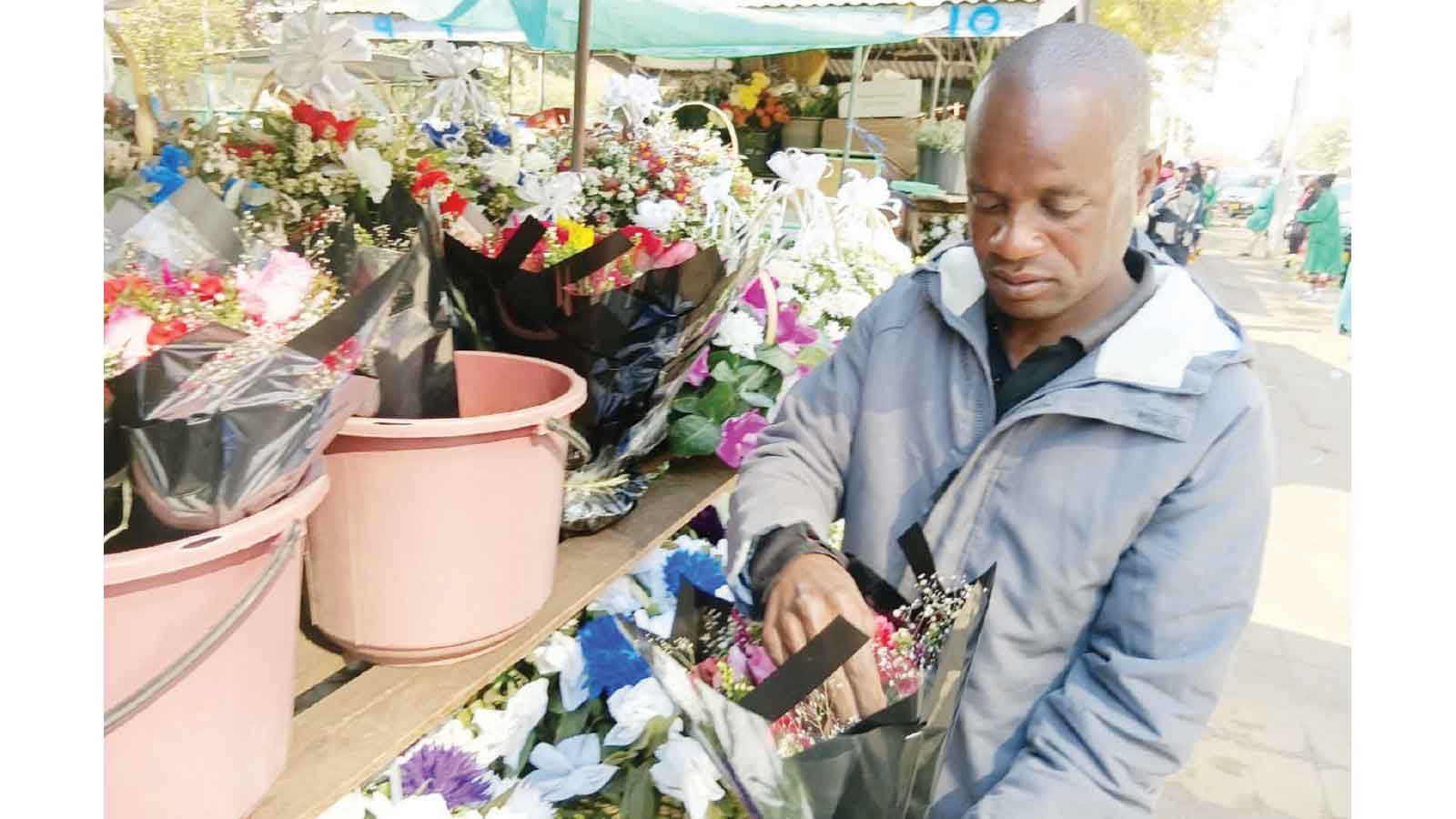
Trust Khosa
Lifestyle Senior Writer
In life, there are some traditions that remain deeply rooted, refusing to fade despite the passage of time and changing lifestyles.
While modernisation and technological advancement continue to reshape societies across the world, many cultural practices have endured for generations, serving as enduring symbols of identity, remembrance and respect.
One such tradition is the honouring and maintenance of the gravesites of departed loved ones — a practice that continues to unite families and communities across Zimbabwe and beyond.
Whether we like it or not, change is inevitable, but culture remains the thread that binds generations together.
These beliefs have survived for centuries despite the rapid transformation of the modern world.
Westernisation has also failed to erase many traditional practices that have defined communities for generations.
One such custom that has stood the test of time is sprucing up the gravesites of departed loved ones.
Gravesites are held in high esteem across the world.
In some countries, millions of dollars are spent preserving the resting places of influential figures who shaped their nations’ histories.
In Christian tradition, many pilgrims visit Golgotha in Jerusalem, revered as the site of Jesus Christ’s crucifixion and burial.
In Islam, the Prophet Muhammad’s resting place in Medina, within Al-Masjid an-Nabawi, is regarded as one of the religion’s holiest sites, while Mecca, his birthplace, remains the spiritual centre of Islam.
These practices of honouring the birthplaces and burial sites of revered figures are difficult to ignore. Rather than diminishing such traditions, technological advancement has enhanced the appearance and preservation of many of these sacred places.
Zimbabwe has not been left behind.
In recent years, maintaining and beautifying the gravesites of departed relatives has become increasingly common, with many families investing significant resources in ensuring their loved ones’ final resting places remain dignified.
August, widely regarded as Heroes Month in Zimbabwe, is one of the busiest periods for such activities.
Families from across the country reunite to honour their departed relatives, celebrate their legacies and share cherished memories.
For many, it is also the preferred time to unveil tombstones or headstones.
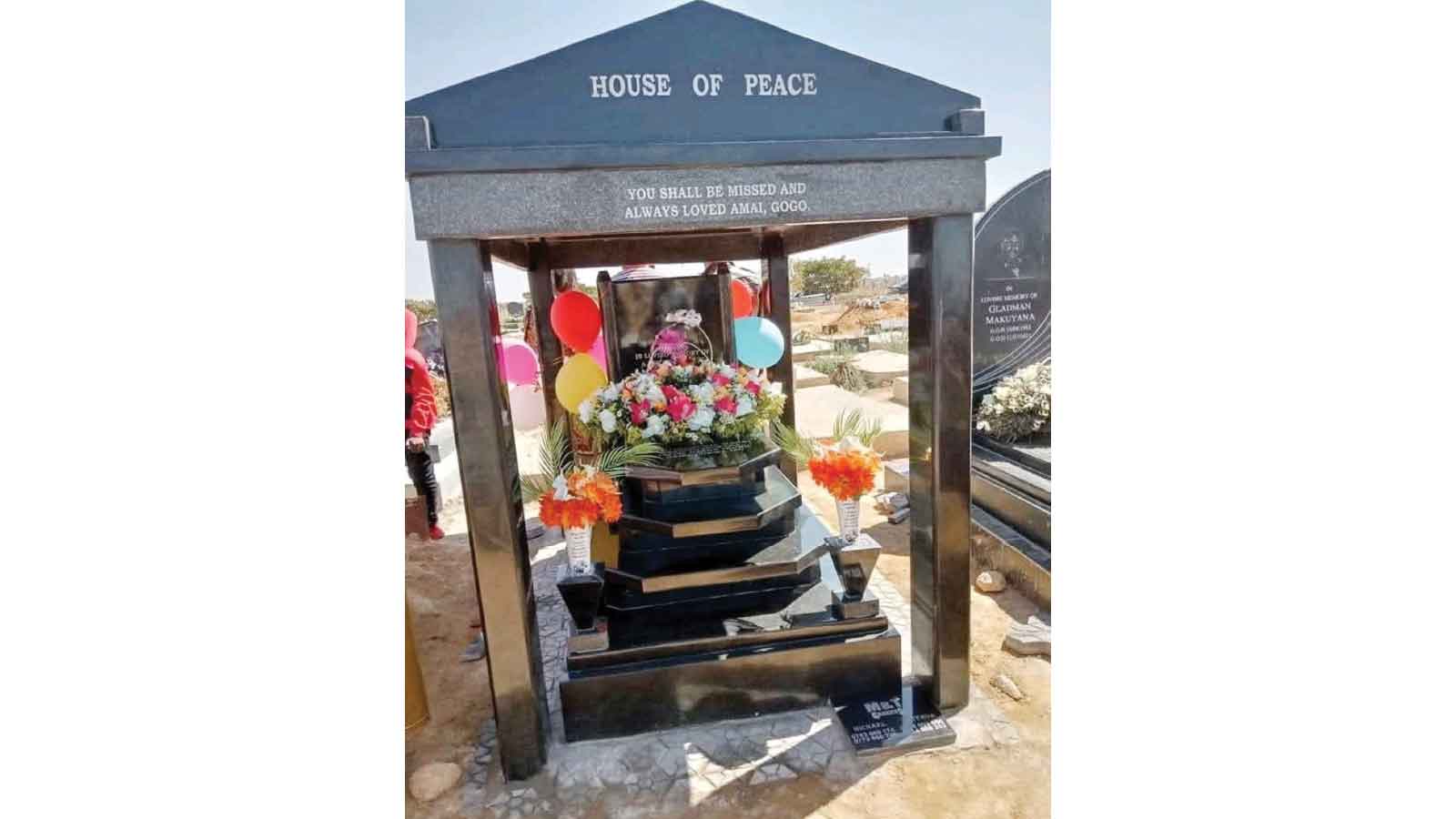
Florists, tombstone manufacturers and landscapers often experience increased business during this period. Tombstones and memorial decorations are available in a wide range of sizes, designs and prices, catering for different tastes and budgets.
Some families have gone a step further by erecting elaborate tombstones complete with decorative fencing, paving, flower gardens and other modern finishes, transforming gravesites into lasting memorials that reflect the status and legacy of the deceased.
Beyond preserving family history, these gravesite renovations have also created economic opportunities for local artisans, stonemasons, welders, florists and landscapers, whose services are in high demand during Heroes Month.
What was once a simple act of remembrance has evolved into a thriving seasonal industry that supports many livelihoods.
This is what August has come to represent for many Zimbabweans.
The Herald on Saturday Lifestyle has monitored this growing trend over the years, and it shows no signs of slowing down.
It has become a defining feature of August, with many people placing greater value than ever before on preserving the dignity and appearance of the final resting places of their loved ones.
Across cemeteries in Harare and other parts of the country, families are increasingly investing in quality tombstones, fresh flowers, wreaths and landscaping as they pay tribute to departed relatives. What was once a simple annual visit has, for many, evolved into a meaningful tradition that reflects love, remembrance and respect for those who have passed on.
With Heroes’ Month now upon us, several florists and tombstone designers have expressed their delight at how August has brought increased business.
“I don’t wish for people to die, but when they do, we will always cherish what they did for us, and our wish is to decorate their resting places,” said tombstone designer Mike Muchero, who runs a thriving sculpture garden in Warren Park, Harare.
“I started as a sculptor before moving into tombstone design because I realised that people deeply respect their departed loved ones.
“We are usually very busy in August, and I am grateful because, besides doing business, we also build lasting relationships with our clients.”
Muchero, who works alongside his family, said they take great pride in honouring the deceased through their work.
“To be honest, designing tombstones for the departed means a lot to us.
“By investing in beautiful gravesites, we are not only preserving history but also ensuring that those who have passed on continue to be honoured wherever they rest.
“We are all going to die one day, so it is important that our final resting places are well cared for,” he said.
He added that the growing appreciation for well-maintained gravesites has encouraged more young people to learn the art of stone carving and monument design. According to Muchero, the profession has become more than just a source of income — it is a way of preserving memories and celebrating lives well lived.
Similar sentiments were echoed by Tendai Mbofana, a renowned tombstone designer in Harare.
“Beyond this business boom, we are also making history as tombstone designers. We are embracing technology by not only designing tombstones but also installing QR codes on graves so that people can learn more about the deceased.
“My greatest satisfaction is that we are not only creating beautiful monuments but also adding dignity and honour to the gravesites,” he said.
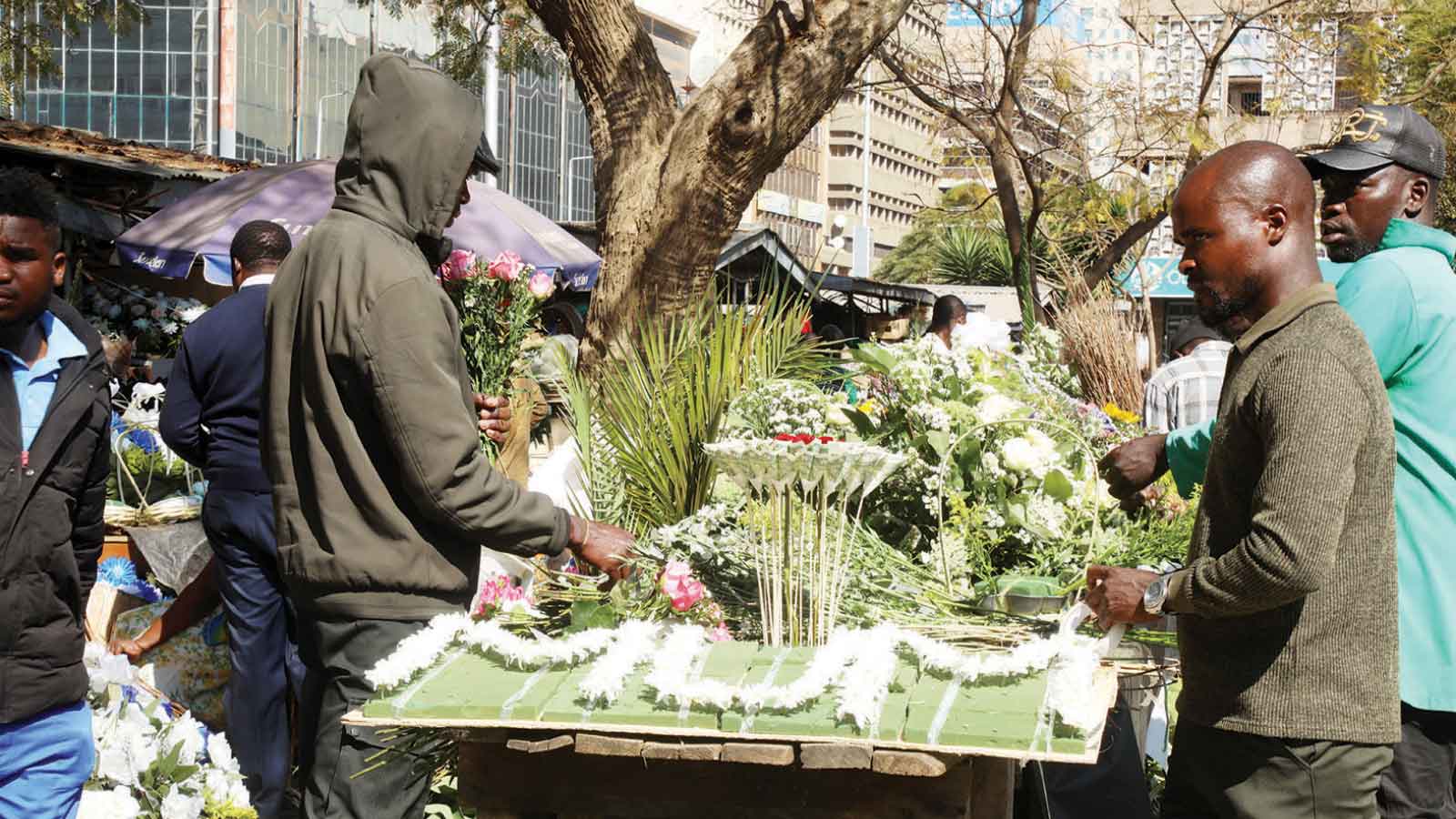
Florists operating in Harare said August remains their busiest month of the year.
“For your information, I have been in this business for 10 years, and August is always special to us,” said a florist who preferred to be identified only as Boss Anna.
“I learnt this trade from my father, who has since retired to concentrate on farming.
“I am happy that people are now embracing this tradition and showing greater respect for the departed.
“I sell both artificial and fresh flowers to cater for the different needs of my clients.
“My greatest wish is to ensure that we give the departed all the love and honour they deserve,” she said.
Another florist based in Harare said the demand for wreaths and floral arrangements always surges during August.
“We are working overtime, and what I cherish most is that we are playing our part in honouring those who have passed away.
“It gives me great satisfaction whenever people choose to celebrate the lives of their departed loved ones by purchasing our flowers.”
He also praised Zimbabweans for embracing the culture of decorating the final resting places of their relatives.
“There was a time when many people feared visiting cemeteries, but today I am pleased to see families beautifying gravesites and keeping the memories of their loved ones alive,” he said.
After all is said and done, August remains a deeply significant month in Zimbabwe—a time when the nation honours its heroes while families also remember and celebrate relatives who have passed on. The growing culture of maintaining and beautifying gravesites has become a powerful expression of love, gratitude and remembrance.
By decorating the gravesites of the departed, Zimbabweans are not only preserving cherished memories but also documenting history for future generations.
It is a tradition that continues to unite families, strengthen cultural values and ensure that those who came before us are never forgotten.