Online Reporter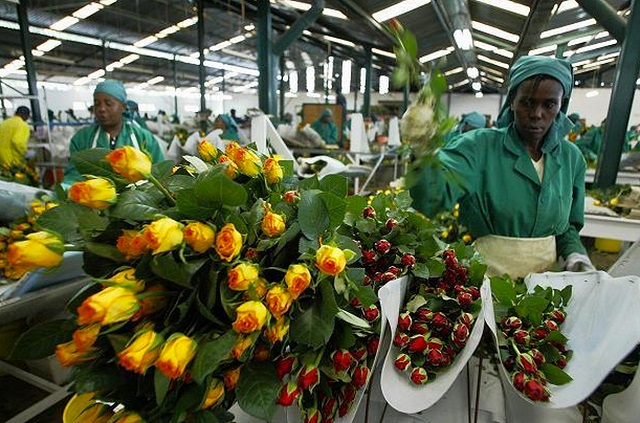
Edgar Vhera-Specialist Writer, Agribusiness
ZIMBABWE earned US$4,2 million from flowers exports in 2024, an increase of 18 percent from US$3,6 million recorded in 2023.
This comes as the country is targeting a US$1 billion horticulture export industry by 2030.
Statistics from the Zimbabwe National Statistics Agency (Zimstats) show that flower exports grossed US$4 205 728 in 2024 compared to US$3 556 832 the previous year.
The volume of flower exports grew 11 percent, from 2 117 215kg in 2023 to 2 344 225kg last year.
The average price rose seven percent from US$1,68 to US$1,79 per kilogramme.
Zimbabwe exports fresh roses and other cut flowers, foliage, branches and other parts of plants without flowers to different destinations.
The 2024 horticulture investment forum hosted by the HDC revealed that the summer flower and roses sub-sector was under 130 hectares and was targeting to grow that to 930 by 2030.
An investment of US$45 600 000 is required to achieve this hectarage and 4 650 jobs will be created.
Currently, summer flower and roses production is 40 320 tonnes, valued at US$39 347 200.
The floriculture industry is targeting an annual export value of US$276 979 200 by 2030.
The national trade development and promotion agency, ZimTrade recently revealed that floriculture was proving to be a viable and high-value enterprise for farmers willing to learn and adapt.
Flowers are high-value crops that can be grown on small plots of land and, if managed correctly, can yield significantly higher returns than most food crops.
“With proper support, organisation and access to markets, small-scale producers can thrive in the flower industry,” said ZimTrade.
Government instituted the Horticulture Recovery and Growth Plan (HRGP) in 2020 as a bold and transformative plan anchored on rural horticultural agro-industrialisation, enhanced nutrition and developed food systems, increased incomes, while growing conventional horticultural enterprises.
It has the floriculture recovery and growth (FRGP) programme.
The export flower project, under the FRGP, will target large farms with capacity to raise capital while taking advantage of local capacity for the supply of breeding stock for propagation of flowers in Zimbabwe.