Online Reporter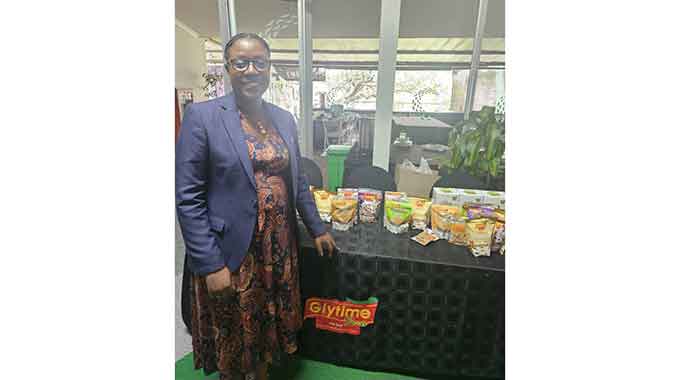
Sifelani Tsiko-Fact Check Editor
A three-day Food Innovation Conference that aims to advance the country’s food systems to be innovative, sustainable, inclusive and resilient has started.
This conference, which will run from March 31 to April 2, is being held under the theme: “Sustainable Food Innovative Approaches for the Future.”
The Harare Institute of Technology (HIT) is hosting this conference, which has attracted various government agencies, companies, universities, food safety and standard regulators, as well as researchers.
“This theme speaks directly to some of the most urgent challenges of our time,” said Dr Melody Ndemera, head of Food Processing Technology at Harare Institute of Technology.
“This theme calls upon us to rethink how we produce, process, distribute, and consume food in a world that is changing faster than ever before.”
The conference will explore key drivers that lead to successful food innovation, obstacles and challenges that need to be overcome.
Discussions will centre around key challenges in food innovation – climate change, sustainable natural resource management, agricultural productivity and soil health.
Experts will also discuss food and nutrition security and diet – related non-communicable diseases.
“The impacts of climate change are no longer distant projections—they are our lived reality,” said Dr Ndemera.
“Across Zimbabwe and the broader Southern Africa region, we are witnessing increasingly erratic rainfall patterns, more frequent droughts, shifting growing seasons, and rising temperatures.”
These changes, she said, are disrupting agricultural productivity, threatening biodiversity and placing immense strain on water and soil resources.
“Livelihoods are at risk, household food security is under pressure, and vulnerability continues to grow,” the HIT food technology expert said.
“Closely linked to this is the pressing issue of food and nutrition security.”
While progress has been made in improving the country’s food systems, many people still grapple with reliable access to safe, nutritious, and affordable food.
A rise in non-communicable diseases, urbanisation, a growing population, evolving dietary needs, declining soil quality and erratic rainfall remain a significant challenge for the country.
“As we confront these realities, the question before us is clear: How do we build food systems that can withstand these shocks while continuing to nourish our populations? asked Dr Ndemera.
“Innovation is no longer optional—it is essential. It used to be said that the future belongs to those who are ready to adapt, but now more than ever, we are realising that the future belongs to those who can readily adapt and innovate!
Harnessing new and emerging technologies, such as biotechnology and artificial intelligence, could help open up new frontiers to bolster the country’s food systems.
Last year, Zimbabwe launched its Agriculture, Food Systems and Rural Transformation Strategy (2026–2030) that aims to enhance food sovereignty, modernisation, and sustainable agriculture. The policy aims for a billion-dollar agriculture industry by promoting climate-smart practices, value addition, and agro-processing investments.