

 Online Reporter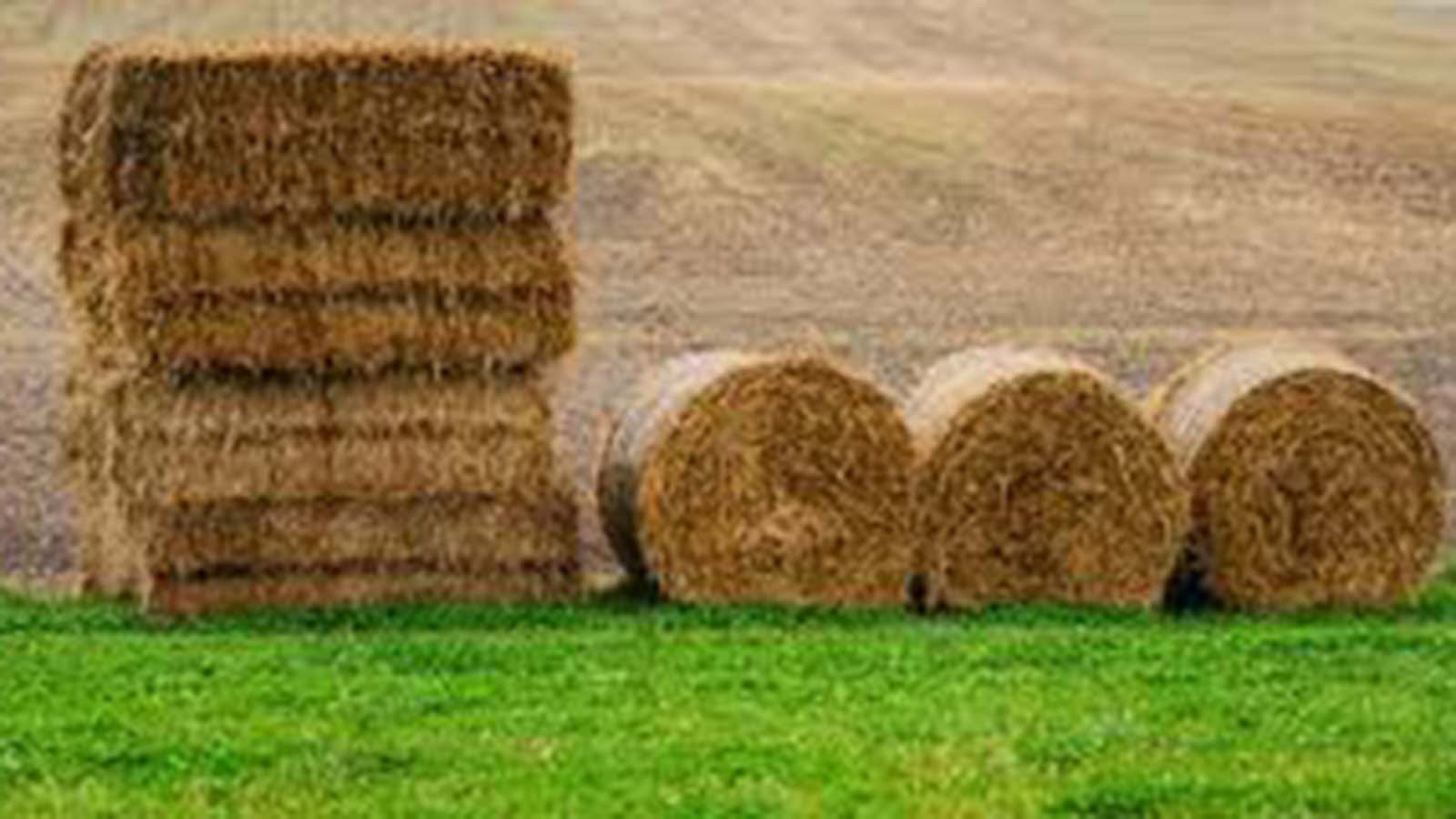
Edgar Vhera
Specialist Writer – Agribusiness
GOVERNMENT has urged livestock farmers to prioritise silage making for late-planted and hay baling to preserve nutritional value and ensure enough stock feeds during the lean season.
Directorate of Veterinary Services (DVS) chief director, Dr Pious Makaya said farmers should take advantage of the available moisture to make silage for livestock.
Government has a hay bailing and silage programme to ensure the country has enough feed for livestock in the lean period when pasture quality deteriorates.
For fresh forage (late planted maize, sorghum or grass), farmers can make silage by cutting while still green and moist, then store airtight to ferment.
Grasslands Research Institute livestock research officer, Mr Marlon Chawarika said the period of lush abundance would soon be over as the rainy season was coming to an end.
The transition from the wet season to the dry winter months is the most critical management period in the livestock calendar.
“The ‘green drought’ is a phenomenon we often see when animals are surrounded by tall grass that has lost its nutritional value, leading to a silent drop in body condition.
“If we do not act now, before the first frost bites in cold places like Marondera or the pans dry up in the Lowveld, the cost to recover lost milk and meat production and fertility will be far higher than the cost of preparation,” he said.
There is need to understand the nutritional gap as the core challenge of the dry season is not just a lack of biomass, but a dramatic drop in protein and energy density in natural veld.
By May, the crude protein content of natural grasses can drop from a wet-season high of between 8 and 10 percent to three percent or less.
“A lactating dairy cow requires a diet with at least 14 to 16 percent crude protein to maintain production.
“Without intervention, rumen microbes cannot function efficiently, digestion slows down and intake drops, a recipe for disaster,” he said.
Mr Chawarika said those who have not finished silage making are already behind, but all is not lost.
“For those with late-planted maize or sorghum, harvest immediately while there is still moisture in the stalk.
“Aim for a dry matter content of between 30 and 35 percent and ensure your pits are compacted thoroughly to exclude oxygen as mouldy silage is not just waste, it is a toxin risk that causes abortion and reduced milk yields,” he said.
Mr Chawarika also said timing was critical for hay.
“We often see farmers cutting grass in June when it is already lignified and straw-like.
“You should be cutting now, while the grass is still transitioning. Even if it takes a bit longer to dry due to late showers, the nutritional value retained is worth the effort,” he said.
Matabeleland South renowned cattle breeder from Esigodini Mr Obert Chinhamo said the amount of biomass available was ideal for farmers to make hay and silage.
“The gospel of silage making is what we preach year in year out to all livestock farmers.
“It gives us that comfort zone come winter and this helps in the end with excellent conception rates,” he said.
As, result of high rainfall received in most parts of the country, a lot of grass was heavily leached.
Mr Chinhamo encouraged farmers to supplement with both phosphate and protein licks.



