

 admin
admin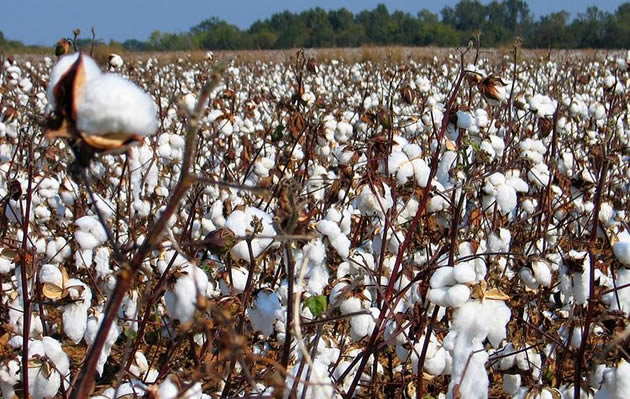
Conrad Mupesa-Mash West Bureau
THE introduction of a 75-percent United States-dollar retention on cotton sales has motivated growers, especially in Makonde and Hurungwe districts, Mashonaland West, who have vowed to increase the area under production.
Cotton growers have for long been calling for foreign currency payments just as was the same with what was happening in tobacco.
Some farmers were threatening to abandon cotton as they felt the US$10 they were getting per bale was not enough.
Thus the 75 percent foreign currency retention scheme has brought back the hope and zeal to many farmers to continue growing the “white gold”.
Mr Martin Bushe (39), a farmer and beneficiary of the Presidential Cotton Input Scheme from Alaska in Makonde, said getting a US dollar component was a good incentive for him to continue growing cotton.
“I want to thank President Mnangagwa and his Government for introducing the free inputs scheme and forex retention on every sale of cotton made,” he said. “This will help me to buy inputs which are being sold in US dollars by major input distributors and suppliers.”
Mr Bushe, who rents six hectares, put four hectares under Open Pollinated Variety and Mahyco Hybrid cotton seeds and is expecting 30 bales.
He has already delivered eight bales to the Chinhoyi Cottco depot where he was paid US$480 cash, while $48 000 RTGS was deposited directly into his mobile money platform the same day.
The youthful farmer used proceeds from one bale to pay for labour, while transportation of his first delivery was done freely by Cottco Zimbabwe.
The move has excited him and pushed him to start scouting for more land to lease as he anticipates a turn in his fortunes.
“Once I deliver all my cotton, I intend to invest my money into an income generating project,” said Mr Bushe. “My four wives and I have agreed to buy a grinding mill while the excess will be used to purchase other things that we are lacking at the farm.”
Mr Bushe said because of the bright prospects that the cotton crop had for farmers, he was going to save some money for the payment of 15 hectares he wished to lease this coming season.
“I target to put 15 hectares under the crop as part-payment of it in forex gives us hope to continue cotton farming,” he said. “I am quite positive that the Second Republic will make sure that our local currency becomes stable so that more farmers plant the crop.
“Our fathers bought cars, built houses and managed to take us to school through cotton farming and they were not paid in United States dollars. And, while the Government has put modalities to strengthen our local currency, we are happy to be paid partly in foreign currency.”
Mr Bushe, who challenged other land beneficiaries to embrace cotton farming due to various advantages, was optimistic that the Government would soon give land for his own use.
“I have a big family and I need more land to grow cotton and improve our livelihoods,” he said.
Mrs Emilia Rwodzi (80) from Gudubu in Mhangura, who was elated by her recent payment of her cotton in local and foreign currency, said she was hoping to put a bigger portion under the crop this coming season.
She urged Cottco Zimbabwe to avail more Mahyco breed seeds for its huge yield outputs.
Another cotton farmer, Ms Dorren Chiedza from Mauya, in Hurungwe district, who is yet to try her luck this season, said she was being motivated by the handsome payouts.
“I will try to do cotton this year as most farmers in my area and surrounding places have managed to realise more from the crop which has been referred to as white gold,” she said.
Another Makonde cotton farmer, Mr Talent Majoni, who us the country’s 2021 second best cotton farmer of the year, is certain that there will be an increased production this season.
The young farmer, who is targeting to deliver 20 bales from two hectares, wants to use proceeds from this year’s sale to finish his four-roomed house and install solar power.
“Last season, many farmers from the area grew cotton, but due to low and poor prices, they abandoned it although they are now regretting it,” he said.
“We are happy about the introduction of forex retention as this is going to improve livelihoods here.”
Mr Majoni, just like Mr Bushe, is yet to get a piece of land as he relies on his fathers’ farm.
Payment of the strategic crop in foreign currency is expected to improve the economy and lives of people from drought-prone parts of Kasimure in Hurungwe district.
Mr Nacho Mupukuta said he was targeting to grow cotton on a larger scale and leave out tobacco which had problems of lack of fire wood for curing.
“Cotton presents a number of advantages at the moment from free inputs and transport and foreign currency payment,” he said.
“Farmers around here have resolved to upscale production this coming season.”
Cottco’s Chinhoyi business manager, Mr Claude Kanhema, said prospects for increased 2022-23 season production were high.
Forex retention is likely to revive cotton production which had slumped over the years.
Most farmers in cotton growing areas had abandoned the crop after prices fell and merchants had reduced input subsidies as side-marketing of cotton by farmers soared, further affecting production.
Cotton is one of Zimbabwe’s major cash crops and contributes to economic growth and improved livelihoods among growers.
Production hit a low in the 2015/16 agricultural season when 28 000 tonnes were produced, but now national production has been steadily going up with occasional dips in drought years.
Last season, the country harvested some 120 000 tonnes.
Zimbabwe exports around 70 percent of its lint, while the remainder is consumed locally.
The Presidential Input Scheme has helped in the resuscitation of the cotton industry which is a major source of employment for most farmers in dry parts of the country.
Cotton has been bringing in an average of US$70 million annually to the country.
Earnings have grown from US$11 million in 2016 up to US$70 million at present and benefits have accrued along the value chain and around the cotton production ecosystem.
Zimbabwe’s white gold — production declined in major growing areas in the country over the past few decades due to various economic factors.
All this rendered farmers destitute and brought economic activity at small towns and rural business centres to a halt.
But moves by the Government to inject life into the cotton industry through the rolling out of the Pfumvudza agricultural cotton scheme targeting some 520 000 households across the country has spurred production.



 Online Reporter