

 Online Reporter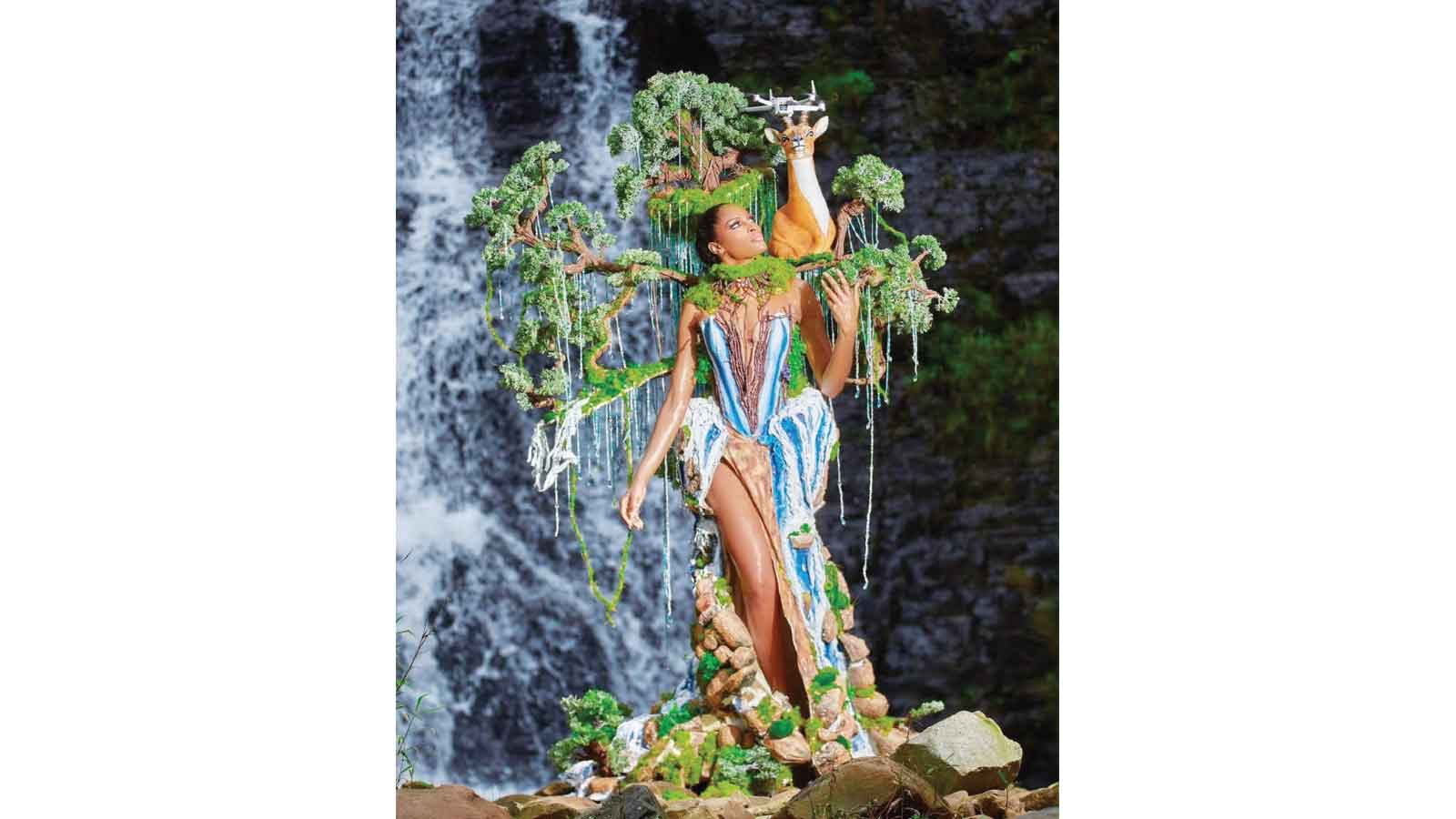
Tafadzwa Zimoyo
Fashion 243 Editor
Who needs a crown when you’ve already conquered the internet?
Long before the Miss Supranational 2026 judges made their decisions in Poland, Zimbabwe had already claimed one of the competition’s biggest victories. Nicole Nyawera’s breathtaking national costume became one of the most talked-about creations at the pageant, attracting attention from international bloggers, fashion critics and pageant fan pages who flooded social media with admiration.
For once, the conversation wasn’t just about beauty.
It was about Zimbabwean fashion.
As Nicole walked through the streets of Poland in her spectacular Bridal Veil Falls-inspired masterpiece, cameras followed her everywhere. Bloggers stopped to capture photographs, content creators filmed videos, tourists asked questions and pageant enthusiasts wanted to know the story behind the dramatic creation. Zimbabwe wasn’t trending because of controversy – it was trending because of creativity.
And that is exactly how a national costume should work.
Behind the masterpiece is Jasper Mandizera of Ivhu Tribe, a designer who has quietly become Zimbabwe’s undisputed king of pageant couture. This is not his first international statement. He previously designed national costumes for Miss Universe Zimbabwe representatives, turning local heritage into global fashion moments. From celebrating Zimbabwe’s wildlife and cultural identity in previous editions to now transforming Bridal Veil Falls into wearable art, Mandizera has consistently shown that Zimbabwean stories deserve a place on the world’s biggest stages.
The Bridal Veil concept was a masterstroke.
Instead of relying on the predictable Zimbabwe Bird, balancing rocks or wrapping the contestant in the national flag, Mandizera looked to one of the country’s most breathtaking natural treasures – Bridal Veil Falls in Chimanimani. The flowing fabrics mirrored cascading water, while textured details represented the rugged mountain landscape. Hidden within the beauty was a deeper message of resilience following Cyclone Idai, making the costume more than just a beautiful garment. It became a story stitched together with emotion, memory and hope.
That is fashion.
Real fashion tells stories before anyone reads a caption.
For years, countries such as the Philippines, Thailand, Indonesia and Vietnam have dominated the national costume category because they understand that these creations are marketing tools. They don’t simply dress contestants; they advertise culture, tourism, craftsmanship and national identity.
Zimbabwe is finally beginning to understand that language.
The modelling industry has often been dismissed as nothing more than pretty faces posing for cameras. Yet every international pageant proves the opposite. Models have become cultural ambassadors, tourism promoters and fashion influencers. A single costume can inspire thousands of people to Google a destination, discover a designer or even plan a holiday.
Nicole Nyawera did exactly that.
After seeing her costume, many people who had never heard of Bridal Veil Falls suddenly wanted to know where it is. That is soft power. That is destination marketing without spending millions on advertising.
It is also another reminder that Zimbabwe should invest far more seriously in modelling. Too often, models only receive attention during pageants before disappearing from the spotlight. Countries with thriving fashion industries understand that models are year-round ambassadors who drive campaigns, tourism, luxury brands and creative exports.
If Zimbabwe wants its fashion industry to compete globally, it must start treating modelling as a professional industry rather than an occasional hobby.
Of course, no masterpiece is beyond criticism.
While the costume was visually spectacular, some of its dramatic elements competed for attention. The design was so rich in detail that viewers watching from a distance could easily miss some of its finer storytelling features. Simplifying one or two structural components might have allowed every symbolic element to breathe more naturally.
But that is a small critique in what was otherwise one of Zimbabwe’s strongest national costume presentations in recent memory.
The bigger question now is: why do we only celebrate these creations during international pageants?
Zimbabwe should establish an annual National Costume Design Competition that brings together fashion designers, historians, sculptors, textile artists and tourism experts to create wearable masterpieces inspired by every province. Imagine costumes celebrating Great Zimbabwe, the Eastern Highlands, Lake Kariba, Matobo Hills, the Tonga culture, Mbende dance or the country’s rich mineral heritage.
Those designs shouldn’t end on a pageant stage.
They belong in museums, tourism campaigns, international expos and fashion weeks.
The truth is, Zimbabwe has the creative talent.
What it needs is sustained investment.
Jasper Mandizera has once again proved that Zimbabwean designers can compete with the best in the world. Nicole Nyawera proved she can carry that vision with confidence and elegance.
Together, they didn’t just dress a beauty queen.
They dressed a nation that is finally learning how to tell its own story through fashion.
And judging by the global reaction, the world is finally listening.



