Mukudzei Chingwere-Senior Reporter
Zimbabwe and Zambia are revitalising discussions on the Batoka Gorge Hydro-Electric Scheme aimed at addressing energy challenges faced by both countries, Zambian Ambassador to Zimbabwe, Brigadier-General (Retired) Wilson Tembo, has said.
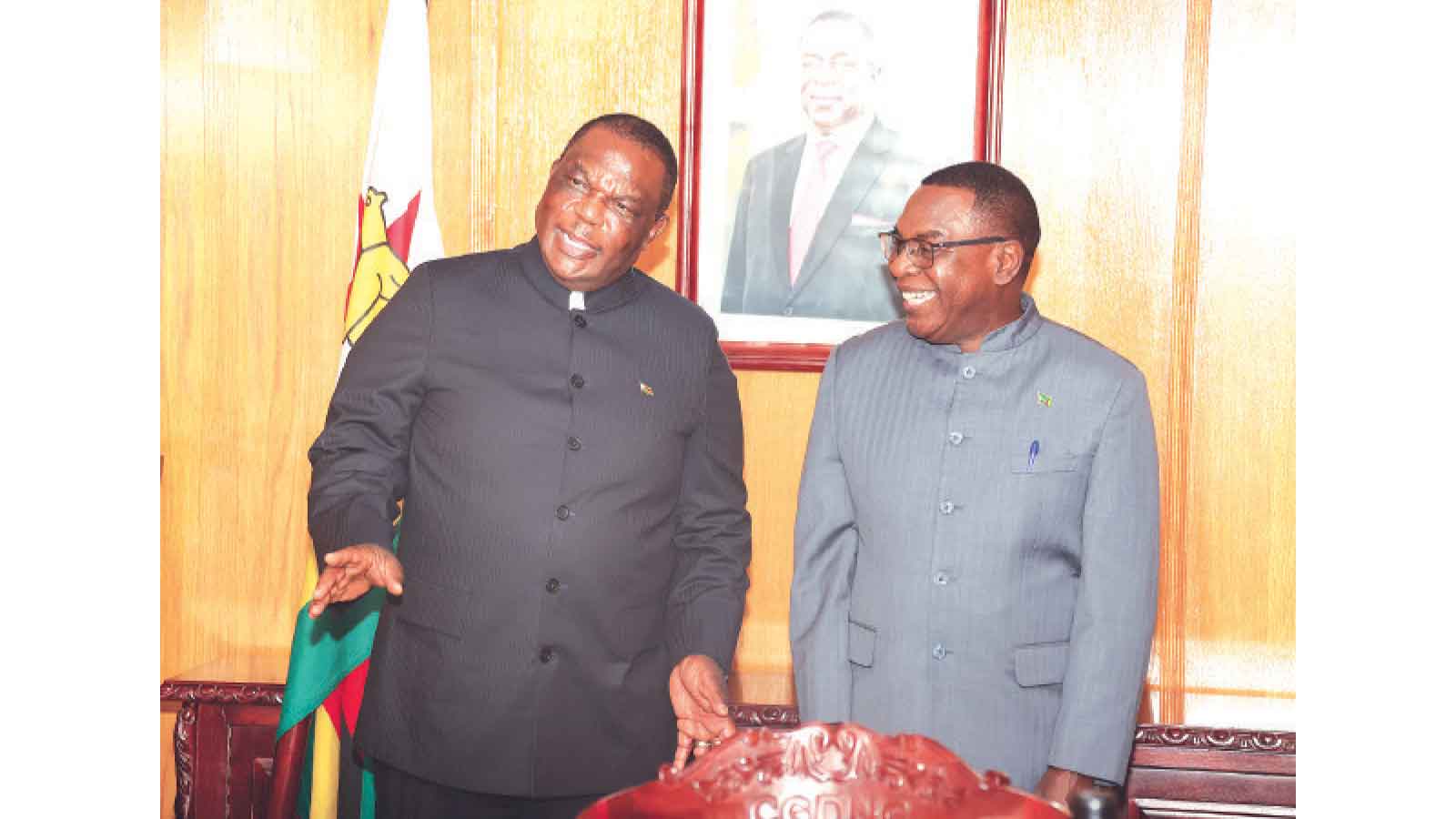
He was speaking after paying a courtesy call on Acting President Dr Constantino Chiwenga yesterday, where the Batoka Gorge project, previously seemingly sidelined, gained renewed focus.
The countries were also seeking to strengthen cooperation on climate change response and mitigation, wildlife conservation and agriculture.
During their meeting, energy issues took centre stage, with the proposed Batoka Gorge Hydro-Electric Power Station set to generate an impressive 2,400 MW of electricity from the Zambezi River that borders the two countries.
The project is expected to play a critical role in alleviating the energy deficit currently impacting both Zimbabwe and Zambia.
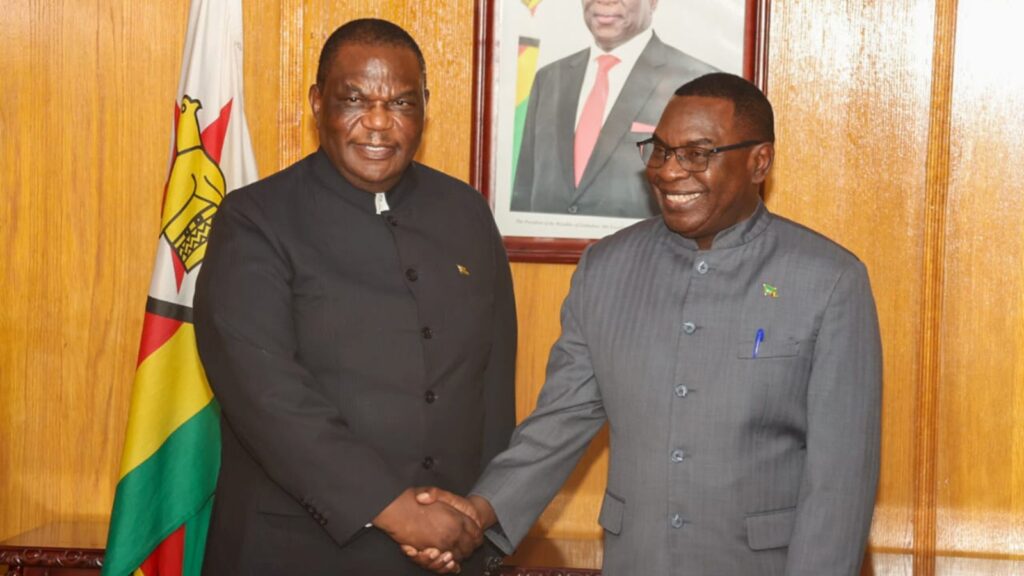
During their meeting, energy issues took centre stage, with the proposed Batoka Gorge Hydro-Electric Power Station set to generate an impressive 2,400 MW of electricity from the Zambezi River that borders the two countries.
“We discussed a range of topics related to our bilateral relations, starting with my introduction as the new ambassador to the Republic of Zambia,” said Ambassador Tembo.
“We discussed the energy sector, which has faced severe challenges due to the drought conditions experienced in 2023–2024. These conditions have severely impacted water levels in the Kariba Dam, the primary source of our electricity.
“We recognised the urgent need to explore alternative renewable energy solutions, like the Batoka Gorge project, to mitigate these challenges.
“Our discussions emphasised the importance of firm commitment to moving this project forward,” said Ambassador Tembo.
The meeting also addressed several topics, including youth empowerment, education, agriculture and wildlife conservation.
Notably, Zimbabwe’s current presidency of the Kavango Zambezi Transfrontier Park (KAZA) was highlighted as an opportunity for collaboration in conservation efforts.
This role allows Zimbabwe to play a critical part in fostering sustainable management of natural resources and promoting biodiversity in the region.
Ambassador Tembo said they also discussed the importance of investing in youth initiatives to prepare future leaders, enhancing educational opportunities to bolster economic growth and developing sustainable agricultural practices to ensure food security.
Additionally, both countries recognised the need to strengthen wildlife conservation efforts to protect endangered species and promote eco-tourism, ultimately benefiting local communities and economies.
“We also discussed agriculture and youth empowerment, specifically training our young people,” said Ambassador Tembo.
“Harare Polytechnic signed a memorandum of understanding with the Technical and Vocational Training Authority of Zambia and some of our young people are already training at Harare Polytechnic.
“We talked about consolidating our bilateral relations, which have stood the test of time, particularly given that both our countries fought in the liberation struggle.