Online Reporter
Blessings Chidakwa
Senior Reporter
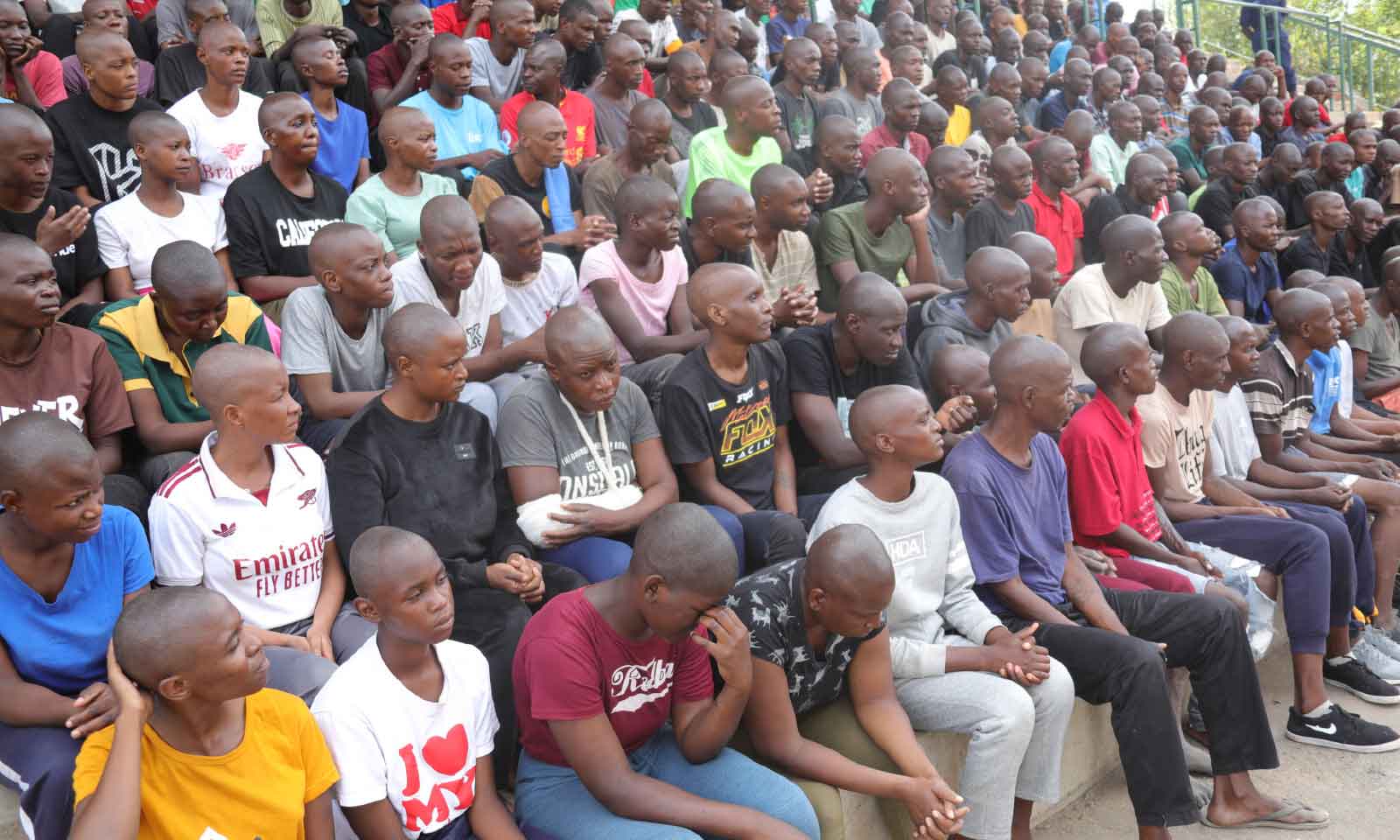
FIRST Lady Dr Auxillia Mnangagwa yesterday held a deeply moving engagement with the fifth intake of drug survivors at the Angel of Hope Drug and Rehabilitation Centre in Mbare, offering encouragement and a listening ear to men and women rebuilding their lives.
The visit began with a joint session involving both male and female patients, during which survivors openly shared their painful journeys through addiction and their resolve to start afresh.
Dr Mnangagwa listened attentively as the participants reflected on years marked by substance abuse, loss and regret.
Visible signs of recovery were already evident among the patients.
Faces once marked by despair were beginning to brighten, their appetite had returned and some now confidently asked for more food.
Beyond physical improvement, hidden talents were also emerging.
Patients performed drills, recited poems and sang spirited songs, revealing creativity and potential long buried by addiction.
After the joint engagement, Dr Mnangagwa met separately with the female patients in a quiet, intimate setting.
The atmosphere was heavy with emotion as stories that had remained unspoken for years slowly found a voice.
Seated in a close circle at the centre, the women, including two 15-year-olds in the fifth intake, took turns recounting the lives they nearly lost to drugs and the fragile hope now guiding them forward.
Their stories are a testament to the fact that drugs do not discriminate against gender or family backgrounds.
At the heart of the gathering was Dr Mnangagwa, listening not as a public figure, but as a mother.
One by one, the women, some sobbed, as they shared memories of sleepless nights, hallucinations, violence, broken marriages, lost careers and children left behind.
One woman lost her teeth as a result of Broncleer drug abuse, while another suffered a fractured leg.
Though their voices were calm, they carried the weight of battles fought in isolation.
Drawn from different walks of life, the women’s stories converged at the same painful crossroads, underscoring that drug abuse spares no one.
Within the calm walls of the centre, a place where dark chapters are being rewritten into stories of survival, dignity and hope, they spoke of substances that pulled them into darkness crystal meth, Broncleer, dagga and alcohol and the destruction that followed.
Mother Zimbabwe, who showcased a girl from the first intake who emerged as the best student at a vocational training centre, offered words of comfort to the patients, expressing happiness at their visible transformation.
“When you come here, you are not in prison. What we are fighting is drugs. I am very happy to see your faces transformed. Continue to drink water and eat plenty of food,” she said.
After listening to the heart-wrenching experiences of the female patients, the First Lady, in her capacity as a mother, applauded the women for taking a bold step to reclaim their lives by seeking rehabilitation services and offered them words of wisdom.
Mother Zimbabwe urged the women not to return to destructive habits, encouraging them to live exemplary lives and become role models for others battling drug addiction.
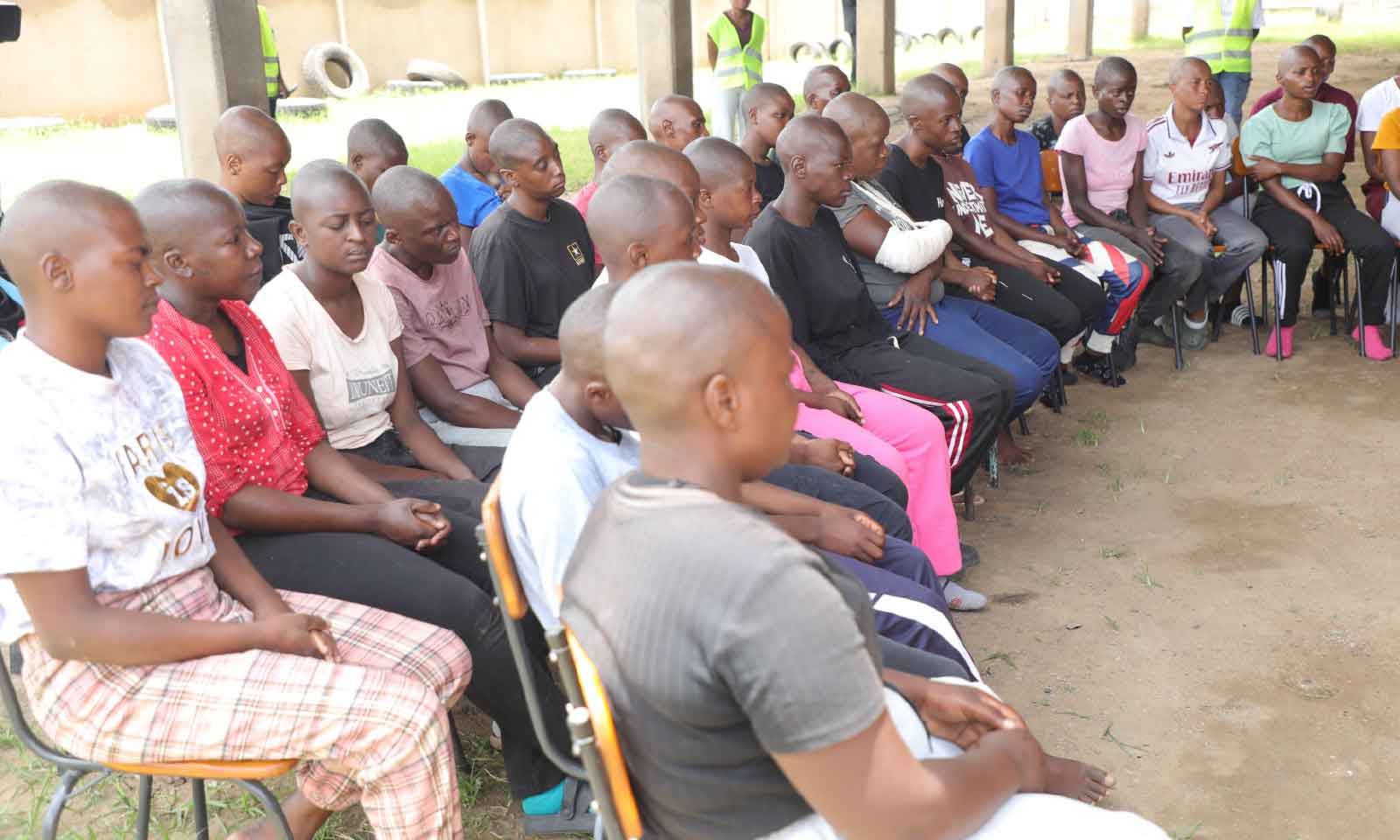
Dr Mnangagwa also encouraged them to be responsible and live purposeful lives to avoid abuse and exploitation.
A 22-year-old mother of two, married for five years, said she started using drugs due to peer pressure from friends.
“I used to take Broncleer and even used money meant for food for my children to buy drugs instead of bread, vegetables and other essentials. My husband later told my father and the rest of the family.
“Drugs are my fault. I did not want to separate from my husband, but I became a nuisance when drunk. I would insult people and I even sold my husband’s clothes to buy drugs, even though he provided food and money,” she said.
Another patient said she started using drugs after a heartbreak.
“My boyfriend impregnated another girl. After that heartbreak, a friend introduced me to drugs. I started using crystal meth and marijuana,” she said.
A mother of two children, aged 19 and 9, said she began using drugs due to peer pressure while living in a neighbouring country. “I am a hairdresser. At work, we were pushed to meet hard targets, which I sometimes struggled with, so my colleagues introduced me to crystal meth.
“My behaviour changed and everything went downhill. My husband and I eventually divorced,” she said.
Another woman said drugs had nearly cost her life.
“I broke my leg because of drugs last year. I was constantly confronting my mother for failing to provide for my 11-year-old child, accusing her of denying the child food.

“I then met a boyfriend who offered to give me money for food regularly, but he later raped my child in March last year,” she said.
Another woman caused a stir after admitting that, due to drugs, she left her husband while six months pregnant to be with another man.
“My husband was working in a neighbouring country and I was only allowed to see him once a week. I refused to stay with his parents and stayed with my own family, where I started taking drugs.
“When my husband returned, he discovered that I had married another man while pregnant with his child,” she said.
A teenage girl said she started using drugs while still at school.
“I was introduced to drugs at 17 but managed to quit. Later, my father gave me a lifeline by helping me train as a nurse aide, but I wasted that chance after my sister accused me of sleeping with her husband. I then started using drugs again because of depression,” she said.
One woman said she started using drugs after being stranded in a neighbouring country.
“I started using crystal meth after I was stranded with nowhere to go. I met a man who promised to take care of me before introducing me to drugs.
“He initially helped me find a place to stay and looked after my baby, who was one month old. I later had another child with him,” she said.
Located at Stodart Arena, the Angel of Hope Drug and Rehabilitation Centre provides a holistic recovery programme that includes counselling, medical care, physical fitness, basic education and life-skills training. For the women in the fifth intake, the centre represents more than treatment. It is a place where shattered lives are being rebuilt and where broken paths are steadily turning into journeys of survival, dignity and hope.


 leeroy