Prosper Ndlovu in WINDHOEK, Namibia
THE ongoing Zimbabwe trade mission to Namibia is widening the focus from simple export deals to longer-term business partnerships, with both sides exploring joint ventures, value addition, investment and regional supply chains.
The three-day mission led by ZimTrade is taking place in Windhoek from 7–9 October 2026, bringing Zimbabwean companies together with Namibian businesses and trade-support institutions.
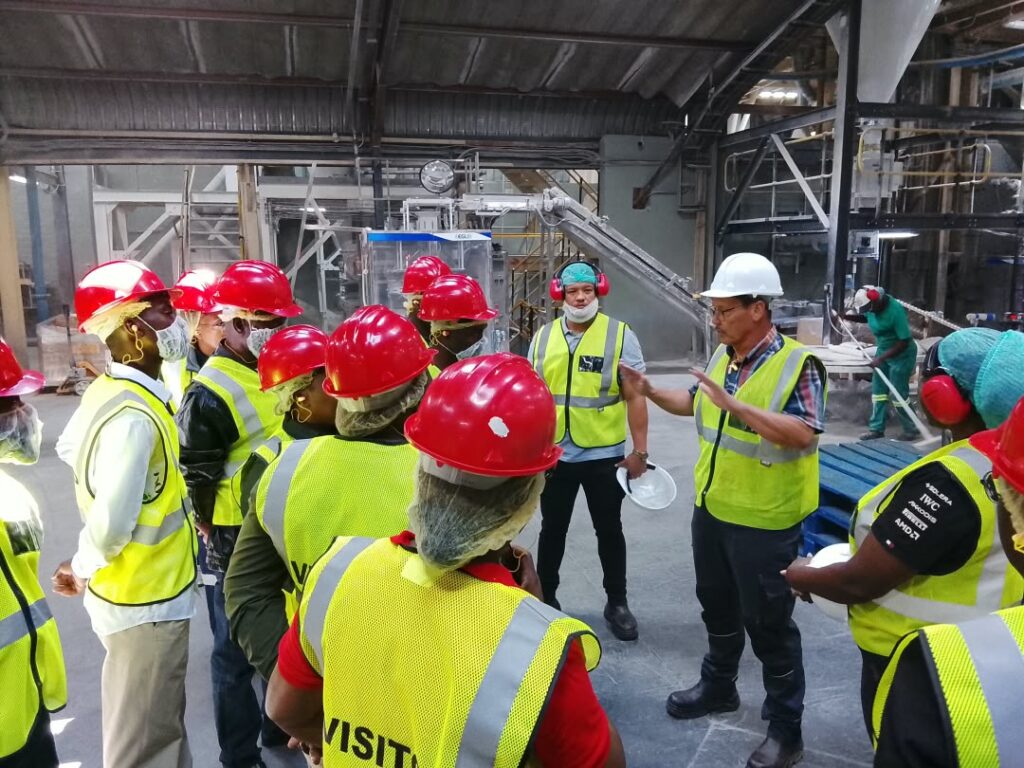
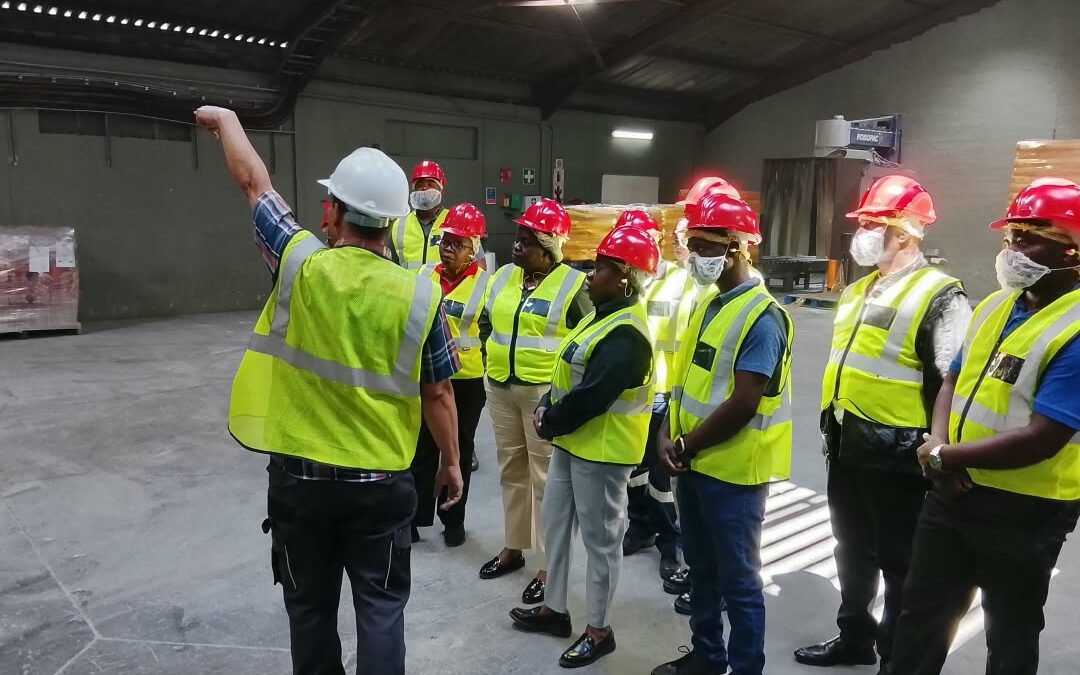
On Thursday afternoon the country’s business delegation here conducted a tour of the giant, Bokomo Factory in Windhoek, which is already supplying a range of products to Zimbabwe, and the local producers made a case for collaborative partnerships with Namibia and the need for targeted synergies in some product lines, supply of key raw materials and value addition.
Bokomo chief executive officer, Mr Hubertus Hamn, led his team to outline the company operations before taking the delegation through a tour of production processes.
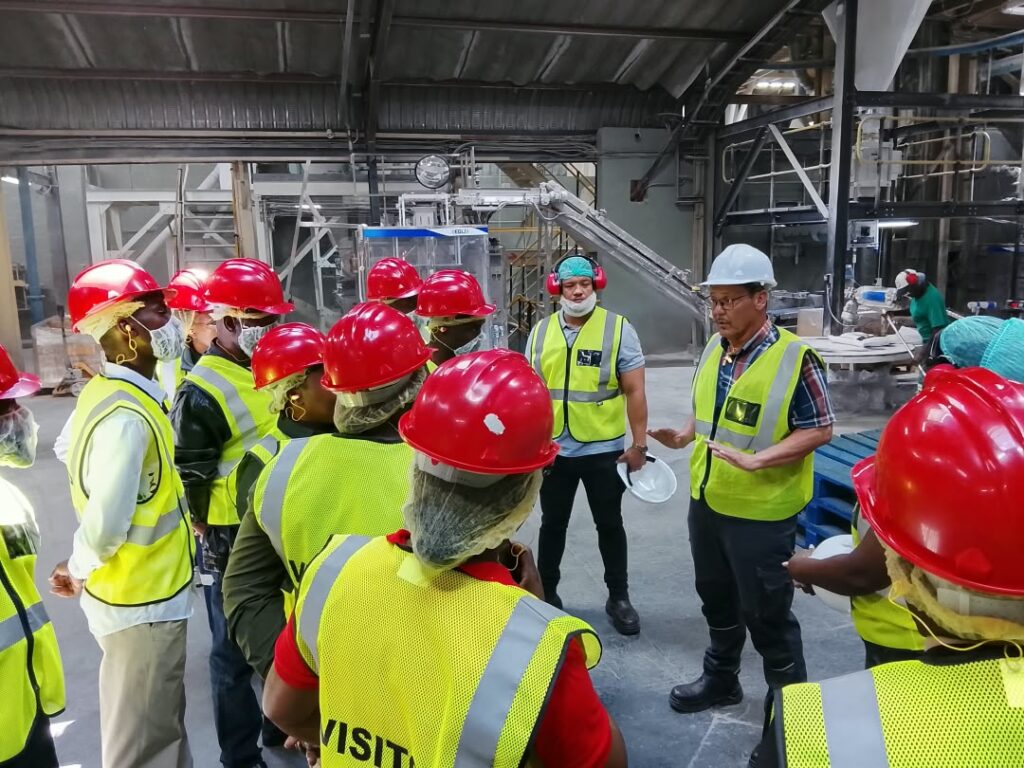
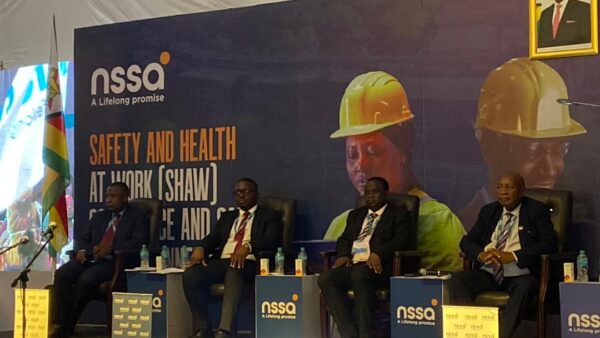
On Wednesday’s business forum Namibia’s Trade Promotion Deputy Director, Me Sakeus Kapenda, said bilateral ties should increasingly be measured by production, investment and trade volumes rather than political goodwill alone.
The engagements so far have highlighted that Zimbabwe brings capabilities in manufacturing, agriculture, mining, engineering, education and professional services, while Namibia offers opportunities in agro-processing, mining, logistics, tourism, renewable energy and mineral beneficiation.
Zimbabwe posses a major opportunity in irrigation, engineering and construction expertise, which could complement Namibia’s efforts to improve food security, irrigation and agricultural infrastructure.
Zimbabwe’s dry port at Walvis Bay also gives its exporters a logistical link to Namibia and potentially wider African markets.
Through ZimTrade and the Namibia Investment Promotion and Development Board partnerships, which have led to the signing of an MoU aimed at facilitating business linkages, exporters and investors, Namibia and Zimbabwe could do more on institutional capacity strengthen.
The participating sectors include agriculture and horticulture, stock feed, FMCG, engineering, logistics, education and training, among others.