Gibson Mhaka [email protected]
VICE-PRESIDENT Kembo Mohadi has urged Zimbabweans to regard culture and the creative industries as powerful economic assets rather than merely expressions of national identity, saying the sector has a critical role to play in the country’s transformation towards an upper-middle-income society by 2030.
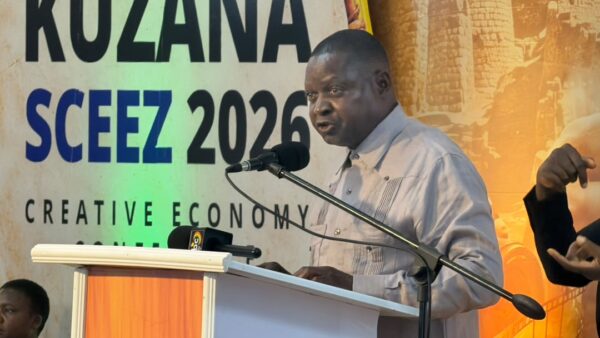
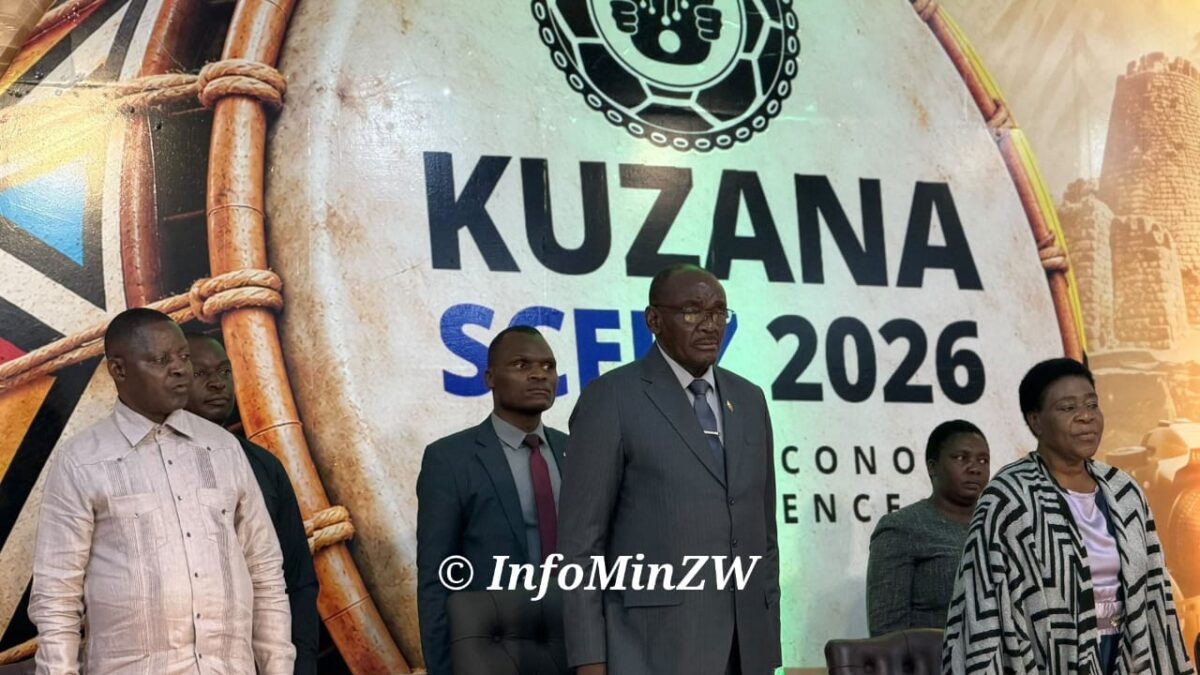
Officially opening the Creative Economy Conference at the Zimbabwe International Exhibition Centre (ZIEC) Hall 2 on Thursday, VP Mohadi said Government remained committed to creating an enabling environment for the growth of the arts, culture and creative industries.
“Culture is not just an expression of identity. It is a lucrative industry and a critical driver of our economic transformation agenda,” he said.
VP Mohadi said the conference was “more than a gathering of artists and cultural practitioners”, describing it as “a demonstration of the Government’s recognition that culture, creativity, talent and innovation are economic assets that must be nurtured, protected and commercialised for the benefit of our people.”
He said the Second Republic was deliberately positioning the creative industries as an important pillar of the national development agenda.
“This Expo is not merely an exhibition. It is a strategic declaration.
“It is a deliberate intervention by the Second Republic to unlock the immense economic potential of our creative industries and place them at the centre of our national development agenda,” said VP Mohadi.
He said Government would continue to enact policies and regulatory frameworks that make the sector attractive to investment.
VP Mohadi challenged stakeholders to ensure young people benefit through skills development, access to finance, infrastructure, technology, mentorship and markets.
“Our young people are at the heart of the creative economy,” he said, noting that they were already producing music, films, digital content, fashion, visual arts, gaming and other innovative cultural products.
VP Mohadi urged delegates to move beyond discussions and commit to “practical outcomes, implementable actions and measurable targets”.
“Let this not be another conference whose recommendations remain on paper. Let us establish partnerships that can be implemented,” he said.
He said developing the creative economy would help create jobs, generate foreign currency, strengthen Zimbabwe’s brand and contribute to the attainment of Vision 2030.