Online Reporter
Peter Matika, [email protected]
ONCE a shadow drifting through the unforgiving streets of Johannesburg, Nobuhle Virginia Ajiti has risen from the margins of despair to become a luminous force of compassion, advocacy and quiet defiance.
Her story, etched with hardship yet girded with hope, mirrors the age-old rags-to-riches tale, not in material wealth, but in the immeasurable riches of purpose, empathy and human dignity.
Born and raised in Bulawayo, Ajiti’s early years were rooted in community and service.
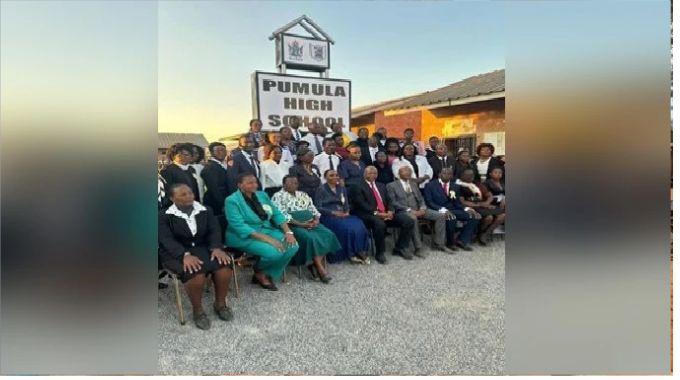
A former pupil at Greenfield Primary School and Townsend Girls High School, she later completed her Advanced Level studies at Afro-Combs College. Even then, the seeds of activism had begun to stir.
Ajiti says she immersed herself in peer education at Sizinda and Ndlovu youth centres, speaking to fellow youths about life’s often unspoken realities.
Her passion soon drew the attention of Médecins Sans Frontières, where she found her footing as an HIV and Aids workshop facilitator, a role that would ignite her humanitarian journey. But destiny, as it often does, took an unforgiving turn.
In 2006, she crossed into South Africa in search of opportunity. What awaited her, however, was a terrible crucible that would test the very core of her being.
Amid the bustle and anonymity of Johannesburg, Ajiti endured a deeply traumatic ordeal — she was RAPED, a traumatic experience that did not merely wound her body, but pierced through her sense of safety and belonging.
“It was a darkness I had never known before. But in that darkness, I made a silent vow that no one, especially those already vulnerable, should feel that unprotected,” Ajiti said.
She said the scars of that experience became the compass that would guide her life’s mission. It was then that her advocacy broadened to include the protection of “rainbow citizens”, a community she says often exists on the fringes of safety and acceptance.
“I came to understand that there are people who live daily with fear simply because of who they are. My voice, my work, it must speak for them too,” Ajiti said.
Yet, even as she wrestled with inner turmoil, life dealt her another harsh blow — homelessness.
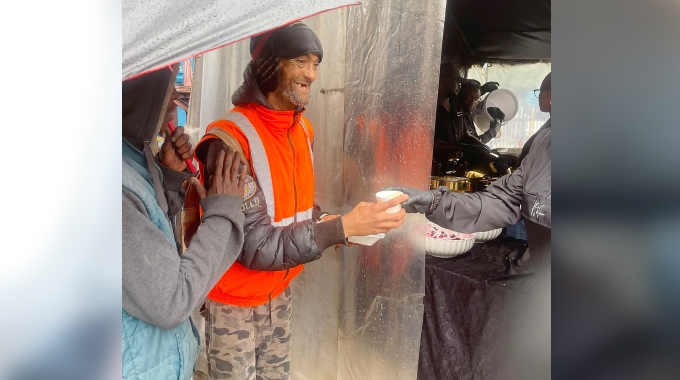
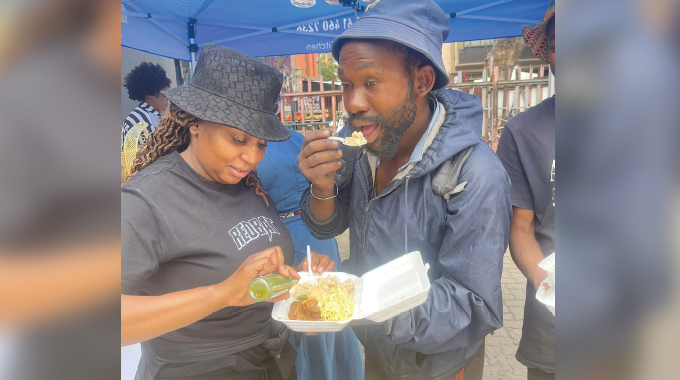
Reduced to the barest existence, she found herself at the mercy of the streets, surviving on sporadic acts of kindness from strangers who ran soup kitchens and offered fleeting relief from hunger.
“The streets stripped me of everything, but they also revealed humanity in its purest form. I was fed by hands that did not know me, and that planted something deep within me,” said Ajiti.
When her circumstances eventually shifted, and she rose from the streets, she carried with her not bitterness, but a burning resolve.
Today, Ajiti stands as a pillar of support for struggling Zimbabweans in South Africa, mobilising assistance through her foundation and a network of social media followers.
From paying school fees and providing food hampers to facilitating safe returns home, her work is as expansive as it is intimate.
“I do not just give, I listen. Every person has a story, and in those stories lie the reasons behind their struggles. That understanding is where true help begins,” she said.
Ajiti’s interventions often extend to rescuing victims of gender-based violence, some too fearful to approach authorities due to their immigration status. It is a path fraught with danger, yet she treads it with unwavering resolve.
“There are risks, yes, but there is also a responsibility. If I turn away, who will stand for them?” she asked.
Beyond immediate relief, Ajiti has also become a quiet architect of empowerment.
Through a grassroots skills exchange initiative, Zimbabweans and South Africans are teaching each other trades, from carpentry and baking to sewing and hairdressing, while fostering not only livelihoods, but unity in a climate often marred by xenophobia.
“What began as a simple idea has grown into something beautiful. People are beginning to see each other not as foreigners, but as partners in survival,” Ajiti said.
She said the ripple effects have travelled beyond South Africa’s borders, with similar acts of generosity now sprouting in Zimbabwe.
“I have known hunger, fear and loss. But I have also discovered strength, compassion and calling. My life is no longer just mine; it belongs to those who still need a voice,” Ajiti said.