

 Online Reporter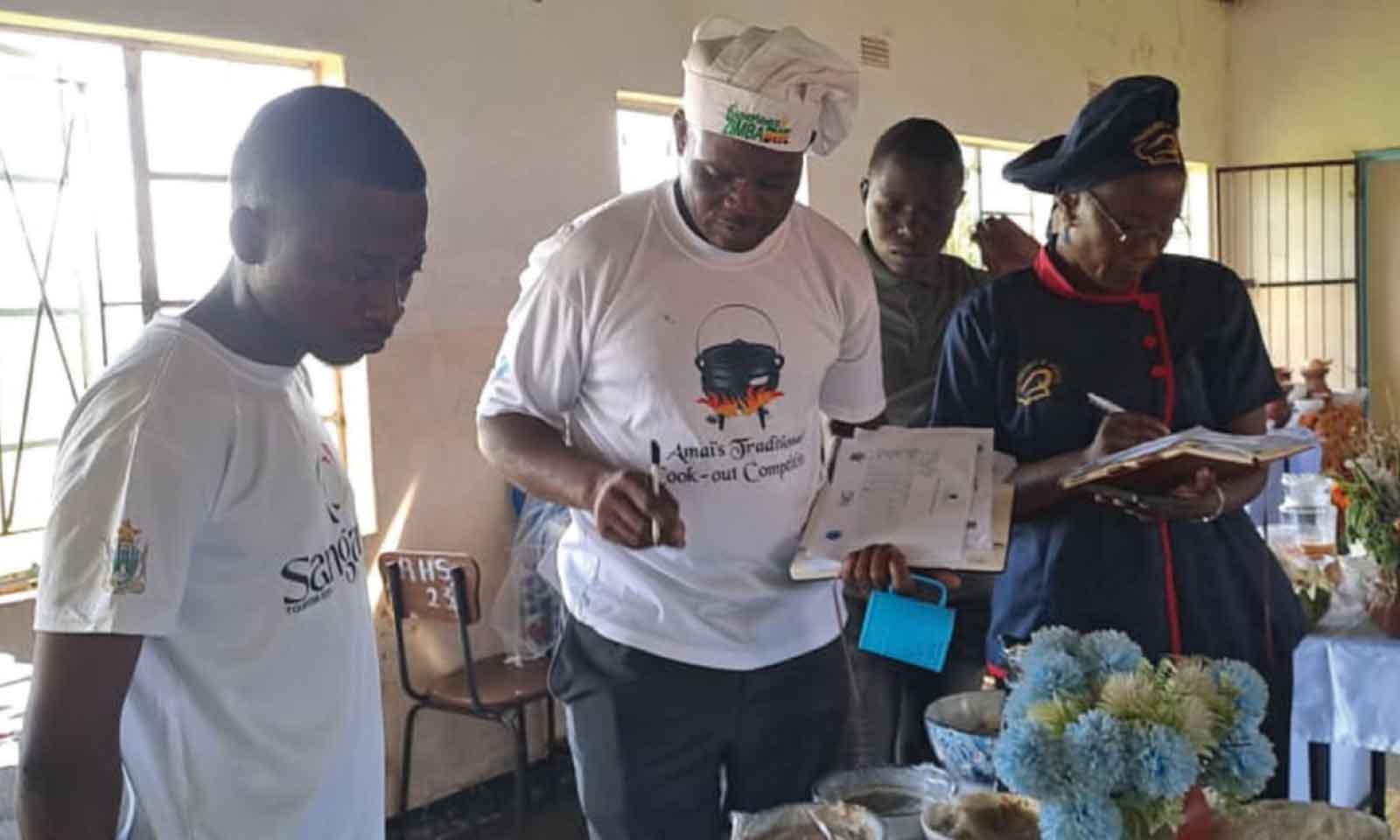
Fungai Lupande
Mashonaland Central Bureau
WHAT began as a simple cultural revival initiative spearheaded by First Lady Dr Auxillia Mnangagwa is fast becoming a life-changing platform, with beneficiaries now emerging as champions and ambassadors of Zimbabwe’s rich culinary heritage.
In a remarkable full-circle moment, Mr Shepherd Munyoro of Madziwa Teachers College, once a contestant in last year’s traditional foods cookout competitions, returned to the spotlight, this time as a judge at the Mazowe District finals held at Rujeko High School.
Mr Munyoro’s journey reflects the growing impact of the programme, which is now opening doors beyond competition, with participants tapping into opportunities in gastronomy at the national level.
The colourful event drew participants from across the district, showcasing innovation rooted in indigenous knowledge systems, with dishes ranging from traditional beverages to modern twists such as cakes and yoghurt made from local ingredients.
Officiating at the event, Zanu PF Women’s League chairperson Cde Tsitsi Gezi applauded the First Lady for restoring Zimbabweans’ cultural pride and identity through the promotion of traditional cuisine.
“Worldwide, people are known by their culture, their dressing, language and food. We are grateful to the First Lady for taking us back to our way of life,” she said.
Cde Gezi highlighted the health benefits of traditional foods, describing them as medicinal and key in combating ailments such as cancer and hypertension.
“The cookout competition must not end here; it must become our way of life. Let us encourage our families to embrace traditional foods because of their immense health benefits,” she said.
She also took the opportunity to speak on Constitutional Amendment Bill No. 3, noting that extending the election cycle to seven years would allow Government to redirect financial resources towards national development.
Chief Negomo’s wife, Amai Negomo, who is the patron of the district competitions, said the programme had ignited a deep passion for traditional cooking within communities.
Last year, she travelled with provincial contestants from Mashonaland Central to Beitbridge, inspired by their dedication.
“Our traditional foods are important, and it starts with us as women. We thank the First Lady for spearheading this initiative,” she said.
Amai Negomo warned against misdiagnosing lifestyle diseases as being caused by witchcraft, urging families to adopt healthier eating habits.
“Sometimes people blame witchcraft, yet it is poor diet and sedentary lifestyles. Let us grow traditional grains and embrace indigenous foods to avoid ailments such as hypertension and other chronic conditions,” she said.
Mr Munyoro said the use of artificial preservatives in modern foods was contributing to health challenges, adding that the cookout competitions had broadened his horizons.
“I came fourth at the national level, and today I am here as a judge. I am now invited to gastronomy events and also offer guidance to others interested in culinary arts,” he said.
“I have witnessed incredible innovations using traditional foods, from mapfura wine to yoghurt, all emerging from grassroots communities.”
He also commended the Heritage-Based Curriculum for encouraging young people to look inward for solutions to food security and nutrition.
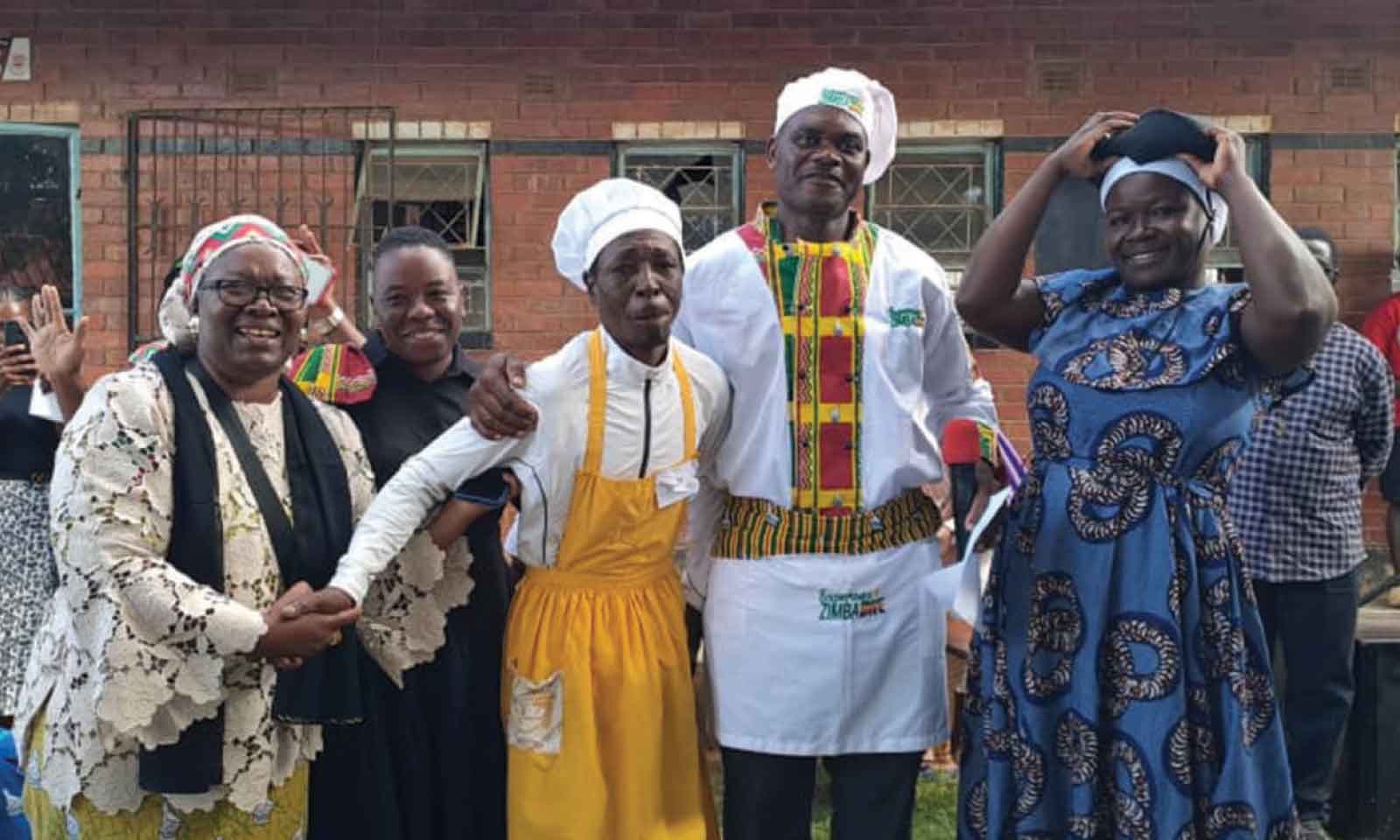
A total of 21 contestants competed across four categories, with displays highlighting creativity and innovation.
Winner of the community category, Ms Stella Gwanha, attributed her success to her upbringing.
“Growing up, my grandmother only prepared traditional foods, and that gave me an advantage. I have never attended any formal cooking lessons, but I have always practised at home,” she said.
“Winning has boosted my confidence to pursue cooking as a career.”
In the schools category, Form Three learner Trinity Ropafadzo Marembe of Mudavanhu Secondary School impressed judges with her creativity.
“When I visit my rural home, I closely watch my grandmother cooking. I made a watermelon cake decorated with grapes, and that innovation helped me win,” she said. The cookout competitions continue to grow in influence, not only preserving Zimbabwe’s culinary heritage but also empowering communities with skills, knowledge and opportunities for sustainable livelihoods.



