Online Reporter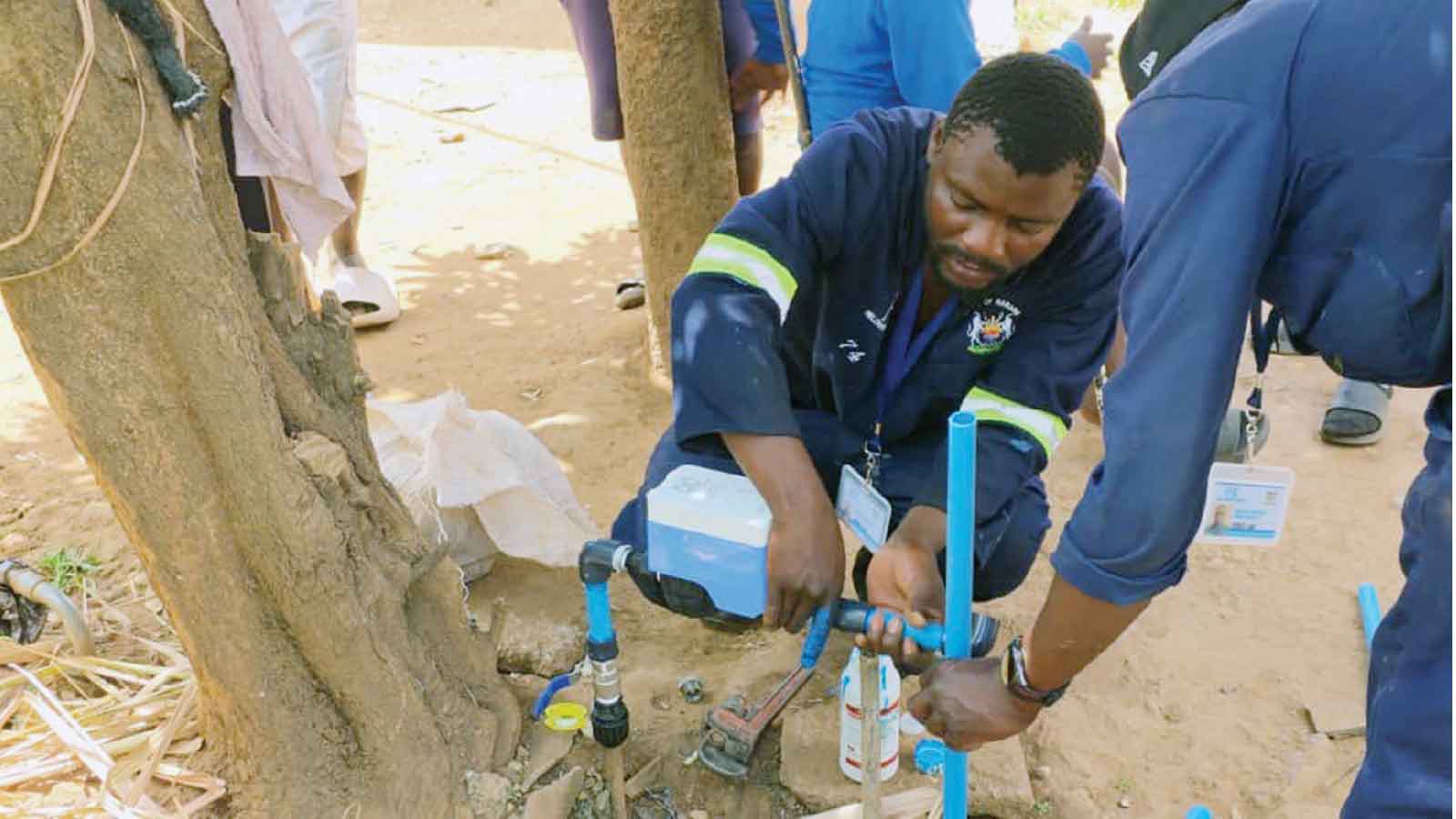
Remember Deketeke
FOR years, Harare residents have grappled with a frustrating paradox: ballooning water bills against a backdrop of crumbling infrastructure and erratic water supplies.
The Government has had to rope in the private sector to clean up the mess, which has largely been caused by a fatal combination of maladministration, misgovernance, malfeasance and misfeasance by the City of Harare.
The latest intervention has resulted in the rollout of prepaid water meters for both households and industry.
More than 40 000 meters have so far been installed in different parts of Harare.
The prepaid system – similar to the one implemented by the Zimbabwe Electricity Supply Authority – is intended to bring relief and transparency to water usage.
Yet, while many welcome the control it offers, early adopters are reporting teething challenges.
A recent visit by The Sunday Mail Society to Budiriro 1, Warren Park, Belvedere, Sunningdale and other residential areas revealed a cautiously optimistic public.
Many residents acknowledged the benefits of the technology while simultaneously urging the authorities to fix the underlying supply crisis.
 For many, the meters represent fairness.
In Budiriro 1, a resident by the name of Mai Grant explained that the system helped her regain control.
“Before, we received bills we did not understand. You would go for weeks without water but still be charged high amounts. Now, with prepaid meters, I only pay for what I use. It is transparent,” she said.
In Warren Park, Priscilla Chikono noted that the system encourages conservation.
“You are more conscious of your usage now. You no longer waste water because you know it directly affects your balance.”
Similarly, Rudo Mlambo of Belvedere highlighted how the meters have eliminated concerns over estimated bills.
“In the past, council estimates left us arguing constantly. Now, there is no guesswork. What you load is what you use.”
The supply gap
However, residents want the City of Harare to guarantee continuous water supplies.
“What is the point of a prepaid meter when there is no water? We can load credit, but if water only comes once or twice a week, it defeats the purpose,” said Brighton Ncube of Budiriro 1.
It is the same chorus in suburbs such as Sunningdale 2 and Warren Park, among others, where supplies are erratic.
It is worse in Mabvuku and Tafara, which have not seen running water in years.
At full capacity, the Morton Jaffray Waterworks is designed to produce 750 megalitres of water per day.
However, since the 1990s, the facility has operated at a significantly reduced output of approximately 320 megalitres daily.
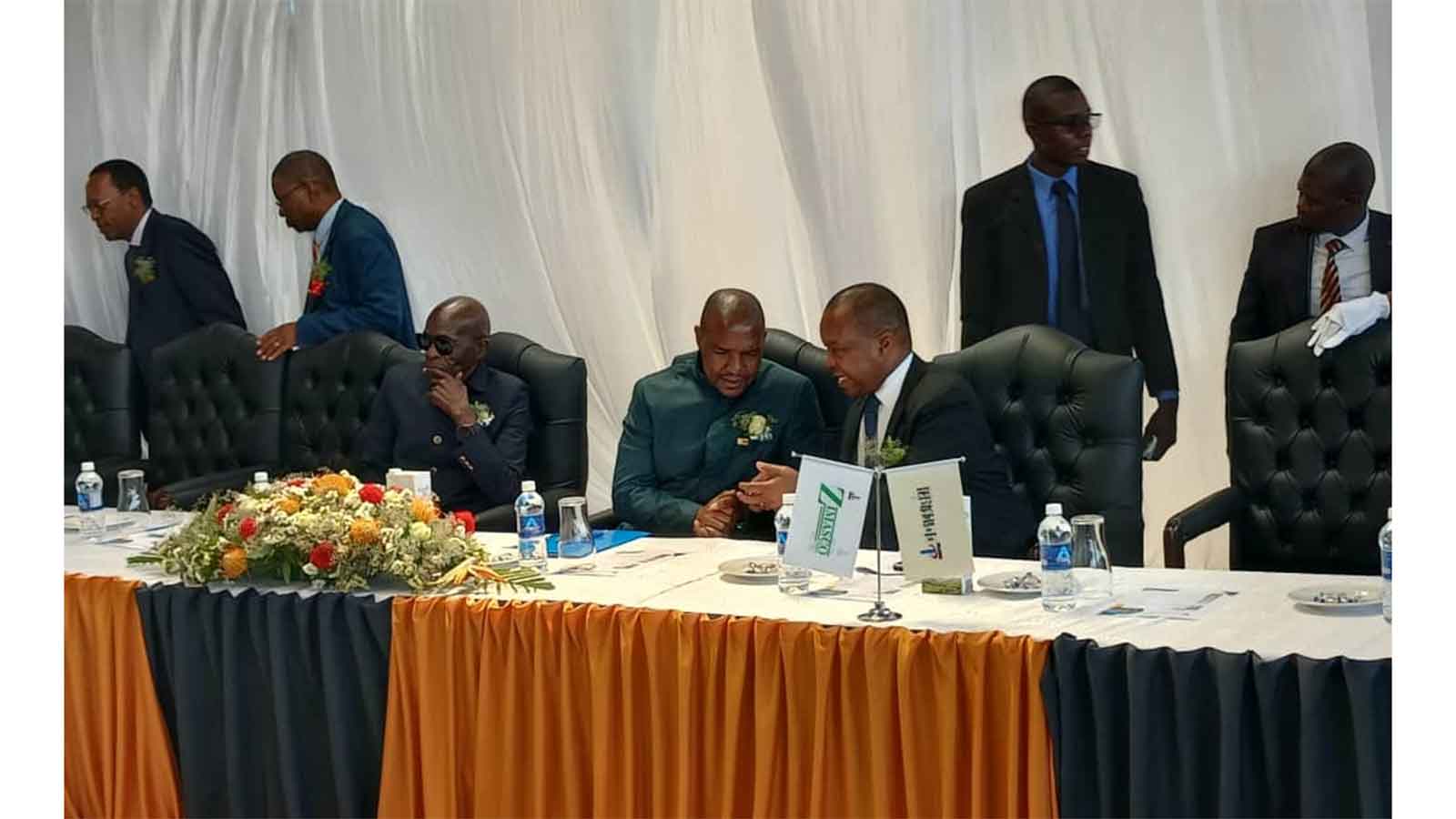
A new agreement between the Ministry of Local Government and Public Works, the City of Harare, Helcraw Water and Liaison Technologies seeks to address these systemic challenges.
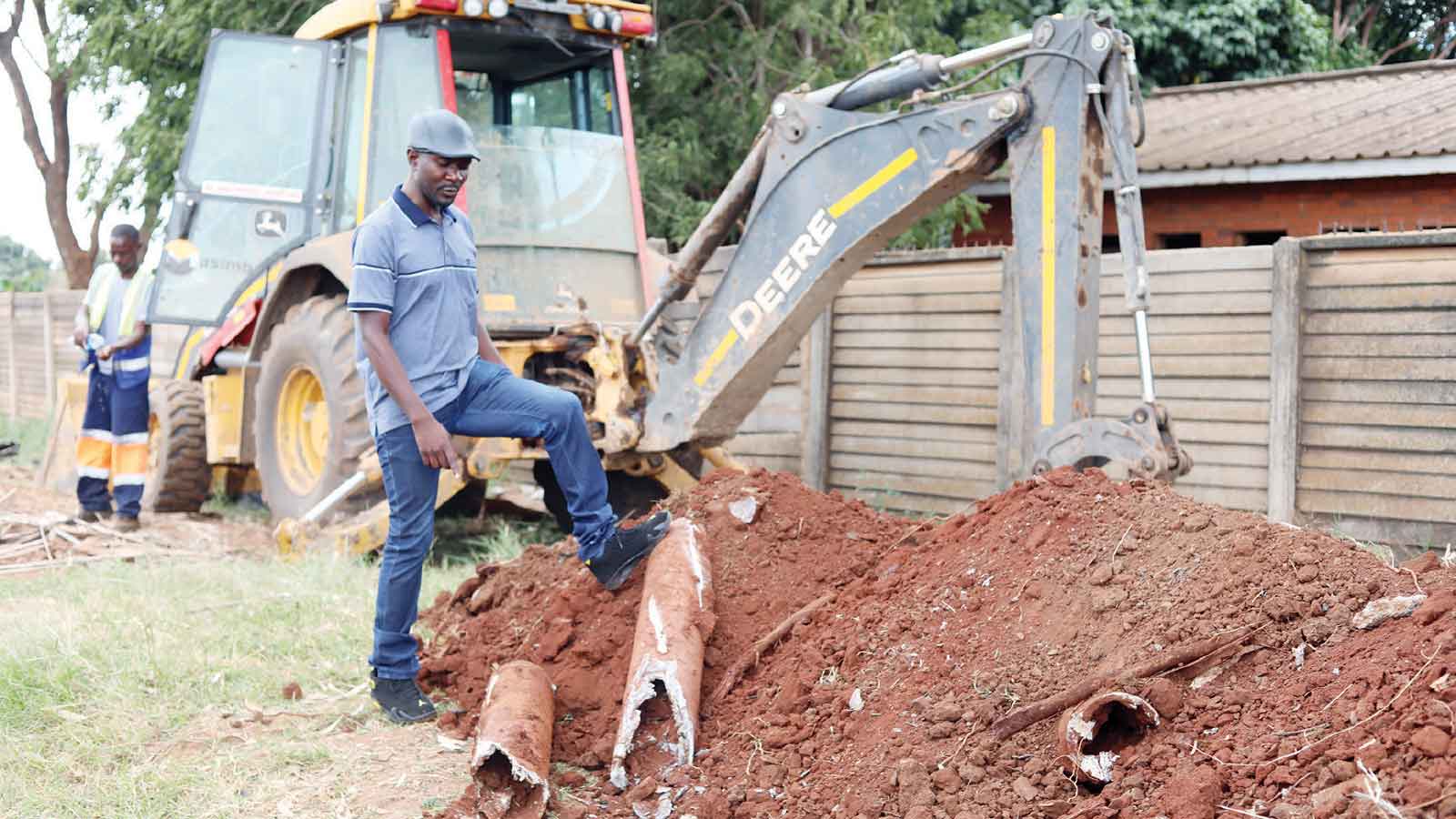
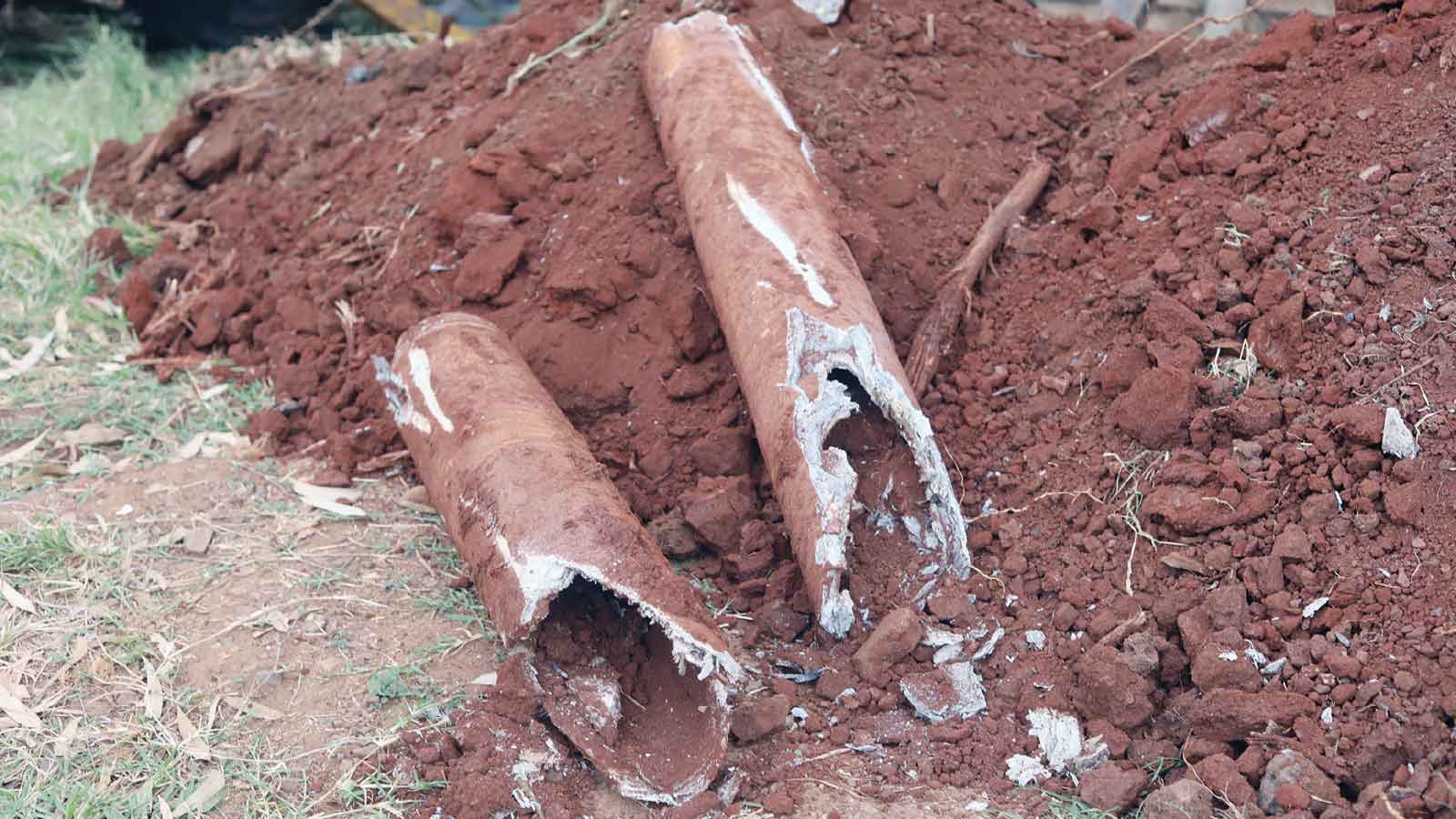
The partnership focuses on three core pillars of installation of prepaid water meters, replacement of aging asbestos/cement pipes and rehabilitation of Morton Jaffray to boost production to 520 megalitres per day.
In an interview with The Sunday Mail Society, Helcraw Water chief executive officer Farai Jere emphasised that the current output of 320 megalitres could adequately serve residents if managed efficiently.
“What we noticed is that residents living upstream were using excessive amounts of water —and in some cases, misusing it. This left downstream areas with an insufficient supply,” Jere noted.
A critical hurdle is also that 60 percent of the water currently produced is lost as non-revenue water (NRW). This category includes physical leaks, faulty meters and water theft.
This staggering loss translates to over US$3 million in monthly revenue deficits for the city.
The high rate of NRW has severely strained the city’s finances, crippled service delivery and forced many residents to rely on unsafe, alternative water sources.
By replacing dilapidated pipes and modernising the grid, the project aims to drastically reduce water loss from 60 percent to just 5 percent.
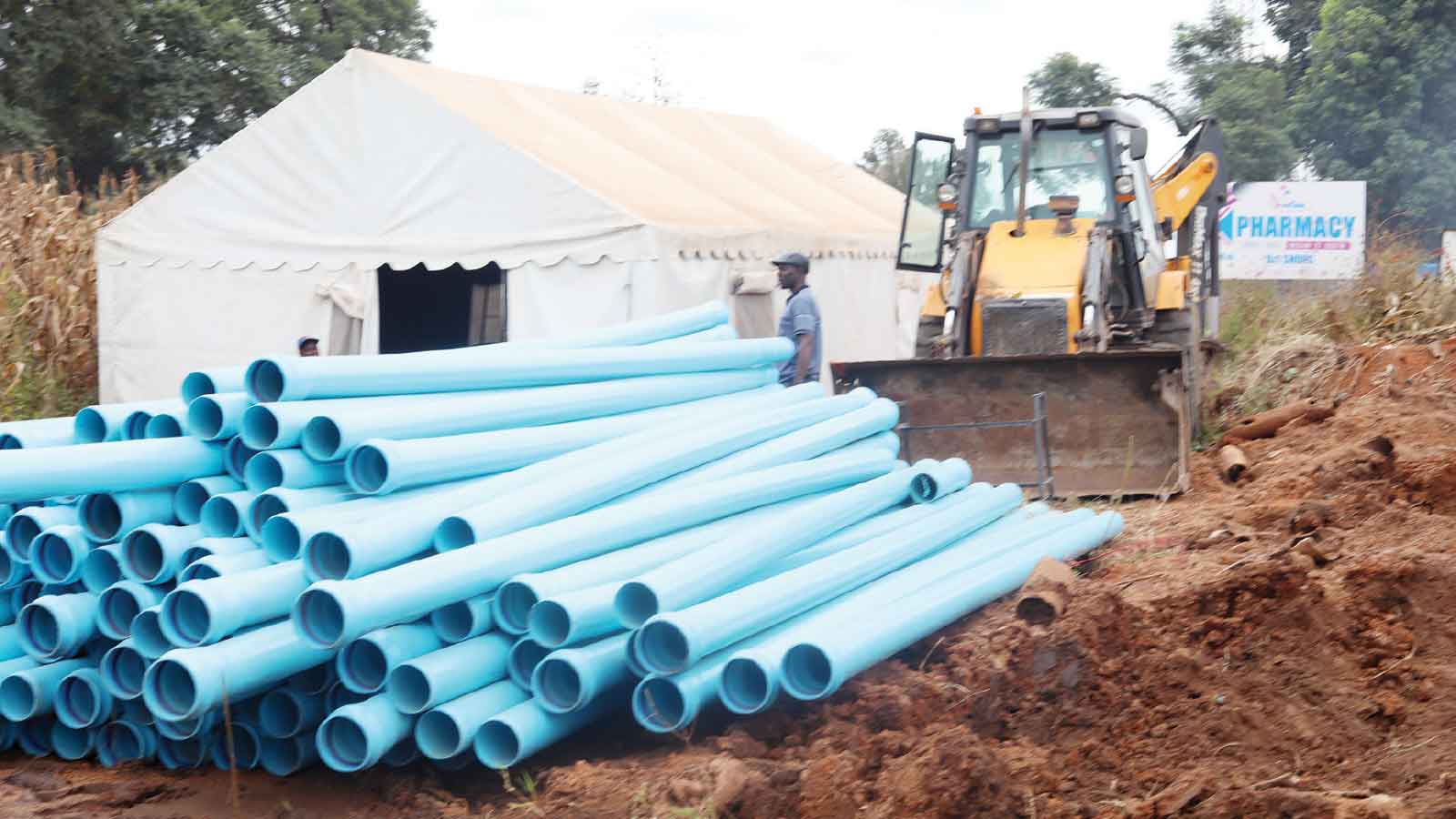
This intervention is expected to significantly improve both the city’s financial health and the public’s access to clean water.
Technical hurdles
During our crews’ tour of suburbs where prepaid meters are being rolled out, Tawanda Musarurwa, an engineer with Helcraw Water — the firm installing the gadgets — shed light on some of the technical difficulties faced on-site.
“We are seeing significant leaks within property boundaries after the meter is installed. This means water is being lost inside the home, which drives up costs for the resident,” Musarurwa explained.
To mitigate this, especially in older homes, the company is bypassing internal pipes by installing a single garden tap.
While not ideal, it prevents residents from paying for water lost to underground leaks in old pipes.
“Since we have seen the issue, we have resorted to not connecting directly into the house in certain cases . . . which is more cost-effective and reduces the risk of internal leaks,” he said.
Musarurwa also addressed the pushback against the rollout, suggesting that many complaints come from those who have not even received the meters yet, fuelled by general frustration with the city’s water woes rather than the technology itself.
Decades of decay
Harare’s infrastructure crisis is not new.
As far back as January 2006, then-Minister of Water Resources Engineer Munacho Mutezo reported that the city was losing between 40 percent and 60 percent of its treated water to leaks.
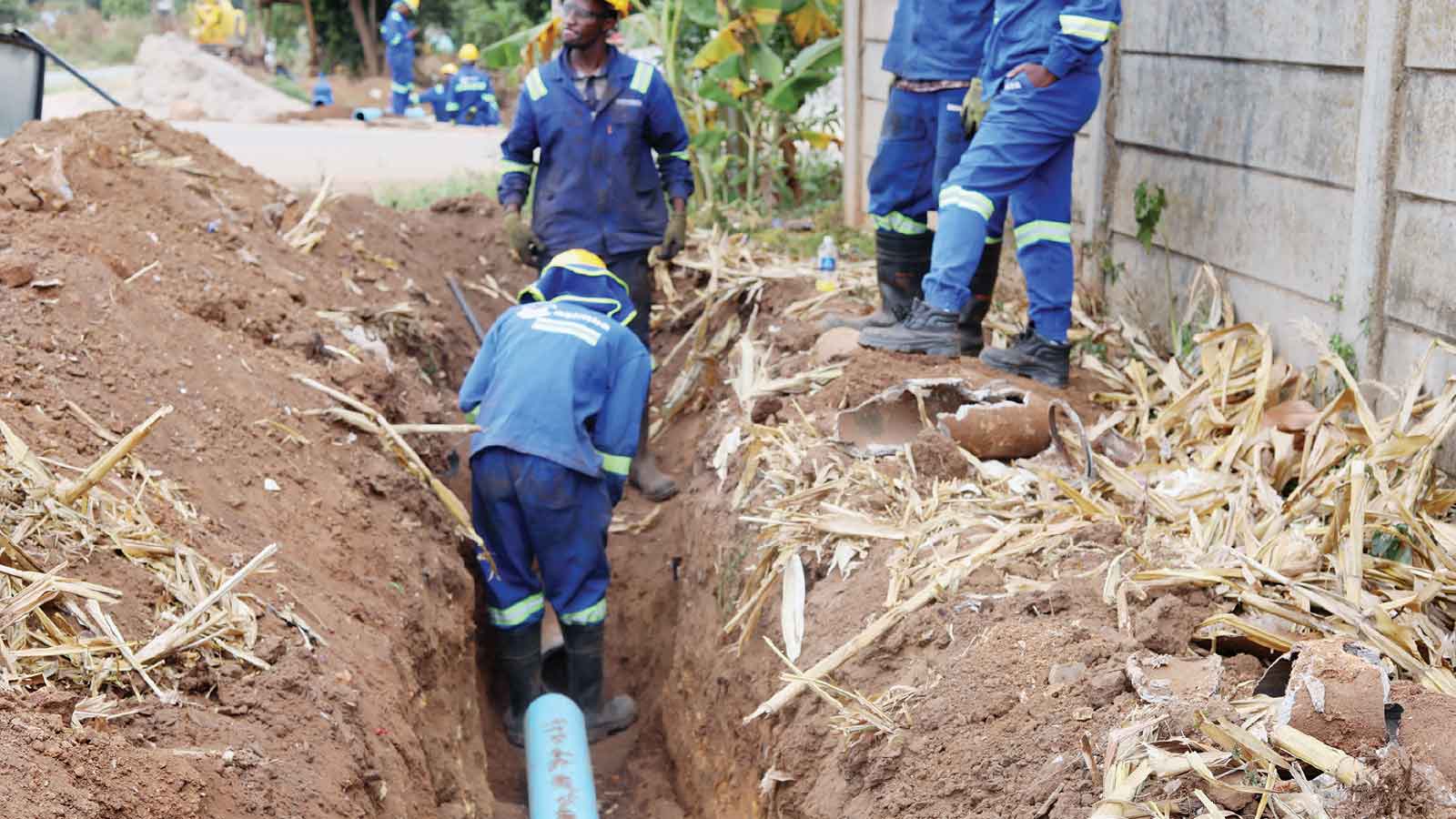
That same year, a US$60 million project was initiated to replace the 50-year-old Ganges water line that feeds Belvedere, Ridgeview and the city centre from the Warren control station.
Fast-forward 20 years, and despite Central Government interventions, the city is still plagued by frequent pipe bursts and outdated treatment plants.
Despite these challenges, there is lingering hope that this modernisation is the first step towards a broader transformation.
“There is potential here,” says Chikono of Warren Park.
“If the council can fix the supply side, this system will work perfectly.”
Harare Mayor Councillor Jacob Mafume recently highlighted the significant benefits of prepaid water meters currently being installed by the City of Harare, in partnership with Helcraw Water.
He explained that the new system directly addresses longstanding complaints from residents who felt unfairly charged for water they did not receive.
“People were complaining that the council was charging them for what it was not able to provide. But once you have a prepaid water meter, if you do not get water, we will not charge you. We are no longer giving you a bill based on estimates,” he said.
Cllr Mafume also emphasised the convenience of the platform, noting that ratepayers can now pay for water through mobile platforms.
This, he said, not only simplifies transactions for households but also ensures that the council receives funds in advance and in real-time, enabling further investment in water infrastructure.
In addition, he revealed that the City of Harare is actively rehabilitating its water system.
This includes purchasing new equipment and implementing proper maintenance practices to improve supply reliability.
After all is said and done, the message from Harare’s residents is unmistakable: Technology is a welcome development, but it cannot stand alone.
It must be supported by reliable service delivery and sustained investment in infrastructure.
Only then will the promise of prepaid water meters be fully realised — not merely as a tool for revenue collection, but as a genuine guarantee of access to one of life’s most essential resources.