Inside ZIFA
Nqobile Magwizi
THE future of Zimbabwean football is taking shape in two places that supporters rarely see: the room where referees learn to review a decisive incident, and the training ground where a player’s effort becomes measurable evidence.
These developments share a powerful purpose.
They can help us make better decisions, reward performance and build greater confidence in our game.
Above all, they signal a change in mindset: Success must be prepared for, measured and pursued systematically.
Through video assistant referee (VAR) technology and GPS player-performance tracking, ZIFA is laying foundations for a more scientific, competitive and credible football environment.
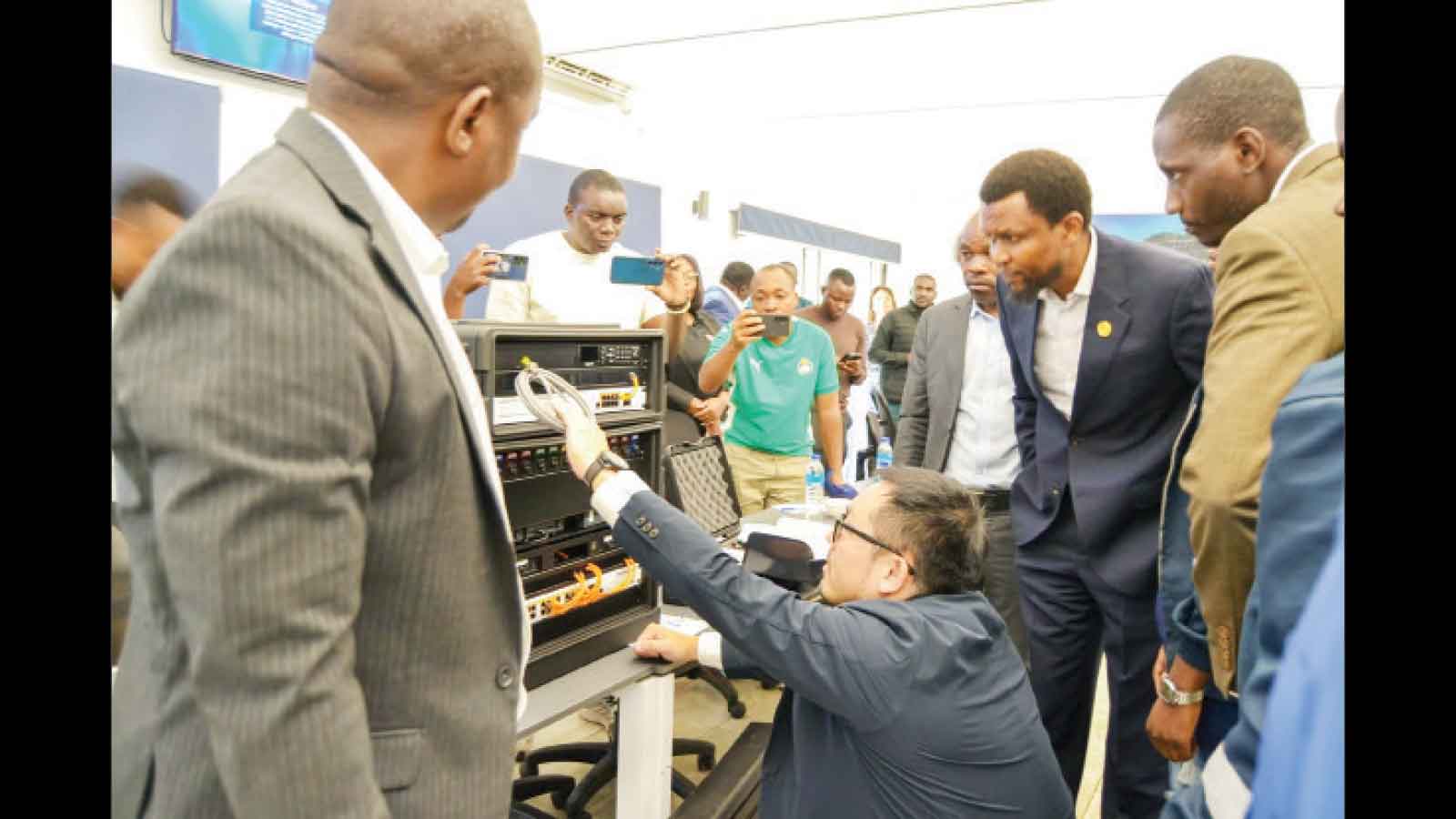
Following the launch of our VAR initiative last month, more than 50 referees are undergoing training at the ZESA Training Institute in Belvedere, Harare.
This is an investment in people as much as equipment.
Technology delivers value when those entrusted with it understand its capabilities, follow its protocols and exercise sound judgement under pressure.
Our referees make decisions in seconds, often amid extraordinary tension.
VAR provides additional support for reviewing specified, potentially match-changing incidents.
Used correctly, it can help address clear errors and strengthen confidence in the fairness of competition.
The initiative, supported financially by Sakunda Holdings and technically by Seb4Vision, represents an important step in modernising our game.
Its introduction must be accompanied by patience, professional training and public understanding.
VAR will not eliminate every disagreement. Football will remain emotional, and decisions will continue to provoke debate.
Our responsibility is to build a system that supports more accurate decisions and earns trust through consistent application.
Alongside this work, a FIFA Forward-funded project will provide GPS tracking technology to all 18 Premier Soccer League (PSL) clubs beginning with the 2027 season.
This investment brings scientific preparation closer to the everyday life of domestic football.
GPS tracking is already being used within the Warriors, Mighty Warriors and Young Warriors setups.
Extending it to PSL clubs will help establish greater continuity between club football and national-team preparation.
Wearable tracking equipment can help technical teams understand players’ physical output, including movement, distance covered and high-intensity efforts.
Collected consistently and interpreted properly, this information can guide training, workload management and assessments of readiness.
Consider a player working tirelessly beyond the ball: covering space, supporting attacks and recovering to defend. Some of that contribution can escape casual observation. Tracking data can help make it visible.
Equally, a player’s reduced output may prompt a useful conversation about fatigue, recovery or conditioning.
Coaches gain another means of understanding what their players need before the next contest.
The connection: Better evidence, better decisions
VAR and GPS tracking serve different functions, but their connection is fundamental.
VAR helps officials assess decisive moments during competition. GPS tracking helps coaches understand the preparation and physical performance behind those moments.
Together, they encourage a football culture in which decisions can be examined against evidence.
For clubs, this means moving towards team selection grounded in merit, readiness and demonstrated performance. Reputation and past achievement have their place, but players must also be assessed on what they are delivering now.
GPS figures cannot determine a starting 11 by themselves. Technical ability, tactical understanding, discipline, decision-making and the demands of a particular opponent remain essential.
Data strengthens the coach’s judgement by adding information that observation alone may miss.
The ambition is to reduce avoidable uncertainty.
Match day should be the expression of deliberate preparation, with coaches knowing more about their players and players understanding more clearly what is expected of them.
Introducing tracking across the PSL also creates an opportunity to improve the information available to national-team coaches.
Consistently collected club data can help coaches follow players over time, assess physical readiness and understand the workloads they carry before international duty.
Its usefulness will depend on agreed standards, reliable interpretation and responsible sharing between clubs and national teams. This can support a clearer pathway from domestic performance to national consideration.
For an emerging player, that prospect matters.
Sustained effort and strong performances should build a compelling case for opportunity.
For Zimbabwe, better information can strengthen the process through which talent is identified, prepared and selected.
The greatest change will come through the habits these tools encourage.
Coaches must become comfortable asking what the evidence reveals. Players must embrace preparation, recovery and accountability. Administrators must invest in the expertise and maintenance that keep systems useful.
Supporters must be helped to understand how technology serves the game.
Equipment alone will not raise standards. People who use it thoughtfully will.
Imagine a PSL in which every club can better understand its players’ physical demands; where national-team coaches receive useful performance information; where referees have stronger support; and where young footballers see a clearer relationship between effort, improvement and opportunity.
Zimbabwean football will always draw its beauty from talent, imagination and the passion of its people.
Technology can give those qualities a stronger foundation: fairer competition, more purposeful preparation and better-informed decisions. Our task is to turn these investments into everyday progress, so that the promise of Zimbabwean football becomes performance we can sustain.
Nqobile Magwizi is the president of ZIFA.