Chronicle Editor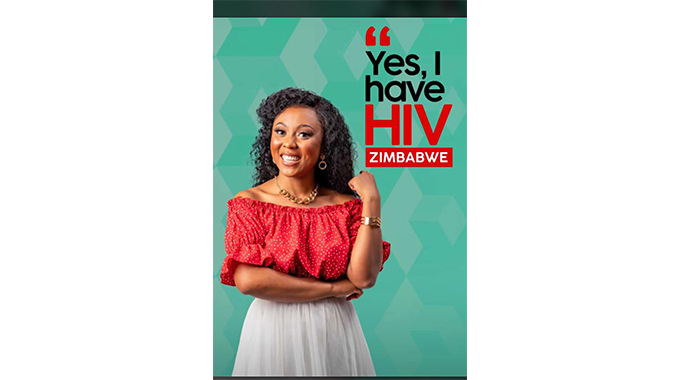
Natasha Mutsiba, [email protected]
BEING HIV-positive doesn’t mean it’s the end of the world; it doesn’t mean that there is no light at the end of the tunnel. In a world where people are so judgemental, the only way to conquer is to show the same people who look down upon you that you can achieve more than what they can achieve in their normal state.
Phyllis Mavushe, the first host of the “Yes, I have HIV” Zimbabwe TV show, shares her inspiring story with Chronicle Showbiz.
Mavushe reveals that the motivation behind the show was to provide a platform for people living with HIV to openly discuss their status and share their stories with someone who can truly relate to their experiences.
“It’s a welcoming home for people living with HIV to come and share their status with their loved ones, with me by their side offering all the support they need so that they can open up to their families,” she explains.
Reflecting on her own journey, Mavushe discloses that she discovered her HIV status while in high school.
“I got tested in 2011 when I was 16 years old, preparing to write my Zimsec exams. I had been falling ill several times, with recurring symptoms like boils and warts. After explaining my history of illness to the doctor, he suggested an HIV test before treating the symptoms, just to rule out the possibility. That’s when I found out I was HIV-positive,” she recalls.
Mavushe stresses the importance of readiness when it comes to opening up about one’s HIV status. She acknowledges that the reactions to disclosure can be varied and sometimes unpleasant, ranging from stigma and judgement to sympathy and disgust.
“It’s not always the case that you get rejected when you disclose. You need to be sure why you are disclosing and understand the purpose of sharing your HIV status. Most importantly, we encourage seeking support,” she advises.
To gauge someone’s readiness and understanding of HIV-related issues, Mavushe suggests a thoughtful approach.
“Pose different scenarios as if it’s someone else’s story. Ask the person you want to share with how they would feel and react if it happened to someone close to them. From their answers, you will know whether to proceed and disclose your HIV status,” she says.
While Mavushe hasn’t faced many challenges herself, she admits that relationships with the opposite sex have been difficult due to misconceptions surrounding HIV transmission.
“I faced challenges with relationships with the opposite sex because they were always afraid of what if I spread the virus to them and because of the misconceptions that were somehow strong around that time, they would always prefer to listen to those rather than the factual information like the Undetectable is un-transmittable fact. So they were always afraid” she says.
Fortunately, Mavushe has found unwavering support from her immediate family. Her mother, who is also living with HIV and her siblings who are HIV-negative, have accepted her status. However, she acknowledges that others face difficulties such as being isolated from certain belongings or being constantly moved from caregiver to another.
“My immediate family accepted me because my mother is also living with HIV and my siblings were tested and they were both negative. Those are the people whom I lived with most of the time and I never had challenges with them accepting my status. However, for some they have experienced difficulties such as their blankets and some of their things allocated to them only and not being allowed to touch other people’s things.
Some go to an extent of making sure that whenever there’s a person who is HIV-positive in the house, after bathing they go behind and scrub the floors with bleach where they would have bathed so as to avoid infecting other people.”
Expressing her compassion for children orphaned by HIV, Mavushe laments the constant displacement they endure due to their status.
“Some caregivers could not accept staying with someone who is living with HIV, leading these children to being moved from one caregiver to another,” she reveals.
In closing, Mavushe sends a message of hope to those living with HIV, assuring them that it is not the end of the world.
“You are more than a conqueror and do not limit yourself. HIV is not a death sentence, it is manageable and it’s something you can live with. Reach out for help, don’t bottle things up and together we will conquer” she said.



 Online Reporter