Bruce Ndlovu
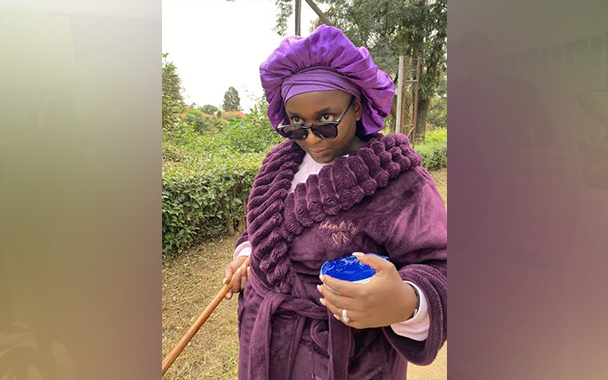
THERE was an audible gasp from the audience at the Bulawayo Arts Awards (BAAs) nominees’ dinner on Tuesday night when Saimon Mambazo Phiri announced that content creator Dramatic Miss had amassed 14 880 of the 64 147 votes cast for the People’s Choice Award.
The initial shock quickly gave way to raucous screams and cheers as the audience took in the sheer scale of the numbers. Dramatic Miss had scooped 23,2 percent of the total vote, while fellow content creator Vusuthando Adventures had secured 21,8 percent, placing the two firmly among the frontrunners for one of the awards’ most coveted accolades.
The reaction was hardly surprising. Both creators have built their brands from the ground up, steadily cultivating loyal audiences who have followed their journeys from humble beginnings to growing digital stardom.
Through their videos, followers have witnessed the highs and lows, the missteps, disappointments and triumphs, developing a connection that goes beyond the usual relationship between entertainer and audience. For many, these creators have become familiar faces, almost like extended members of the family.
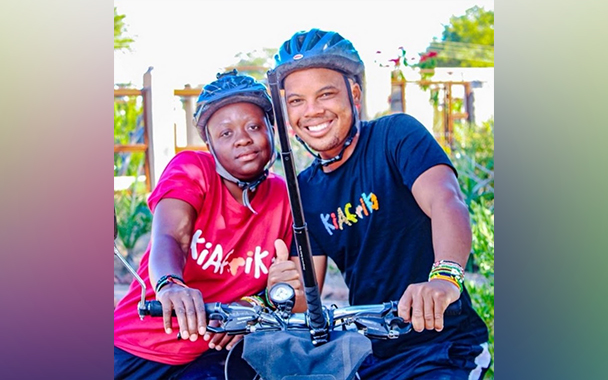
Their journeys have played out on thousands of screens across Zimbabwe and beyond its borders, with every new video offering another opportunity to entertain, connect and grow their following.
Yet, beyond the individual achievements of Dramatic Miss and Vusuthando Adventures, the numbers tell a much bigger story about the changing face of Bulawayo’s arts and entertainment landscape. Content creators are no longer peripheral figures in the city’s creative industry.
They are increasingly becoming some of its most influential players, commanding audiences and attracting the kind of public attention once reserved for established musicians and performers.
In previous years, the BAAs nomination lists largely reflected the traditional arts disciplines that dominated the city’s entertainment scene.
Music, in particular, enjoyed a strong presence, with the winners of the People’s Choice Award providing a useful snapshot of where popular support lay. Past recipients have included established names such as Mai Mwamuka, Msizkay, Insimbi ZeZhwane and DJ Mzoe.
This year’s awards, however, offer a glimpse into a different entertainment landscape, one in which content creators are increasingly sharing the spotlight with musicians and other established performers.
The shift also speaks to how the business of making stars has changed.
In the past, aspiring entertainers often needed access to recording studios, professional production equipment, theatres or major performance stages to reach a sizeable audience.
Today, a street corner, a modest living room or an everyday encounter can provide the setting for a viral production. A smartphone, a tripod and an idea are sometimes all that stand between an aspiring creator and thousands of viewers.
The numbers from this year’s People’s Choice Award race offer perhaps the clearest indication yet of just how far this shift has travelled.
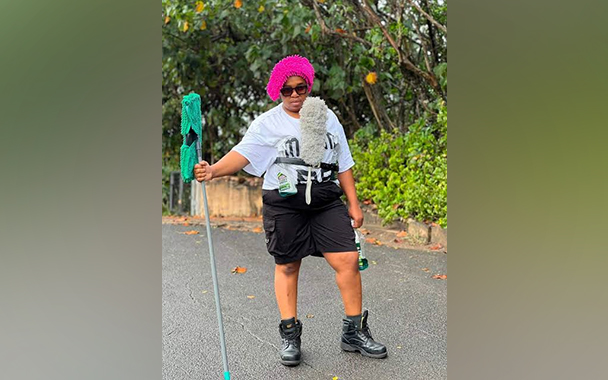
Of the 10 contenders in the category, five were content creators, namely Dramatic Miss, Vusuthando Adventures, Netty Nkanyezi, Laiza the Mop Driver and Young Steazy. More significantly, they occupied the top three positions, with Dramatic Miss, Vusuthando Adventures and Netty Nkanyezi leading the pack.
Collectively, the five content creators accounted for 36 325 votes, representing 56,2 percent of the total votes cast. In other words, they attracted more than half of the support in a category that has traditionally been dominated by established entertainers.
In an interview with our sister paper, Chronicle, Phiri said the figures point to the growing appeal of a category whose fortunes have been shifting throughout the voting period.
“This year’s People’s Choice Award race is heating up and we’ve seen content creators take turns on different days to shoot to the top of the pile. This signals a certain pull that this category has, but in the past, we’ve seen creatives winning by bigger margins, being all-out in front,” Phiri said.
The changing balance of power has also raised questions about what this new wave of digital entertainers means for the wider creative industry, particularly traditional performers who have long relied on established structures to develop and showcase their work.
Veteran playwright and one of the organisers of the BAAs, Raisedon Baya, said he believed the accessibility of digital platforms has created an unpredictable environment in which traditional industry structures and gatekeepers are losing their influence.
“In Zimbabwe, it is different because very few actors are formally trained anyway. If we had proper structures, trained actors would have stood together and asked how they could be protected.
“Right now, it is like street football, anyone can come in, play and leave as they please. In the end, only the strongest, the most visible or the most daring survive. We have not seen the best yet because the nature of the medium is confusing. Even those we once called gatekeepers are being swept aside,” he said.
Baya’s observations point to an industry still finding its feet, where the opportunities offered by digital platforms have not necessarily been matched by systems that can nurture talent, protect practitioners or provide clear career pathways.
However, veteran entertainer Madlela Skhobokhobo said the growing popularity of content creators should not be dismissed as a passing social media craze. He argues that building a substantial following requires hard work and an understanding of what audiences want.
“Young content creators are doing well, as shown by their numbers. It is not easy to amass followers, and when many people gravitate towards someone’s content, it means it resonates.
“What is critical is consistency — you cannot take people to the mountaintop today and drop them tomorrow. Skits must be well thought out because these platforms have wide reach,” he said.