Online Reporter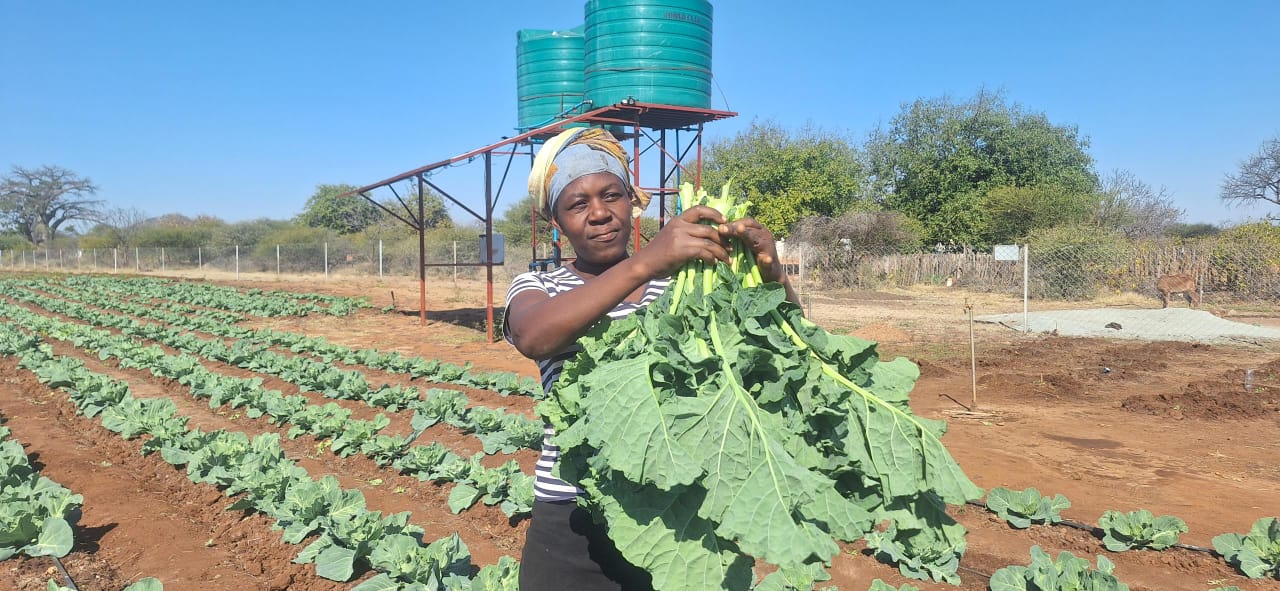
Lynnia Ngwenya
FOR decades, families in Gwanda have relied on gardening along streambanks to survive. The rich soils and readily available water made it possible to grow vegetables throughout much of the year, helping households put food on the table and earn an income.
But while the practice sustained many families, it also came at a cost. Year after year, streambank cultivation gradually stripped away vegetation that protects rivers and streams, leaving fragile ecosystems exposed to erosion and degradation.
Today, communities in Gwanda are proving that it is possible to protect the environment without sacrificing livelihoods. Through a combination of community engagement, training and practical support, many families have moved away from streambank cultivation and embraced a new way of farming that is improving both their incomes and the health of the environment.
Among those leading this transformation is Ms Pauline Moyo from Ward 16.
For more than two decades, streambank gardening was a central part of her life. Like many others in the community, she depended on the vegetables she grew to support her family.
“I have been cultivating along the streambank for more than 20 years. To me, it has always been about the income I earn from the garden,” she said.
At the time, the focus was simple: earning a living. Few people gave much thought to the long-term impact that cultivating along riverbanks was having on the environment.
As vegetation disappeared, streambanks became increasingly vulnerable. During the rainy season, soil was washed away into rivers and streams, causing erosion and affecting water sources that local communities depend on.
Convincing people to move away from streambanks was not easy. For many households, gardening is one of the most reliable sources of food and income, particularly during difficult economic times.
“When we were told how much pressure we are putting on the streambanks, we were saddened,” recalls Ms Moyo.
“At the same time, we felt hopeless because we did not know where we would continue gardening.”
Her concerns were shared by many others across Gwanda.
In Paye Village in Ward 14, Ms Sihle Nkomo faced a similar dilemma. As a mother of three, she relied heavily on income earned from her garden to meet her family’s daily needs.
“My children need to go to school, have proper clothing and stay healthy. When we were told to stop gardening, it felt like our families were being pushed deeper into poverty,” said Ms Nkomo.
For many families, leaving the streambanks felt like losing their only source of security.
However, what initially appeared to be a threat to their livelihoods soon became an opportunity for change.
The turning point came through continuous engagement by the Environmental Management Agency (EMA) and
Brethren in Christ-Compassionate Development Services (BIC-CDS) under the LINCZ Project.
Through community meetings, awareness campaigns and practical training sessions, people began to understand the importance of protecting streambanks and the long-term benefits of sustainable farming practices.
Crucially, communities were not simply told to stop gardening. Instead, they were supported to find alternative land where they could continue farming without damaging environmentally sensitive areas.
New community gardens were established away from streambanks, complete with protective fencing and improved infrastructure to support production.
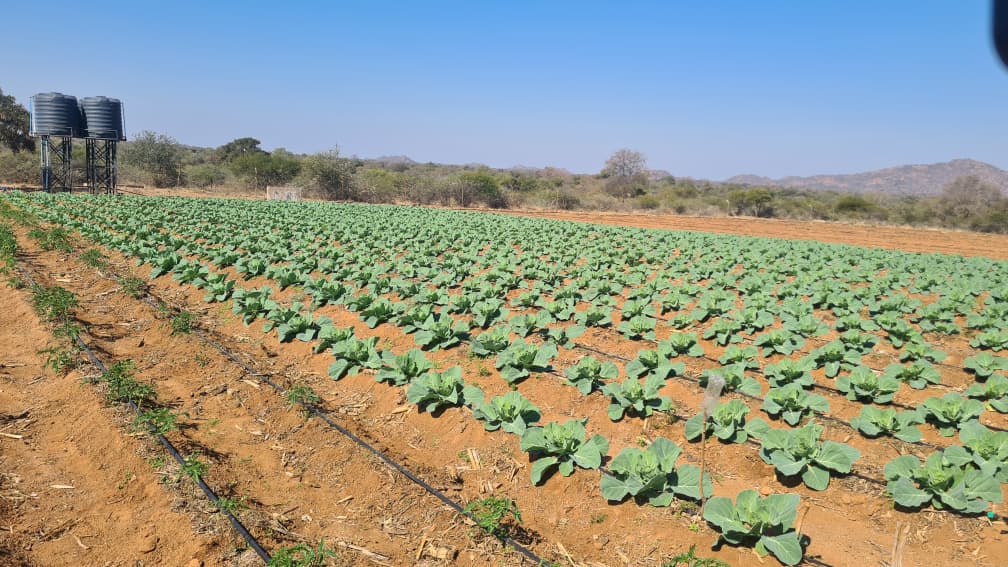
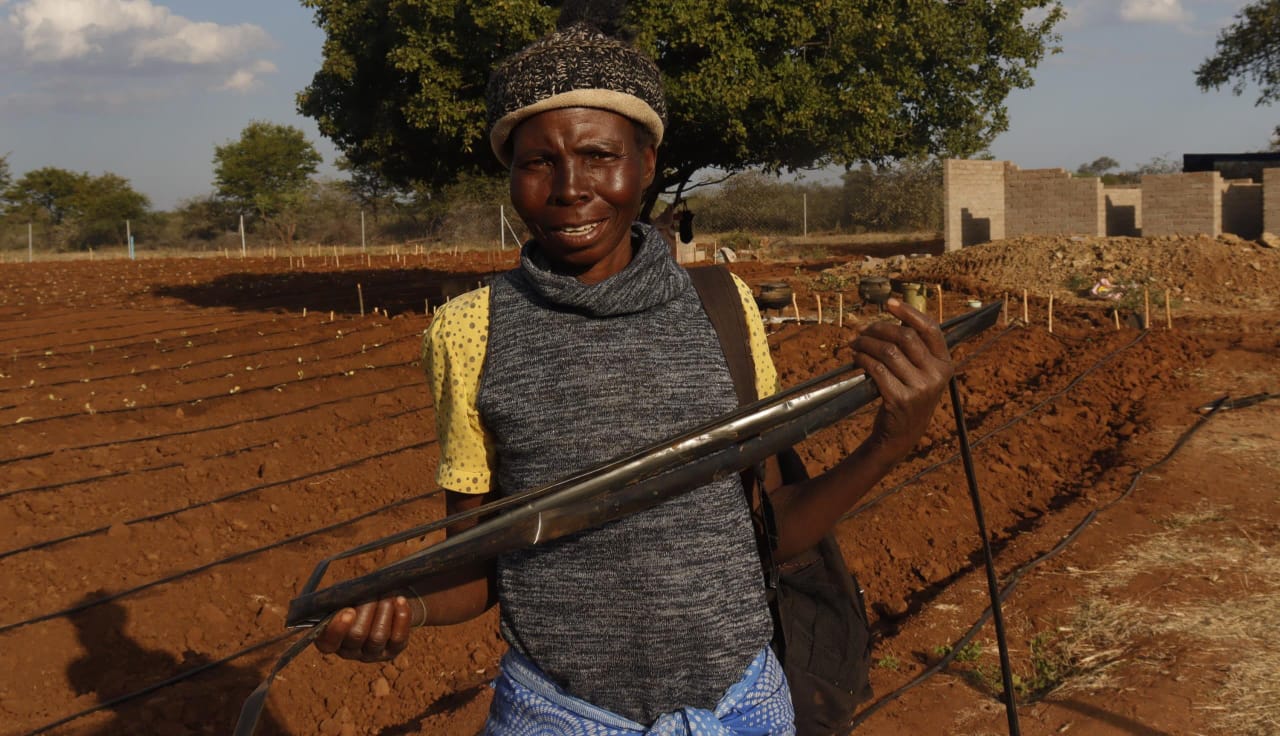
To ensure reliable access to water, solar-powered irrigation systems have been installed at Paye and Baetapele gardens, while installation of a similar system at Ntalale Garden is at an advanced stage.
Community members have played an active role in establishing the gardens, contributing labour and helping to
shape the projects. Their involvement has strengthened a sense of ownership and commitment.
For Ms Moyo, the results have exceeded expectations.
“Today, it feels like a dream come true for the whole community. We have established a garden and named it Baetapele, meaning ‘going forward’,” said Ms Moyo.
“We have started transplanting different seedlings, and we are hopeful for a good harvest.”
The new garden symbolises a fresh start for the community. Beyond providing a secure place to farm, it has also created opportunities to diversify production.
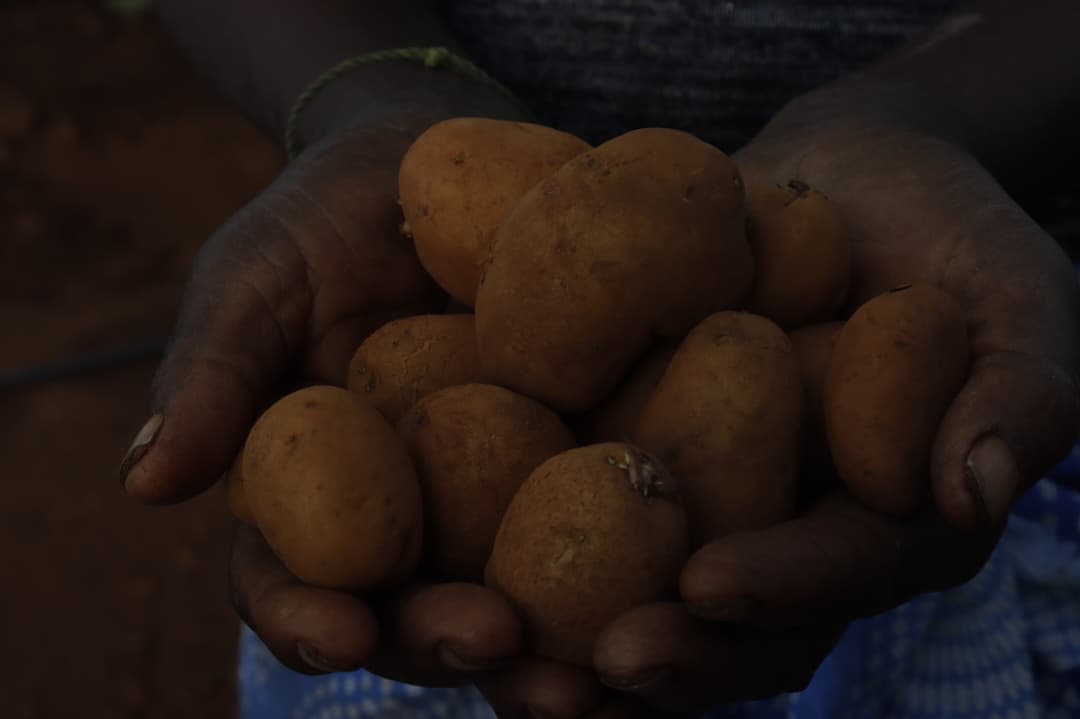
For the first time, members are growing crops such as potatoes and cabbage alongside their traditional vegetables.
“One of the things that makes Ms Moyo most proud is the opportunity to grow crops they had never cultivated before.”
“With these new crops, we expect to earn more income than we did before,” she said.
The shift is also opening doors to better markets and more stable earnings, giving families greater confidence about the future.
In Paye Garden, the transformation is already visible.
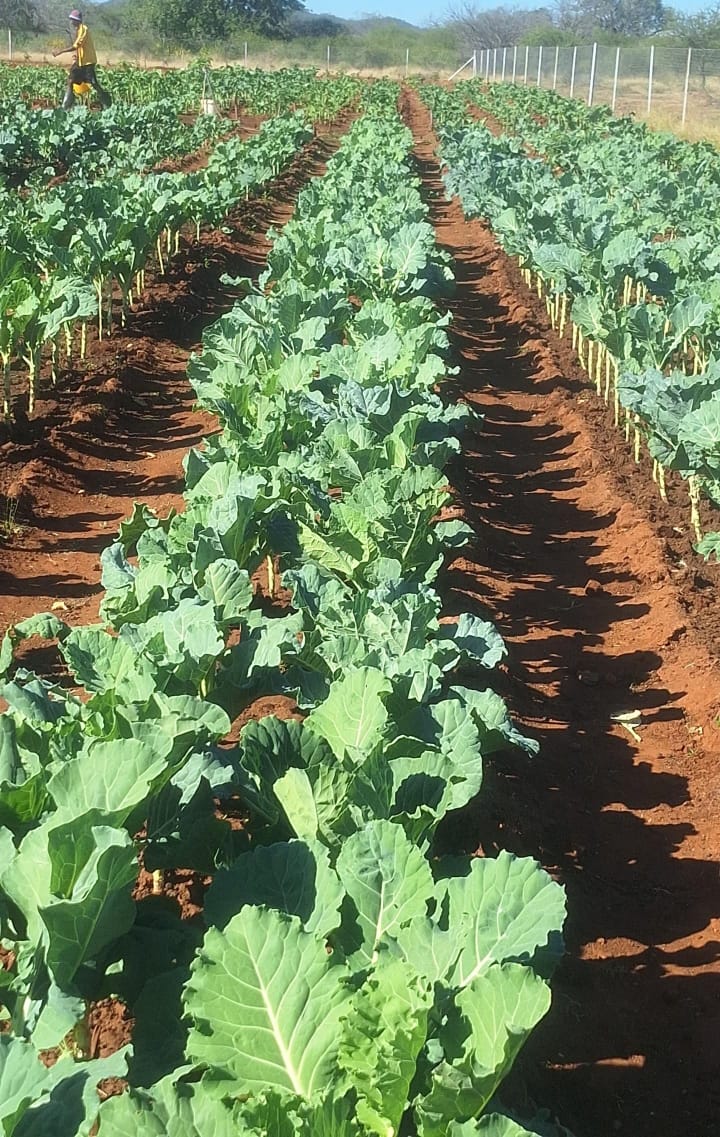
Rows of thriving Chomolia and cabbage stretch across the garden beds, while members have already harvested sugar beans. The fenced garden has addressed many of the challenges that previously made farming difficult.
“One of our biggest challenges was livestock destroying our crops, and we also experienced theft,” said Ms Nkomo, holding a bunch of fresh Chomolia. “Now our garden is fenced, our crops are secure, and we look forward to harvesting with confidence.”
Like Baetapele Garden, Paye is also growing cabbage for the first time, an achievement that reflects the community’s progress towards more diverse and sustainable farming.
In Ntalale Village, Ward 11, another chapter of the story is being written.
The community also has a long history of cultivating along streambanks, but residents are now working towards a more sustainable future through the development of a new community garden supported by an irrigation system.
Ms Precious Ngwenya, 34, is among those eagerly awaiting its completion.
“We have cleared the land and are now working hard to ensure that water reaches our garden. Even though we had gardens along the river, they were not very productive during the dry season. We believe this new garden will give us better harvests,” she said.
The benefits of the new gardens extend beyond vegetable production.
Each garden also includes an orchard, providing families with access to a wider variety of nutritious fruits. The orchards are expected to improve household nutrition while creating additional opportunities for income generation.
What started as a difficult and uncertain transition has become a powerful story of resilience, adaptation and hope.
Across Ward 11, Ward 14 and Ward 16, communities are demonstrating that environmental conservation and economic development can go hand in hand.
By moving away from streambank cultivation, families have established safer, more productive gardens, embraced improved farming methods and expanded the range of crops they grow. At the same time, damaged streambanks are beginning to recover, helping protect the water sources and ecosystems on which future generations will depend.
For the people of Gwanda, the journey has not simply been about changing where they farm. It has been about building a future where both communities and nature can thrive together.