Online Reporter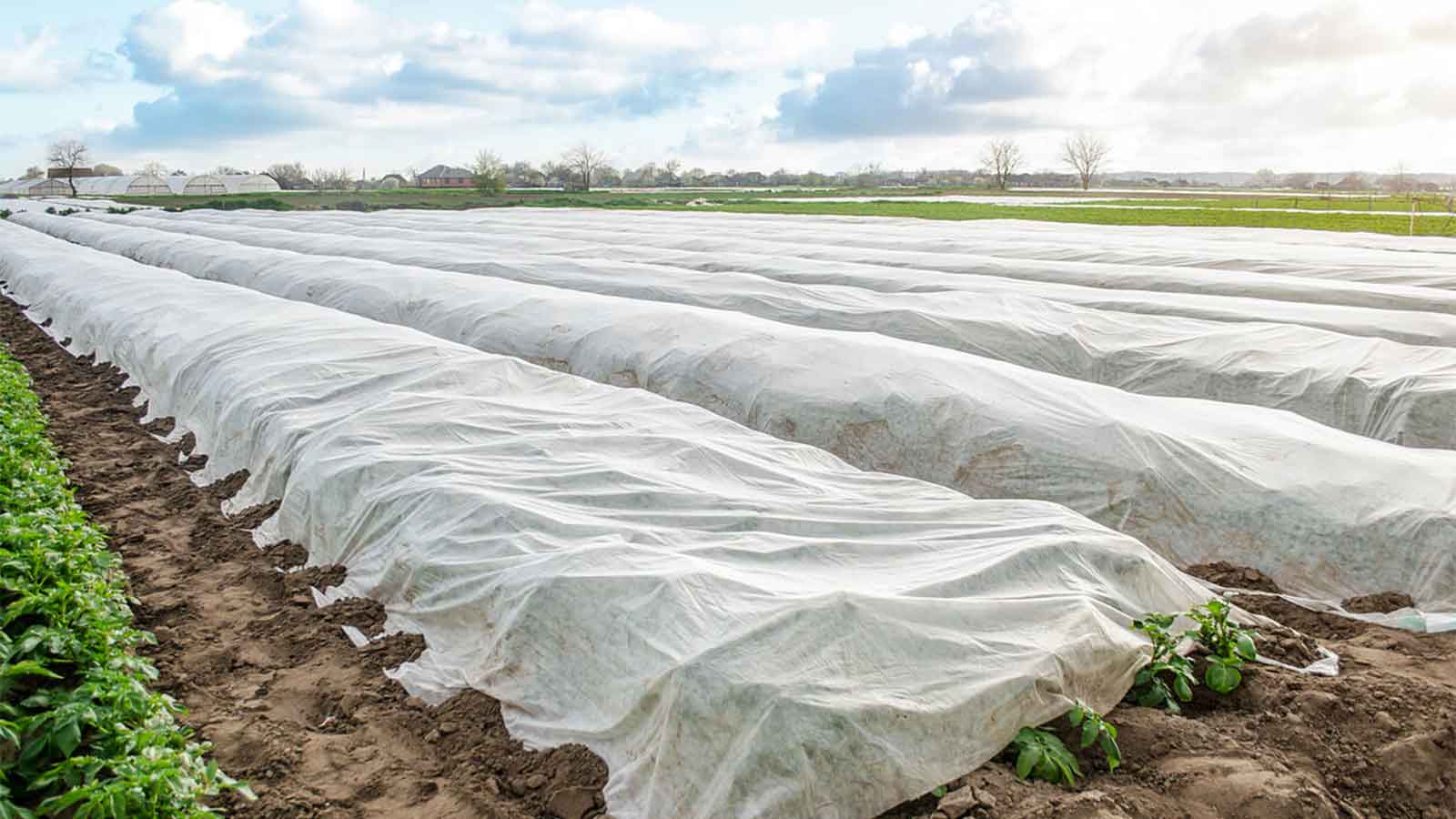
Obert Chifamba
Agri-Insight
FROST will never knock on your door one night requesting permission to strike your crops.
It simply strikes during the coldest hours, turning thriving fields into losses overnight.
A single night of freezing temperatures can damage crops, scorch leaves and destroy flowering, especially where farms are exposed in valleys and open fields.
This usually happens during the cold month of July. Incidentally, we have just entered that deadly stretch of the winter season.
It is the season we are moving through as we speak.
However, with the right precautions, farmers can reduce damage, protect yields and recover faster after a cold snap.
Preparing beforehand often turns a potentially disastrous situation into an exercise in effective damage control.
Farmers’ most effective defence against frost is not a single tool but a system that incorporates better crop and variety selection, proper management of planting dates and field microclimates, maintenance of soil cover and mulching, deployment of physical covers for seedlings and high-value plots, use of irrigation where feasible and appropriately timed, and close monitoring of crops’ post-frost recovery.
When weather experts issue frost warnings, panic often spreads among farmers faster than the cold spell itself. Instead of being paralysed, farmers need to spring into action and implement some or all of the above-mentioned measures to save their crops.
Protection works best when farmers prepare early, target the most sensitive growth stages and use the right methods at the right time.
It is a fact that many frost-related disasters can be prevented or their impact reduced through smart crop planning, sound field management and timely protection measures.
With many winter crops, the earliest growth stages are the most fragile. If frost strikes young plants at the wrong time, the season can collapse before it has properly begun.
Generally, frost is viewed as a pure threat, although it can at times have complex effects on pests, weeds and disease pressure.
Frost is one of those weather events that often seems unfair to farmers, with one night of extreme cold capable of undoing weeks or even months of hard work.
In Zimbabwe, where many crops rely on winter rainfall patterns and seasonal temperature cues, frost risk is especially important for farmers growing winter vegetables and field crops such as wheat, barley, peas, oats, some brassicas (such as cabbages), and certain legumes and cover crops.
Even crops that are considered cold-tolerant may suffer if frost intensity, duration and wind conditions exceed what they can withstand.
Frost is dangerous, but the right precautions can help crops survive and recover.
Of course, not every frost-management tactic works for every farm. Some methods are too expensive, poorly timed or unsuitable for particular conditions.
It is therefore critical for farmers to focus on strategies that are realistic for their circumstances.
Remember, winter farming is all about timing, and frost puts that timing to the test every year.
Farmers need more than hope during cold nights; they need a sound plan. They can build warmer microclimates and respond immediately when cold weather threatens.
The best frost prevention starts with how farmers position their crops and manage their land.
From variety selection and mulching to protective covers, irrigation and post-frost recovery, there are several effective options available.
It is common knowledge that frost occurs when the temperature near the ground drops below the freezing point of water — zero degrees Celsius (0°C) — and water vapour condenses and freezes on plant surfaces or soil.
The most damaging frosts occur through radiation on clear, calm nights that allow heat to escape from the soil into the atmosphere, causing temperatures near the ground to drop rapidly. Strong, cold winds from elsewhere can also move in and chill plants severely.
For farmers, the crucial factor is that frost risk is usually highest close to the ground, particularly in low-lying areas and valleys where cold air accumulates.
Before worrying about covers and protection methods, farmers should start with the right agronomic decisions.
Choosing frost-tolerant crop varieties can make a significant difference.
These are varieties known to withstand cold conditions in similar agro-ecological zones.
Astute farmers work closely with local extension officers and seed suppliers and also conduct trials using crop varieties from nearby regions.
Sometimes farmers can improve their situation simply by adjusting planting dates.
One of the most effective strategies for preventing frost damage is reducing crops’ exposure to hostile temperatures.
It is easy to appreciate that selecting a planting time that ensures the most sensitive growth stages — such as flowering, early vegetative growth or seedling establishment — do not coincide with peak frost season can significantly reduce risk.
Where this is no longer possible, farmers can mitigate potential impacts by managing factors such as mulching, irrigation and the establishment of windbreaks.
Another effective strategy is to adjust planting dates in the following season so that frost occurs when it poses less of a threat to crops.
It is also important for farmers to understand growth-stage sensitivity, given that crops are not equally vulnerable throughout their development.
Young seedlings, for instance, generally have less protective tissue and are highly susceptible to frost damage. Flowering crops, on the other hand, are often extremely sensitive because frost can damage reproductive structures, reducing yields even if the plants survive.
This makes it especially important for farmers to remain vigilant when crops are in these high-risk stages and to plan protection measures accordingly.
Interestingly, there are simple and cost-effective ways of minimising frost damage.
One of these is to avoid planting in low-lying depressions, river flats and valleys that trap cold air.
Where this cannot be avoided, farmers can compensate by strengthening microclimate protection through windbreaks, mulching, water management and active frost-protection measures.
Farmers can establish windbreaks using trees, hedges or even temporary barriers such as thick vegetation strips where feasible.
Windbreaks should be positioned to reduce harsh exposure without excessively trapping cold air.
Farmers should seek local guidance because windbreak design depends on prevailing winds and field layout.
Additionally, farmers should work to improve drainage and soil structure. Poor drainage can create waterlogged soils, affecting root health, reducing resilience after cold events, altering temperature dynamics and increasing disease risks.
Healthy, well-structured soils aid crop recovery after frost and improve overall plant vigour, which is crucial for survival.
Mulching can also reduce heat loss by insulating the soil, reducing radiative cooling at the surface and moderating daily temperature fluctuations.
Depending on what is locally available, farmers can use crop residues such as straw, maize stover (where compatible with field conditions), grass, leaf litter or even plastic mulches where feasible and economically viable.