admin
admin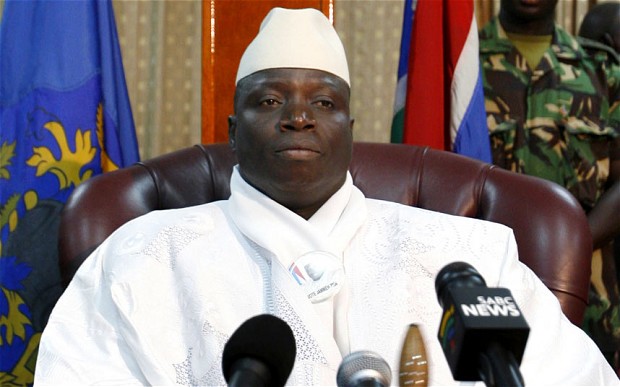
BANJUL. — The Gambian government has announced that the former British colony is pulling out of the Commonwealth with immediate effect, saying it would “never be a member of any neo-colonial institution”.
“The general public is hereby informed that the government of the Gambia has left the Commonwealth of Nations with immediate effect,” it said in a statement.
“(The) government has withdrawn its membership of the British Commonwealth and decided that the Gambia will never be a member of any neo-colonial institution and will never be a party to any institution that represents an extension of colonialism.”
The Commonwealth bloc is a voluntary association of more than 50 countries, many of them former territories of the British empire. No further details were given but a foreign ministry official, speaking on condition of anonymity, told AFP that the decision came after the government rejected a proposal by the Commonwealth last year to create commissions in Banjul to protect human rights, media rights and fight against corruption.
The proposal followed an April 2012 visit to the Gambia by Commonwealth Secretary General Kamalesh Sharma, during which he met with President Yahya Jammeh and other top government officials.
Jammeh, has ruled the Gambia since seizing power in 1994.
Earlier this year, the Gambia was singled out for its poor rights record in Britain’s annual Human Rights and Democracy report, citing cases of unlawful detentions, illegal closures of newspapers and radio stations and discrimination against minority groups. A spokesman at the British Foreign and Commonwealth Office said yesterday: “We would very much regret Gambia, or any other country, deciding to leave the Commonwealth.”
He noted, however, that “decisions on Commonwealth membership are a matter for each member government”.
The west African anglophone nation, the smallest on the mainland, has long been dogged by rights concerns under Jammeh’s administration.
Jammeh, who seized power in a 1994 coup, brooks no criticism.
He has been re-elected to power three times. The man who claims he can cure Aids and other illnesses is often pilloried for rights abuses and the muzzling of journalists.
In 2010, the EU, the country’s top aid donor, cancelled US$30 million in budget support for Banjul because of concerns over human rights and governance. In August 2012, Jammeh came under attack from Amnesty International and others for sending nine prisoners to the firing squad and promising many more would go the same way.
Last year he warned foreign diplomats that his country would not be “bribed” with aid to accept homosexuality.
“If you are to give us aid for men and men or for women and women to marry, leave it. We don’t need your aid because as far as I am the president of the Gambia, you will never see that happen in this country,” he said.
And in a speech before the United Nations General Assembly last week, Jammeh called homosexuality a threat to human existence and criticised other countries for regarding it as a human right. He accused gays and lesbians of being one of the three “biggest threats to human existence”, a report says, naming the other two as greed and obsession.
Speaking during his address to the United Nations General Assembly, Jammeh said homosexuals were “more deadly than all natural disasters put together”, International Business Times said.
Gambia is among a number of African countries which are against homosexuality. In 2008, Jammeh ordered gay men and lesbians to leave Gambia or risk being beheaded, though he later retracted the comment and said he only wanted to banish gay people from the country. In January this year Jammeh also accused the European Union of trying to destabilise Gambia. — AFP.


 Online Reporter