admin
admin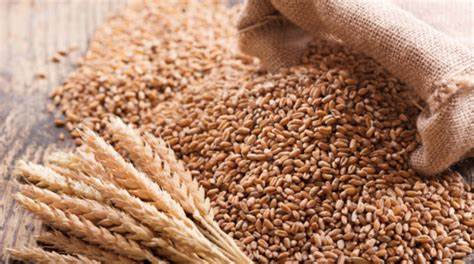
Agriculture Reporter
AFTER managing 86 000ha of wheat – only 4 000ha shy of the 90 000ha target for the 2023 winter wheat season, the Government is convinced its target of 430 000 tonnes of the cereal is still possible with good agronomic practices (GAP), as the country moves to maintain the food self-sufficiency status currently prevailing.
Lands, Agriculture, Fisheries, Water and Rural Development permanent secretary Dr John Basera told stakeholders attending a winter wheat field day in Raffingora recently that the projected 430 000 tonnes harvest was still achievable through high production volumes.
“We need to embrace GAP to ensure that we increase our productivity levels from 4, 7 to 5, 8 tonnes per hectare,” said Dr Basera.
Last season the country managed to plant 80 000ha of wheat.
Dr Basera urged farmers to engage their local agricultural extension officers for the necessary support on technical issues relating to irrigation management, fertiliser application regimes and any other good agricultural methods pertaining to wheat production.
“Let’s focus on every technical aspect to ensure production as we look towards another record wheat harvest,” said Dr Basera.
In addition, the Government is looking to host various farmer field days in the country’s wheat growing provinces to enhance the adoption of GAP.
“Extension officers should consistently hold field days, as wheat is a highly technical crop therefore every condition has to be met to make certain production success is achieved,” said Dr Basera.
The permanent secretary added: “This link up can provide insights and answers to various questions, which can be beneficial to farmers.”
The Government has since started putting in place measures to ensure the threat of the quelea birds that farmers face perennially is curtailed given that the birds are present in most wheat growing areas.
“We will be incorporating drone technology in the fight against quelea birds, as we look to safeguard every grain of wheat from the birds,” said Dr Basera.
The record 2022 wheat harvest laid a solid foundation for sustainable growth of the sub-sector and the country is targeting to achieve over 430 000 tonnes of wheat this season.
“The 2023 winter season programme aims to sustainably increase crop production and productivity to meet and surpass the national requirements for both human consumption and industrial use,” said Dr Basera.
The Ministry of Lands, Agriculture, Fisheries, Water and Rural Development has been working closely with ZESA and Zimbabwe National Water Authority (Zinwa) to ensure they are adequately prepared for the wheat season.
“It is Government’s role is to make sure there is constant power supplies, fuel and water to the wheat production clusters,” said Dr Basera.


 Online Reporter