

 malvernmugadzikwa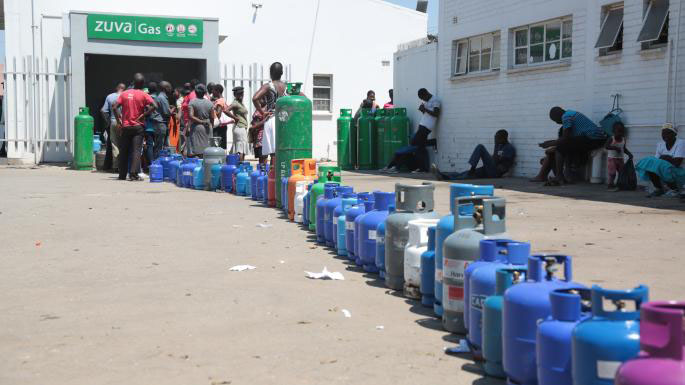
Business Writer
A ship carrying liquefied petroleum gas (LPG) destined for Zimbabwe was delayed to berthing at Port of Richards Bay in South Africa, causing widespread shortages on the domestic market.
The shortages have been compounded by a spike in demand for LPG following rolling electricity blackouts after ZESA, the power utility was ordered by the Zambezi River Authority (ZRA) to stop producing electricity at Kariba hydroelectric plant due to low usable water levels.
Zimbabwe can however still generate a maximum of 300MW from Kariba although it has been generating only 200MW in the last two days.
Some gas filling stations have dried up while long queues could be seen at some points in Harare.
Industry players told this publication that local gas dealers started loading on Tuesday “and the supply situation is expected to improve starting early next week.”
“The situation will improve starting next week but not so remarkably because of the current power situation,” said an official with a leading LPG company.
Zimbabwe was forced to more than halve its power production at the Kariba plant, its largest power station due to low water levels in the Kariba dam.
With Hwange thermal plants constantly facing breakdowns, the power situation has become so critical with households and businesses enduring longer periods of blackouts.
LPG is an alternative source of energy, especially for people living in urban areas.
With the uptake continuing to surge, Zimbabwe is already investing in strategic storage facilities in a bid to ensure uninterrupted supplies.
State-owned National Oil Company of Zimbabwe (NOIC) is looking to commission tanks with a storage capacity of 500 tonnes during the first quarter of 2023, according to officials.
Last year, Zimbabwe consumed 56 million kg of gas, according to official statistics.


 Online Reporter