admin
admin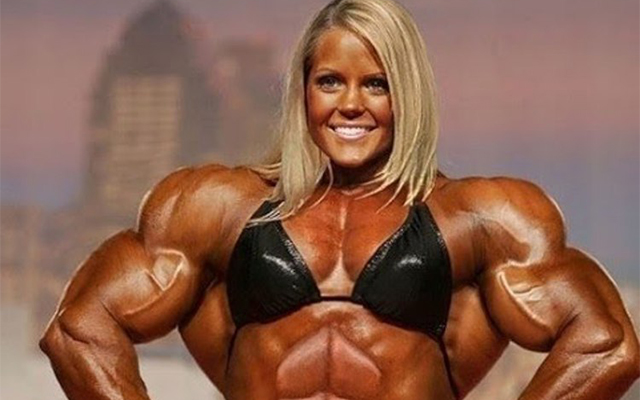
Since the sport of female bodybuilding was organised, gender discrimination has been an issue. People recognise that part of the feminine identity is sculpting their physical appearances and they usually associate the common feminine identity with slenderness and a trim figure. In Studies in Popular Culture A.J. Randall and colleagues describes this as the result of the patriarchal society which emphasises that femininity is created by altering the body for society’s gendered expectations.
When women venture away from the gender expectations, society’s view of their femininity begins to slip.
Female bodybuilders experience this criticism of their body, as they build bodies which are commonly associated with the masculine identity. Despite this there is a very dedicated female bodybuilding fan base.
The International Federation of Bodybuilding & Fitness has made several rules changes on the sport of female bodybuilding that relate to expected feminine identity.
In 1992, the IFBB, attempted to “feminise” the sport by making the judges deduct points from competitors who were “too big,” meaning too muscular. The IFBB then made a rule change in 2000 that emphasised a need for the women to decrease muscularity once again. Before Ms. International in 2005 the IFBB created another rule that required the women competing to decrease their own muscle mass by 20 percent to compete.[27] Yet the men’s bodybuilding rules have not changed in the same time period.
In Qualitative Research in Sport and Exercise Chris Shilling and Tanya Bunsell state that all of these rule changes reflect the IFBB’s attempts to make women more closely fit gender expectations, as they all emphasise the need for the female bodybuilders to become less massive.[28] Bunsell and Shilling further state that male bodybuilding hasn’t changed because their bodies are seen as masculine in identity, while female bodybuilding rules inhibit females from reaching the same muscularity.
Female bodybuilders are rewarded far less prize money for their competitions than their male counterparts.
For example, the 2012 Mr. Olympia winner received $250,000 in prize money while the Ms. Olympia winner only received $28,000 in prize money. — Wikipedia.



 Online Reporter