Andrew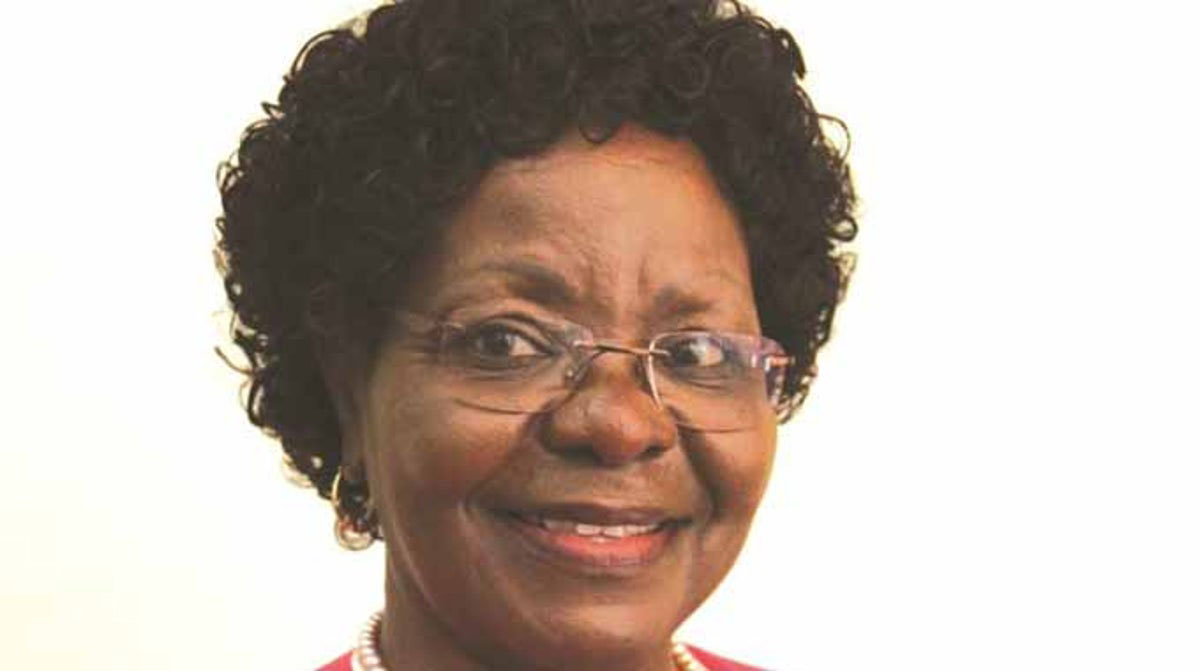
ON Tuesday, Zimbabwe joins the rest of the world in commemorating International Women’s Day. The Sunday Mail’s Gender and Community Affairs Editor, Fatima Bulla-Musakwa (FBM) spoke to Women Affairs, Community, Small and Medium Enterprises Development Minister Dr Sithembiso Nyoni (SN) on the commemorations and the Government’s thrust towards advancing gender equality.
**************
FBM: IWD is commemorated on March 8. How will Zimbabwe celebrate this momentous day?
SN: On March 8, Zimbabwe joins the rest of the world in commemorating International Women’s Day.
On this day we celebrate the economic, political and social achievements of women, their courage and significant determination in contributing to the country’s development and well-being. It is also a day to reflect on the challenges being faced by women including gender-based violence and the progress made in the advancement of women in pursuit of gender equality.
We are launching the national commemorations on March 8, under the international them: “Gender Equality for a Sustainable Tomorrow”, and our national theme is: “Gender Mainstreaming and Women Empowerment in Climate Change and Disaster Risk Management”.
The commemorations are a half-day event to be held at the Harare Gardens.
The main features of the event are a commemorations march from African Unity Square to Harare Gardens accompanied by the police band and drum majorettes, exhibitions by over 100 different organisations, mostly women including enterprises and other partners; solidarity messages from partners and organisations; presentations and a keynote address by myself as the Minister for Women Affairs, Community, Small and Medium Enterprises Development.
There will also be interludes of music and poems, free legal, health and finance service provision to the participants and awards giving ceremony to the best exhibitors.
There will also be press coverage which includes the release of a press statement on March 7, live streaming of the event on Facebook, presentations on Radio Zimbabwe and the Good Morning show on TV.
This is a day for us to celebrate the important role of women and we are inviting men, women and the youth to join us.
Come see and learn what women can do and get the chance to buy their products on display.
Come and benefit from the free services being offered.
FBM: Can you outline some of the major successes your Ministry has achieved in addressing GBV?
SN: My Ministry aims to promote an integrated approach towards the eradication of gender-based violence.
In addressing GBV, the Ministry is guided by the Domestic Violence Act of 2007.
Recently a High-Level Political Compact document on the eradication of GBV and harmful practices was launched by His Excellency President Mnangagwa and is going to steer the national direction towards ending GBV.
In responding to GBV, the Ministry continues to offer comprehensive GBV services through one-stop centres, the Police Victim Friendly Units and Safe Shelters throughout the country.
To date, the Ministry has established six one-stop centres in Manicaland, Midlands, Matabeleland South, Mashonaland West, Mashonaland Central and Harare Provinces.
The centres provide all key services required by a GBV or sexual violence survivor under one roof namely. The services include health, psychosocial, legal and police services.
The Ministry is also implementing the mobile one-stop centre concept to cater for those who are in hard-to-reach areas to access services.
Continuous awareness campaigns on GBV are being carried out in all the provinces and districts across the country.
FBM: Zimbabwe recorded an increase in reported cases of GBV during the Covid-19 pandemic. How do you plan to curb this vice going forward?
SN: Yes, our country recorded an increase in cases of GBV, especially during the Covid-19 lockdown period as couples were locked down and coupled with the anxiety of lost economic opportunities this increased the occurrence of GBV. My Ministry seeks to scale up efforts in ensuring holistic service provision to survivors of GBV.
To effectively prevent and respond to GBV a multi-sectoral and inter-agency approach is needed. Community services, protection, health, security and legal sectors need to work together to ensure that a comprehensive approach is implemented and that GBV prevention and response is integrated.
GBV in whatever form has got multiple effects on a survivor’s economic well-being, health, safety and security.
These effects of GBV call for a multi-sectoral response to effectively address this scourge.
The Ministry is also making efforts towards the economic empowerment of women as a key prevention measure.
Economic empowerment of women is integral to any sustainable approach to eradicating violence against women.
Studies show that women who control their own resources are less vulnerable to being victimised because of their gender.
We also encourage family harmony, whoever is the perpetrator, the Ministry always calls for dialogue and amicable ways of solving family disputes.
FBM: The IWD theme speaks to gender equality for a sustainable tomorrow. How far has Zimbabwe gone in achieving equality?
SN: Indeed, gender equality is crucial for a sustainable tomorrow or development of any country.
And as a country, we have made great strides in achieving gender equality.
Zimbabwe has a robust legal and institutional framework, which promotes gender equality and women empowerment.
The Constitution is progressive in terms of advancing women’s rights, as it contains an expansive Bill of Rights, gender equality notions and specific and elaborate rights for women.
The National Gender Policy provides a guiding framework for gender mainstreaming in all sectors of the economy.
The policy provides for concrete measures and strategies to mainstream gender in the following thematic areas: Constitutional and legal rights; economic empowerment; politics and decision making; health; education and training; gender-based violence; environment and climate change; media; information communication and technology; disability; culture; and religion.
The strategies contained in the policy do not only unlock the potential of women but take deliberate efforts to address the gender disparities across all sectors.
Although a lot still needs to be done in terms of promoting the participation of women in politics and decision-making, I believe as a country we have made some significant efforts in promoting gender equality.
FBM: Are you happy with how your Ministry has superintended over strategies to address GBV? What areas do you think require more attention?
SN: I can say currently I’m happy with efforts being made by my Ministry and other partners in addressing GBV.
I would not want to say there are things that I am not happy about, but just to point out a few areas that need to be strengthened.
As we all know, gender-based violence is a social ill that needs to be eradicated.
But it cannot be eradicated in just one day or months; it takes some time.
Therefore, I believe that there is a need for multi-sectoral stakeholders to continue joining hands as we pursue our national vision of a GBV-free society.
It is also my strong conviction that as we continue to address this scourge effectively, it is critical to address issues of economic empowerment of women as lack of it increases women and girls’ vulnerability.
FBM: What is your message to Zimbabwe as we mark IWD 2022?
SN: We want to take advantage of the commemorations and let the participants and the nation understand issues around GBV, women’s rights, gender and women empowerment for the attainment of sustainable gender equality in the context of climate change.
Women are more vulnerable to the effects of climate change and it is important to provide knowledge on its impact and mitigatory interventions that can be implemented.
The effects of climate change have negatively affected progress towards gender equality, as it puts demands on rural women to look for water, fuel and energy in general.
Women empowerment, addressing issues of GBV and implementing programmes to mitigate the effects of climate change are key factors in achieving sustainable gender equality.
We say no to GBV as this retards progress towards gender equality.
Let me end by appreciating our partners who have collaborated with the Ministry and have greatly supported this event.
The commemorations are therefore a collaborative effort of partners, Government and other stakeholders.
The month of March is Women’s Month and different organisations at national, provincial and district levels will continue to hold events to celebrate the role and achievements of women.


 Online Reporter